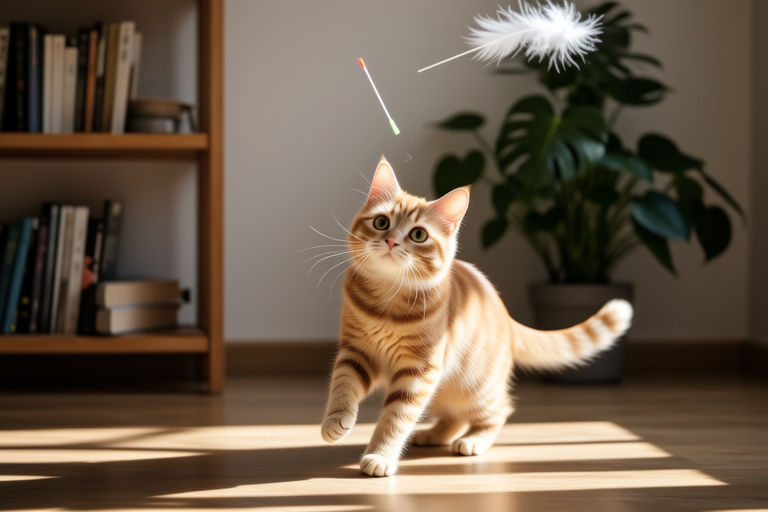
Orange Cats: Nature’s Perfect Combination of Playfulness and Grace
Orange cats have long been cherished for their striking appearance and captivating personalities. These feline beauties offer a perfect blend of playfulness and grace, making them a favorite among cat enthusiasts and potential pet owners alike. Their vibrant coats and charming demeanor bring a touch of sunshine into any home, while their sociable and adaptable nature ensures they fit seamlessly into family life. This article delves into the unique traits of orange cats, exploring their playful and graceful nature, behavior, temperament, and physical attributes. We will also examine the historical and genetic factors that contribute to their distinctive orange coat, providing a comprehensive understanding of these beloved felines.
The Playful Side of Orange Cats
One of the most endearing qualities of orange cats is their playful nature. These cats are often found engaging in various forms of play, from chasing toys to pouncing on imaginary prey. Their energy levels can be quite high, especially during the younger years, but this doesn’t mean they are hyperactive. Instead, their playfulness is a reflection of their curiosity and love for exploration.
Studies have shown that orange cats tend to be more interactive with their human companions compared to other breeds. They enjoy playing fetch, which involves throwing a toy and waiting for it to be returned. This game not only provides entertainment for both the cat and its owner but also strengthens the bond between them. Orange cats are also known for their ability to learn tricks, such as sitting up or shaking paws, further showcasing their intelligence and willingness to engage with their environment.
Anecdotes from cat owners reveal that orange cats often form close bonds with their families, particularly children. Their playful nature makes them excellent companions for young ones, teaching them about responsibility and care. One such story comes from Sarah, who adopted an orange kitten named Whiskers. “Whiskers has brought so much joy to our family,” she says. “He loves to play hide-and-seek with my son, and his playful antics never fail to make us laugh.”
The Graceful Aspect of Orange Cats
While orange cats are playful, they are also known for their elegance and grace. These cats move with a fluidity and poise that is both mesmerizing and captivating. Their sleek bodies and long legs give them an almost regal appearance, making them stand out in any setting.
Gracefulness in orange cats is not limited to their physical movements; it extends to their interactions with others as well. They are often gentle and patient, even when faced with challenging situations. This trait is particularly evident when they are around small children or other pets. Their calm demeanor helps to create a harmonious household, ensuring that everyone feels comfortable and secure.
Many cat owners have observed that orange cats possess a certain level of self-awareness, which contributes to their graceful nature. They seem to understand their surroundings and adjust their behavior accordingly. For instance, they may choose to walk gracefully over obstacles rather than knocking them over, or they might avoid startling others by moving quietly. This self-awareness makes them delightful companions and adds to their charm.
Behavior and Temperament
Orange cats are generally friendly and affectionate, making them ideal pets for those looking for a loving companion. They are known to seek out human attention and often follow their owners around the house, wanting to be involved in every activity. This behavior stems from their desire for social interaction and their need to feel connected to their human family.
Their temperament is often described as calm and easygoing, which makes them suitable for households with children or other pets. However, like all cats, orange cats have individual personalities, and some may be more independent than others. It’s important to provide them with plenty of stimulation and playtime to keep them happy and engaged.
Orange cats are also known for their adaptability, which is a valuable trait for any pet. Whether you live in a small apartment or a large house, orange cats can thrive in various environments. They are quick to adjust to new routines and changes, making them an excellent choice for busy households or those with frequent visitors. Their adaptability also means they can easily integrate into multi-pet households, provided they are introduced properly and given time to acclimate.
Physical Attributes
The most striking feature of orange cats is, of course, their coat color. The genetics behind their orange fur are fascinating and involve the interaction of several genes. The primary gene responsible for producing orange fur is called the O gene, which controls the production of red pigments in the skin and hair. When this gene is present, it results in the characteristic orange coat that we see in many cat breeds.
Orange cats come in a variety of shades, ranging from light creams to deep oranges. Some orange cats may even have white markings or patches, adding to their uniqueness. The intensity of the orange color can vary depending on the breed and individual genetics. For example, the orange tabby pattern is one of the most common variations, characterized by bold stripes and spots against the orange background.
In addition to their vibrant coats, orange cats are known for their large, expressive eyes, typically green or gold in color. These eyes add to their charm and make them appear even more captivating. Their ears are often wide-set and pointed, giving them a keen sense of hearing. Orange cats also have strong, muscular bodies, which contribute to their agility and grace. Their long tails are used for balance and communication, swishing back and forth to express their emotions.
Historical and Genetic Factors
The history of orange cats dates back thousands of years, with evidence of their existence in ancient Egypt. These felines were highly valued for their hunting abilities and were often kept as companions by royalty and commoners alike. Over time, orange cats spread throughout Europe and eventually made their way to North America, where they became popular pets.
The genetic factors that contribute to the orange coat have been studied extensively by researchers. It has been found that the O gene is sex-linked, meaning it is located on the X chromosome. As a result, orange cats are predominantly male, as males have one X and one Y chromosome, while females have two X chromosomes. This genetic distribution explains why there are more orange male cats than female cats.
Despite being predominantly male, orange cats can also be found in female form, though less commonly. When a female inherits the O gene from both parents, she will have an orange coat. In rare cases, a female may carry the O gene on one X chromosome and another color gene on the other, resulting in a tortoiseshell or calico coat. These variations add to the diversity and beauty of orange cats.
Bringing Joy to Households
Orange cats have a unique ability to bring joy and happiness to the homes they inhabit. Their playful and graceful nature, combined with their friendly and affectionate temperament, makes them delightful companions for people of all ages. They have a way of brightening up even the gloomiest of days, offering comfort and companionship to their human families.
Research has shown that owning a pet, such as an orange cat, can have numerous health benefits. Studies have found that interacting with animals can reduce stress, lower blood pressure, and improve overall mental well-being. Orange cats, with their playful and affectionate nature, are particularly effective at providing emotional support and fostering a sense of belonging.
Whether you’re a seasoned cat lover or considering adopting your first feline friend, orange cats offer a perfect combination of playfulness and grace. Their unique traits and characteristics make them a joy to be around, and their adaptability ensures they can fit into any household. By understanding the special qualities of orange cats, potential owners can better appreciate the companionship and happiness these beautiful creatures bring into their lives.
