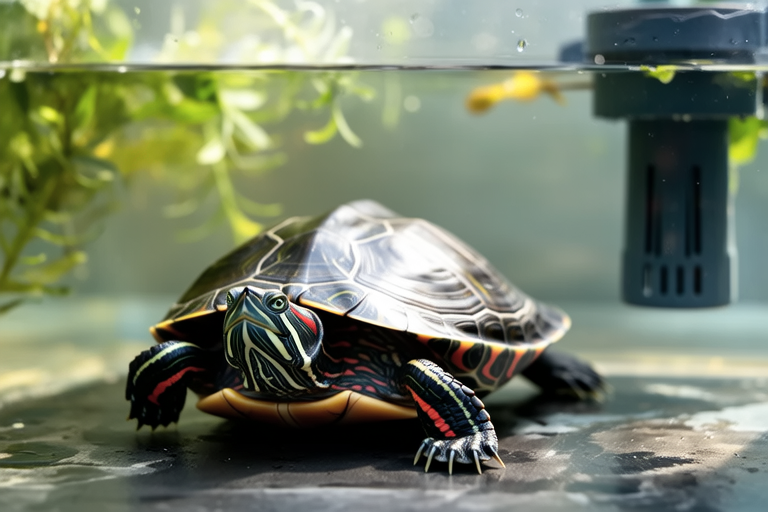
How to Care for Your Red-Eared Slider Like a Pro
Introduction
Welcome to the world of red-eared slider care! Red-eared sliders (Trachemys scripta elegans) are one of the most popular pet turtles due to their attractive appearance and relatively low maintenance requirements. However, providing them with the right care can be challenging. This guide will help you understand how to care for your red-eared slider like a pro, ensuring they live long, healthy lives.
Essential Habitat Setup
Water Quality
Red-eared sliders are semi-aquatic, spending a significant portion of their time in water. Maintaining high water quality is crucial for their health. Use a filtration system that is appropriate for the size of your tank. The filter should be capable of processing at least four times the volume of water per hour. Regularly check and clean the filter to prevent the buildup of harmful bacteria and debris.
Temperature
Temperature control is vital for your turtle’s metabolism and overall health. Water temperatures should range between 75°F and 80°F (24°C to 27°C). A submersible heater can maintain these temperatures. It’s important to monitor the temperature closely, especially during seasonal changes or if there are power outages.
UV Lighting
UVB lighting is essential for calcium absorption and bone health. Provide a UVB lamp specifically designed for reptiles, positioned about 12 to 18 inches above the basking area. Ensure that the bulb is replaced every six months to maintain its effectiveness. A 10% to 12% UVB output is recommended for red-eared sliders.
Diet and Nutrition
A balanced diet is key to maintaining your turtle’s health. Offer a variety of foods to ensure they receive all necessary nutrients. Commercial turtle pellets form the base of their diet. Supplement with fresh vegetables such as leafy greens (kale, collard greens), carrots, and fruits (berries, apples). Occasionally, offer protein sources like earthworms, crickets, and commercial turtle sticks. Avoid feeding them iceberg lettuce or spinach, as these can cause nutritional imbalances.
Feed your turtle daily, but only as much as they can consume in 15 minutes. Overfeeding can lead to obesity and health issues. Provide a shallow dish of calcium supplements weekly to support shell and bone development.
Health Monitoring
Regular health checks are vital. Observe your turtle’s behavior, appetite, and physical condition daily. Look for signs of lethargy, difficulty swimming, or refusal to eat, which may indicate illness. Clean their enclosure regularly to prevent bacterial growth and reduce the risk of infections.
Consult a veterinarian who specializes in reptiles if you notice any unusual symptoms. Early intervention can prevent minor issues from becoming serious problems.
Common Diseases and Treatments
Mouth Rot
Mouth rot, also known as stomatitis, is characterized by swelling, pus, and discoloration around the mouth. It’s often caused by poor hygiene or trauma. Treatment involves cleaning the affected area with a diluted povidone-iodine solution and addressing the underlying cause. Consult a vet for proper treatment.
Shell Rot
Shell rot results from bacterial or fungal infections. Symptoms include soft spots, discoloration, and foul odors. Maintain clean water and provide a balanced diet to prevent this condition. If detected, seek veterinary assistance immediately.
Respiratory Infections
Respiratory infections manifest as wheezing, nasal discharge, and lethargy. They are usually caused by cold temperatures or poor water quality. Increase the water temperature and improve water conditions. Veterinary intervention may be necessary.
Handling Tips
Handle your turtle gently and infrequently to avoid stress. Wash your hands before and after handling to prevent the spread of bacteria. Be cautious of their sharp claws and powerful jaws. Support their body fully, avoiding lifting them by their limbs or tail.
Never pick up a turtle by the shell alone. Always use both hands to support their entire body. Allow them time to adjust to being handled and avoid sudden movements.
Creating an Enriching Environment
Provide a stimulating environment to keep your turtle active and engaged. Include various hiding spots, floating logs, and plants within the tank. These elements encourage natural behaviors and reduce stress. Rotate toys and decorations periodically to maintain interest.
For advanced owners, consider adding a small pool or pond outside during warmer months. This provides additional space for swimming and sunbathing. Ensure the outdoor enclosure is secure and protected from predators.
Conclusion
Caring for a red-eared slider requires dedication and attention to detail. By setting up an optimal habitat, providing a balanced diet, monitoring health, and creating an enriching environment, you can ensure your turtle thrives. Whether you’re a beginner or an experienced owner, following these guidelines will help you care for your red-eared slider like a pro.
