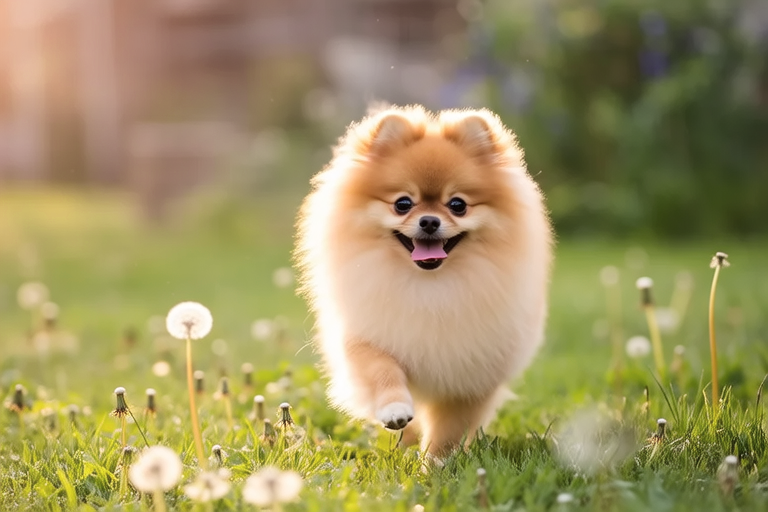
How To Raise a Happy and Healthy Pomeranian: Expert Tips
Raising a happy and healthy Pomeranian requires more than just love; it involves understanding their specific needs in terms of nutrition, exercise, grooming, health, socialization, and environmental enrichment. This guide provides expert tips on how to ensure your Pomeranian lives a long, fulfilling life.
Nutrition Tailored for Pomeranians
The nutritional requirements of a Pomeranian can vary based on age, activity level, and overall health. It’s crucial to feed them high-quality dog food that meets these needs. Look for food with high-quality protein as the primary ingredient, which supports muscle growth and repair. Avoid foods with fillers or artificial preservatives, as they offer little nutritional value and may lead to obesity or other health issues.
Pomeranians are prone to dental problems, so feeding them dry kibble can help keep their teeth clean. Additionally, consider incorporating raw bones into their diet under supervision, as this can promote good dental health and provide mental stimulation. Always consult with your veterinarian about the best diet for your pet.
Exercise Routines Suitable for Their Size
Pomeranians are small but energetic dogs that need regular physical activity to maintain a healthy weight and prevent behavioral issues. Despite their small stature, they require daily exercise to stay fit and mentally stimulated. Short walks around the neighborhood or in a safe area can be beneficial, but it’s important to avoid overexertion due to their size.
In addition to walking, interactive play sessions indoors or in a secure outdoor space are excellent ways to engage your Pomeranian. Toys that encourage problem-solving, such as puzzle feeders, can also help stimulate their minds while keeping them active. Remember, the key is consistency and variety in their exercise routine.
Essential Grooming Practices
Grooming is an essential part of maintaining a Pomeranian’s health and appearance. Regular brushing helps prevent matting and removes loose hair, reducing shedding inside your home. Aim to brush your Pomeranian at least three times a week, more frequently during shedding seasons.
Bathing your Pomeranian every six to eight weeks is usually sufficient unless they get dirty. Use a mild dog shampoo and rinse thoroughly to avoid skin irritation. Additionally, trimming their nails monthly and checking their ears weekly for signs of infection or debris is crucial. Proper grooming not only keeps your Pomeranian looking great but also helps you monitor their overall health.
Common Health Issues and Preventative Measures
Pomeranians are generally healthy dogs, but they are prone to certain health conditions. One of the most common issues is patellar luxation, where the kneecap slips out of place. Early detection and treatment through surgery can help manage this condition. Another concern is hypothyroidism, which can cause weight gain, lethargy, and skin problems. Regular veterinary check-ups and blood tests can help catch these issues early.
Preventive care is vital in maintaining your Pomeranian’s health. Vaccinations against common diseases, heartworm prevention, and flea/tick treatments are necessary. Dental hygiene is also critical, as poor dental health can lead to systemic infections. Regular dental cleanings and providing appropriate chew toys can help prevent these problems.
Tips for Socialization and Training
Socializing your Pomeranian from a young age is crucial for developing well-adjusted behavior. Expose them to various people, animals, environments, and situations to build confidence and reduce fear-based aggression. Positive reinforcement training methods, such as treats and praise, work best for Pomeranians. Avoid harsh corrections, as they can cause stress and anxiety.
Basic commands like ‘sit’, ‘stay’, ‘come’, and ‘leave it’ are essential for safety and control. Consistency and patience are key when training your Pomeranian. Short, frequent training sessions are more effective than long, infrequent ones. Reward good behavior immediately to reinforce desired actions. With proper training, your Pomeranian will become a well-behaved companion.
Advice on Providing a Stimulating Environment
To keep your Pomeranian mentally and physically engaged, provide them with a stimulating environment. Interactive toys that challenge their problem-solving skills, such as treat-dispensing puzzles, are great options. Rotate toys regularly to keep things interesting. Consider creating an obstacle course in your backyard or living room for added fun and exercise.
Environmental enrichment can also include introducing new smells, sounds, and textures. Safe exploration opportunities, like supervised visits to dog parks or hiking trails, can be beneficial. However, always ensure safety by supervising your Pomeranian and avoiding areas with potential hazards.
