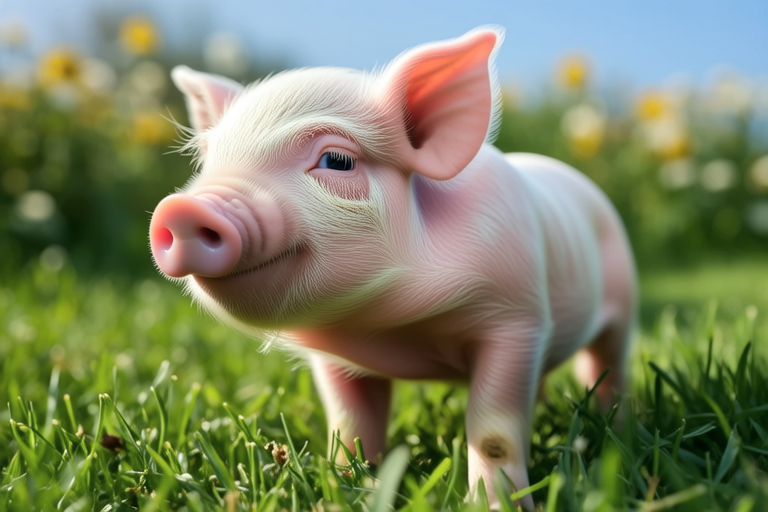
How Mini Pigs Are Becoming the New Pet Trend
Introduction
Mini pigs, once considered exotic pets, have steadily risen in popularity as household companions. These pint-sized animals offer a unique blend of intelligence, affection, and adaptability that sets them apart from traditional pets like dogs and cats. Despite their small stature, they pack a lot of personality, making them an appealing choice for many pet lovers.
Understanding Mini Pigs: Size, Temperament, and Characteristics
Mini pigs, also known as teacup, micro, or pot-bellied pigs, are smaller breeds of domesticated pigs. Contrary to popular belief, these pigs can vary significantly in size. While some may grow to be as large as 75 pounds, others can stay relatively petite, weighing between 30 to 50 pounds. Their temperament is often described as curious, playful, and affectionate, similar to dogs. They are highly intelligent, capable of learning tricks and commands, and form strong bonds with their owners.
One of the most striking features of mini pigs is their expressive faces. With eyes that seem to convey emotions and ears that move independently, they can communicate in ways that captivate their human companions. Unlike larger pigs, mini pigs are generally more manageable indoors, making them suitable for apartment living.
The Growing Popularity of Mini Pigs
The rise of mini pigs as household companions can be attributed to several factors. Urban living has become more prevalent, and many city dwellers seek pets that don’t require large yards. Mini pigs, being adaptable, thrive in indoor environments when provided with the right conditions. Social media platforms have also played a significant role in popularizing these pets. Cute videos and photos of mini pigs interacting with their owners have gone viral, sparking interest among potential pet owners.
Another factor contributing to the trend is the misconception that mini pigs are low-maintenance pets. Many people assume that because they are small, they will be easy to care for. However, it’s important to dispel the myth that mini pigs are less intelligent than larger breeds. In reality, they are highly intelligent and require mental stimulation to prevent boredom and behavioral issues.
Owning a Mini Pig: Responsibilities and Care
Before adopting a mini pig, it’s crucial to understand the responsibilities involved. Mini pigs need regular exercise, mental stimulation, and social interaction. Daily walks are essential for their physical health, while puzzle toys and training sessions help keep their minds sharp. Proper grooming is necessary, including nail trimming and ear cleaning.
Diet plays a critical role in maintaining a mini pig’s health. A balanced diet consisting of high-quality pig feed, vegetables, and fruits is recommended. Avoid feeding them excessive amounts of treats or human food, as this can lead to obesity and related health problems. Regular veterinary check-ups are also important to ensure their well-being.
Space requirements are another consideration. While mini pigs can live indoors, they need a designated area for sleeping and playing. This area should be comfortable, safe, and free from hazards. Outdoor access is beneficial but must be supervised, as mini pigs can get into mischief if left unsupervised.
Common Challenges of Mini Pig Ownership
Despite their appeal, owning a mini pig comes with its share of challenges. One of the biggest challenges is potty training. While some mini pigs can be trained to use a litter box, it’s not always successful. Patience and consistency are key when addressing this issue. Another challenge is ensuring they receive adequate mental and physical stimulation. Boredom can lead to destructive behaviors, so providing toys and activities is essential.
Health issues are another concern. Mini pigs are prone to certain health problems, including respiratory infections, skin conditions, and dental issues. Regular vet visits and proper hygiene practices can help mitigate these risks. Additionally, spaying or neutering is recommended to prevent hormonal-related behaviors and health issues.
Expert Opinions and Owner Anecdotes
To gain insights into the rewarding aspects of mini pig ownership, we spoke with several experts and current owners. Dr. Sarah Thompson, a veterinarian specializing in exotic pets, emphasizes the importance of understanding the unique needs of mini pigs. “Mini pigs are incredibly intelligent and require a lot of attention and care,” she says. “However, the bond you form with them can be truly special.”
Owner Jane Doe shares her experience with her mini pig, Max. “Max is the most loving and loyal companion I’ve ever had,” she says. “He follows me around the house and loves to cuddle. While he can be mischievous at times, his antics bring joy to our lives. The most rewarding part is knowing how much he loves and trusts us.”
Another owner, John Smith, highlights the importance of community support. “Joining a mini pig owner group was invaluable,” he says. “We share tips, advice, and resources that have helped us through various challenges. It’s comforting to know there’s a supportive network out there.”
Conclusion
Mini pigs are undeniably becoming a new pet trend, capturing the hearts of many pet lovers. Their intelligence, affectionate nature, and adaptability make them ideal companions for those seeking a unique pet experience. However, it’s essential to approach mini pig ownership with realistic expectations and a commitment to their care. By understanding the responsibilities involved and seeking support from experienced owners and professionals, potential pet owners can ensure a rewarding and fulfilling relationship with their mini pig.
