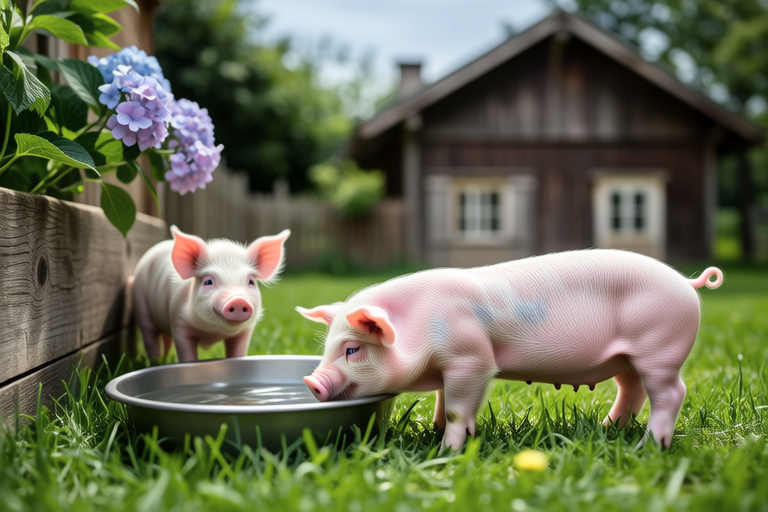
Mini Pigs: The Surprising Pet Trend Taking Over Backyards
Welcome to the world of mini pigs, an unexpected pet trend that’s rapidly gaining popularity across backyards. These pint-sized porcines, often mistaken for oversized dogs or miniature versions of their larger counterparts, have captured the hearts of many pet lovers. With their charming personalities and unique needs, mini pigs are fast becoming a favorite among animal enthusiasts.
The Origins of Mini Pigs
Mini pigs trace their roots back to the early 20th century when breeders began selectively breeding smaller individuals from various pig breeds. The resulting animals were significantly smaller than standard farm pigs, making them more manageable for urban and suburban settings. Today, there are several recognized breeds of mini pigs, each with its own distinct characteristics.
Why Mini Pigs Are Becoming Backyard Favorites
Mini pigs offer a delightful blend of intelligence, affection, and adaptability. Their compact size makes them ideal for smaller living spaces, yet they still retain the social nature that pigs are known for. They thrive on companionship and can form strong bonds with their human families. Additionally, mini pigs are clean animals, typically spending considerable time grooming themselves, which reduces the need for frequent baths.
Size and Temperament
One of the most appealing aspects of mini pigs is their size. While they may be small compared to full-grown farm pigs, mini pigs can still grow to weigh between 50 to 300 pounds, depending on the breed. Despite their size, they are surprisingly agile and can navigate through tight spaces with ease. Their temperament is generally calm and gentle, though individual personalities can vary.
Dietary Needs
Proper nutrition is crucial for the health and well-being of mini pigs. A balanced diet should include high-quality commercial pig feed, supplemented with fresh vegetables and fruits. It’s important to avoid feeding mini pigs table scraps, as these can lead to obesity and other health issues. Owners should consult with a veterinarian to create a customized feeding plan that meets their pig’s specific nutritional needs.
Exercise Requirements
Like all animals, mini pigs require regular exercise to maintain good health. Providing ample space for them to roam and play is essential. This can be achieved through daily walks or allowing them access to a securely fenced area where they can explore and engage in natural behaviors such as rooting and foraging. Mental stimulation is also vital, so consider providing toys or puzzles designed specifically for pigs.
Common Misconceptions About Keeping Mini Pigs as Pets
Despite their growing popularity, there are several misconceptions surrounding mini pigs as pets. One common myth is that they remain tiny throughout their lives. In reality, while mini pigs are much smaller than traditional farm pigs, they can still reach substantial sizes. Another misconception is that they are low-maintenance pets. While mini pigs can be relatively easy to care for, they do require attention to their dietary, exercise, and social needs.
Tips for Potential Owners
Housing
When it comes to housing, mini pigs benefit from a spacious, secure environment. An outdoor pen with proper shelter is ideal, but indoor living is also possible if you have the right setup. Ensure the living space is free from hazards and provides enough room for your pig to move around comfortably. Additionally, consider installing a heated mat or blanket for colder months.
Grooming
Grooming mini pigs is relatively straightforward. Regular brushing helps keep their coat healthy and free from debris. Trimming their nails and cleaning their ears are also part of routine care. Bathing should be kept to a minimum, as pigs naturally clean themselves and excessive bathing can strip their skin of essential oils.
Health Care
Regular veterinary check-ups are crucial for maintaining your mini pig’s health. Common health issues include obesity, dental problems, and parasites. Preventative measures such as vaccinations and deworming should be part of your routine care regimen. Early detection and treatment of any health concerns can help ensure a long and happy life for your pig.
Insights from Current Owners
To gain further insight into what it’s like to live with a mini pig, we spoke with several owners who shared their experiences and advice for those considering adopting one. Sarah Johnson, who has owned her mini pig, Daisy, for three years, emphasizes the importance of understanding the commitment involved. “Mini pigs are incredibly rewarding pets,” she says, “but they require a lot of patience and dedication.”
Another owner, Mark Thompson, highlights the joy his mini pig, Charlie, brings to his family. “Charlie has become an integral part of our household,” he explains. “He’s always up for a game of fetch and loves to cuddle.” Both Sarah and Mark stress the significance of proper training and socialization from an early age to ensure a well-behaved and happy pet.
As mini pigs continue to capture the hearts of pet lovers, it’s clear that they bring more than just novelty to their homes. With their unique combination of intelligence, affection, and adaptability, mini pigs offer a truly enriching experience for those willing to commit to their care. Whether you’re a seasoned pet owner or new to the world of pigs, the journey with a mini pig promises to be filled with love, laughter, and unforgettable moments.
