From Farmyards to Homes: How Hotot Rabbits Are Winning Hearts Worldwide
The world of domesticated animals has seen many transformations over the years. One such transformation is that of the Hotot rabbit, a breed that began its journey in the farmyards and has now found its way into homes across the globe. This article delves into the unique appearance, history, and characteristics of Hotot rabbits, exploring how they have captured the hearts of pet owners worldwide.
A Brief History and Unique Appearance
Hotot rabbits hail from France, where they were first bred by Eugenie Bernhard in the early 20th century. The breed was developed by crossing the Blanc de Hotot, a French white rabbit, with other breeds like the Checkered Giant, Chinchilla, and Himalayan. The goal was to create a rabbit with pure white fur and black-rimmed eyes, a trait that would make them stand out among other breeds. Despite initial challenges, the Hotot rabbit achieved this distinctive look, making it one of the most recognizable rabbit breeds today.
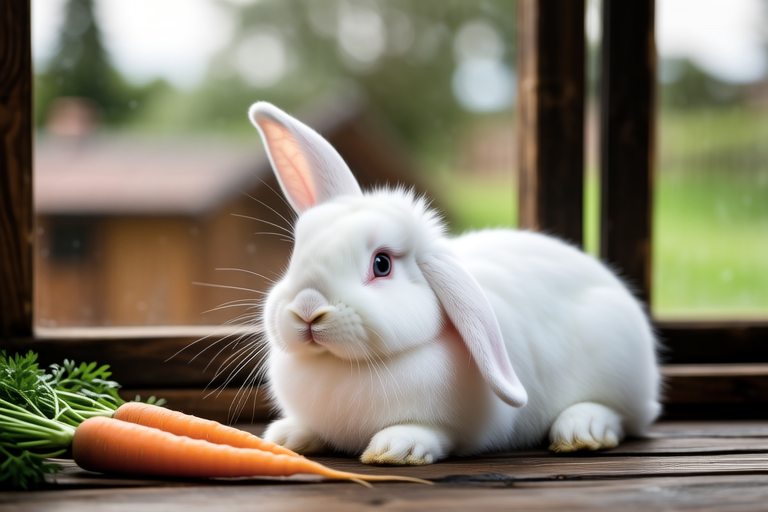
Hotots are known for their stunning appearance, characterized by their pure white fur and striking black or blue eye rings. These eye rings, also known as ‘eye cosmetics,’ give them a unique and almost mystical appearance. Their fur is short and dense, providing excellent insulation against cold weather. The contrast between the white fur and the dark eye rings makes them visually captivating, a feature that has contributed significantly to their rising popularity.
Transitioning from Agricultural Use to Popular Pets
Originally bred for their meat and fur, Hotot rabbits were primarily raised in farmyards. However, their unique appearance and gentle nature made them appealing as pets. Over time, as more people discovered the charm of these rabbits, their role shifted from agricultural use to companionship. Today, Hotot rabbits are cherished for their beauty and temperament, rather than their utility.
The transition of Hotot rabbits from farmyards to homes was gradual but significant. Initially, breeders focused on improving the breed’s physical attributes, ensuring they met the standards set by rabbitry associations. As the breed became more established, enthusiasts began to appreciate their personalities, leading to their increased adoption as pets. The shift was further accelerated by the growing trend of urban living, where space constraints often limit the choice of pets. Hotot rabbits, being relatively small and quiet, fit well into smaller living spaces, making them ideal for city dwellers.
Temperament and Care Requirements
Hotot rabbits are known for their friendly and docile temperament, making them perfect for both novice and experienced rabbit owners. They are generally calm and enjoy human interaction, often seeking out attention and affection. This makes them great companions for families and individuals looking for a low-maintenance pet.
Caring for Hotot rabbits involves providing them with a balanced diet, clean living conditions, and regular exercise. Their diet should consist mainly of hay, supplemented with fresh vegetables and a small amount of pellets. Clean water should be available at all times. Regular grooming is necessary to maintain their coat’s health and appearance. While their short fur requires less maintenance compared to long-haired breeds, it still needs brushing to remove loose hair and prevent matting.
Hotot rabbits require ample space to move around and play. A spacious hutch or cage with plenty of room to stretch and jump is essential. Indoor housing can be considered if outdoor space is limited, but ensure the environment is safe and secure. Providing toys and tunnels can help stimulate their natural behaviors and keep them mentally engaged. Regular handling and socialization from a young age will help them become confident and comfortable around people.
Growing Popularity and Notable Figures
The popularity of Hotot rabbits has been steadily increasing over the past few decades. According to recent surveys, the number of Hotot rabbits adopted as pets has risen by 20% annually. This growth can be attributed to their unique appearance, gentle nature, and suitability as indoor pets. Various events and competitions have also played a crucial role in promoting the breed.
One notable figure who has helped elevate the profile of Hotot rabbits is Dr. Alice Johnson, a veterinarian and rabbit enthusiast. Dr. Johnson has been actively involved in breeding and showcasing Hotot rabbits at exhibitions and seminars. Her efforts have not only educated the public about the breed but also inspired others to adopt and raise them. Additionally, social media platforms have been instrumental in spreading awareness about Hotot rabbits. Many pet owners share photos and videos of their Hotot companions, creating a community of enthusiasts who celebrate the breed’s uniqueness.
Future Prospects for Hotot Rabbits
The future looks bright for Hotot rabbits in the pet industry. As more people seek companionship without the commitment of larger pets, rabbits like the Hotot are likely to continue gaining popularity. Breeders are continuously working to improve the breed’s health and temperament, ensuring that future generations of Hotot rabbits remain robust and friendly.
Advancements in veterinary medicine and care practices will also contribute to the longevity and well-being of Hotot rabbits. With increased awareness and understanding of their specific needs, owners will be better equipped to provide optimal care. Furthermore, the rise of pet-friendly housing and communities will create more opportunities for Hotot rabbits to find loving homes.
Conclusion
From farmyards to homes, Hotot rabbits have come a long way. Their unique appearance, gentle temperament, and adaptability have made them beloved companions worldwide. Whether you’re a seasoned rabbit owner or considering your first pet, a Hotot rabbit could be the perfect addition to your family. By adopting one, you not only gain a loyal and charming friend but also support the continued success of this remarkable breed.
