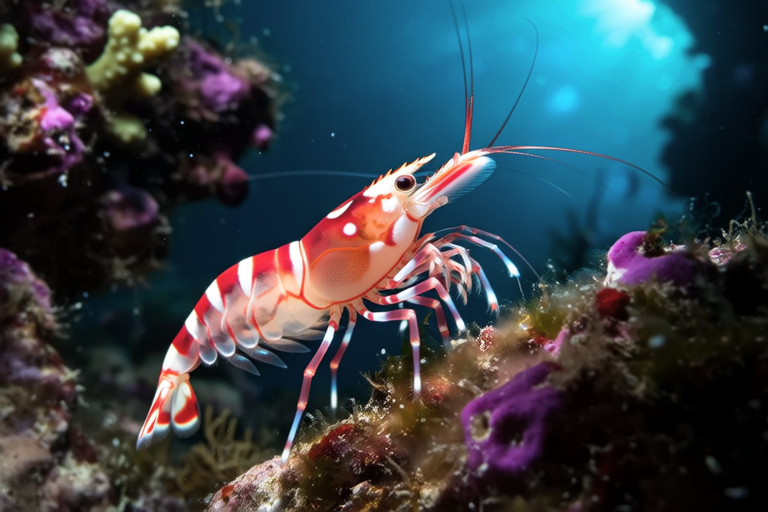
The Surprising Benefits of Adding Coral Shrimp to Your Marine Tank
As marine aquariums continue to grow in popularity, so does the variety of creatures that can be added to enhance both the beauty and functionality of these underwater ecosystems. Among the latest trends is the addition of coral shrimp, small yet mighty inhabitants that offer a plethora of benefits to the marine tank. These tiny crustaceans have become increasingly popular among aquarists for their unique cleaning habits, positive interactions with corals, and overall contribution to maintaining a healthy and vibrant reef system.
The Growing Popularity of Coral Shrimp
Coral shrimp, also known as Stenopus hispidus
, are small, colorful crustaceans that have been gaining attention in the marine aquarium hobby due to their striking appearance and beneficial behaviors. Their vibrant red and white hues make them a standout addition to any tank, while their ability to clean algae and detritus from corals and rocks provides essential maintenance services. As more aquarists seek to create balanced and thriving ecosystems within their tanks, coral shrimp have emerged as an ideal choice for those looking to enhance their reef setups. One of the primary reasons coral shrimp are sought after is their diligent cleaning habits. These tiny cleaners work tirelessly to consume algae and detritus, which are often overlooked but can significantly impact water quality if left unchecked. By keeping surfaces clean, coral shrimp help prevent the buildup of harmful substances that could otherwise lead to poor water conditions and negatively affect other tank inhabitants. Additionally, their presence can reduce the need for frequent manual cleanings, saving time and effort for the aquarist. Algae and detritus are common issues in marine tanks, and without proper management, they can lead to unsightly growth and even health problems for corals and fish. Coral shrimp actively graze on these unwanted elements, ensuring that the tank remains visually appealing and biologically sound. This constant cleaning activity not only improves water clarity but also promotes better gas exchange and nutrient cycling within the tank. Another significant advantage of adding coral shrimp to your marine tank is their positive interaction with corals. These shrimp have a symbiotic relationship with certain species of soft and stony corals, helping to maintain their health and appearance. By removing debris and excess mucus from the coral’s surface, coral shrimp contribute to the overall well-being of the reef system. This interaction not only enhances the visual appeal of the corals but also supports their growth and resilience against environmental stressors. Furthermore, coral shrimp play a crucial role in preventing the spread of diseases within the tank. By keeping corals clean, they help prevent the accumulation of harmful bacteria and parasites that could otherwise compromise the health of the entire reef system. Their presence can thus serve as a natural deterrent against potential outbreaks, making them an invaluable asset to any marine tank. To ensure the success of coral shrimp in your marine tank, it is essential to understand their specific care requirements and preferences. Coral shrimp thrive in well-established reef tanks with stable water parameters, including a salinity level of approximately 1.023 to 1.025, a pH range of 8.1 to 8.4, and a temperature between 75°F and 82°F (24°C to 28°C). Maintaining these optimal conditions is crucial for the health and longevity of the shrimp. In terms of tankmates, coral shrimp generally get along well with peaceful fish and invertebrates, such as clownfish, gobies, and hermit crabs. However, caution should be exercised when introducing larger or more aggressive species, as they may pose a threat to the shrimp. It is advisable to research compatibility before adding new inhabitants to the tank to avoid any conflicts or stress. While coral shrimp are relatively hardy creatures, there are several common mistakes that aquarists should avoid to ensure their success in the tank. One of the most frequent errors is overstocking the tank with too many shrimp, which can lead to competition for food and space. It is recommended to start with a smaller number of shrimp and gradually increase their population based on the tank’s capacity and the shrimp’s behavior. Another mistake is neglecting the importance of a varied diet. While coral shrimp are primarily scavengers, providing them with supplemental feedings can enhance their health and vitality. High-quality frozen foods, such as mysis shrimp or brine shrimp, can be offered to ensure they receive adequate nutrition. Additionally, avoiding the introduction of harmful chemicals or medications is crucial, as these can be toxic to the shrimp and disrupt the delicate balance of the tank. For new aquarists looking to integrate coral shrimp into their marine setups, there are several key tips to keep in mind. First and foremost, it is essential to establish a stable and mature tank environment before introducing the shrimp. This will provide them with a safe and welcoming habitat, increasing their chances of survival and adaptation. When introducing coral shrimp to the tank, it is advisable to acclimate them slowly to the new environment. This can be done by floating the shrimp’s bag in the tank for about 15-20 minutes, allowing the water temperature to equalize. Afterward, gradually mix small amounts of tank water into the shrimp’s bag over the course of another 15-20 minutes. Once the shrimp are fully acclimated, gently release them into the tank, ensuring that they have ample hiding spots and food sources available. Observing the behavior of coral shrimp in action can be a rewarding experience for any aquarist. Watching them clean corals and rocks, interact with other tank inhabitants, and thrive in their new environment can bring immense satisfaction. With proper care and attention, coral shrimp can become cherished members of any marine tank, contributing to its overall health and beauty.Cleaning Habits and Water Quality Maintenance
Positive Interactions with Corals
Care Requirements and Suitable Tankmates
Common Mistakes to Avoid
Tips for New Aquarists
