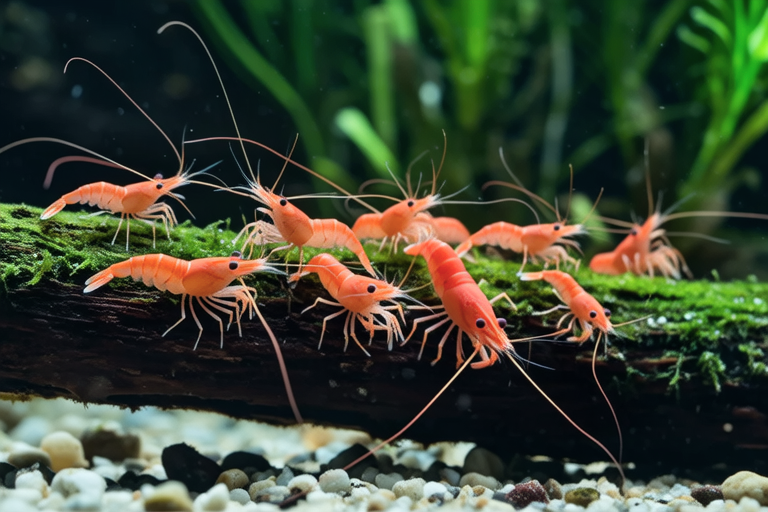
How Keeping Coral Shrimp Can Transform Your Tank’s Ecosystem
Coral shrimp are a fascinating addition to any saltwater aquarium. These tiny creatures play a crucial role in maintaining the health and balance of your tank’s ecosystem. Their unique characteristics make them ideal for both beginner and experienced aquarists. This article will delve into the benefits and responsibilities of keeping coral shrimp, their dietary habits, suitable tank conditions, compatibility with other species, and tips for successful integration.
The Role of Coral Shrimp in Maintaining Tank Cleanliness
Coral shrimp are natural cleaners, feeding on algae, detritus, and uneaten food. By consuming these waste materials, they help maintain water quality and reduce the likelihood of harmful bacteria growth. This cleaning behavior is particularly beneficial for reef tanks, where maintaining pristine water conditions is essential for the survival of corals and other delicate organisms.
Dietary Habits of Coral Shrimp
Coral shrimp are omnivorous, meaning they consume both plant and animal matter. In the wild, their diet consists of algae, small crustaceans, and organic debris. In captivity, they can be fed a variety of foods, including blanched vegetables, algae wafers, and high-quality commercial shrimp pellets. It is important to offer a balanced diet to ensure optimal health and longevity.
Suitable Tank Conditions for Coral Shrimp
To thrive, coral shrimp require specific tank conditions. They prefer water temperatures between 72-78°F (22-26°C) and a salinity level of 1.023-1.025 specific gravity. The pH should be maintained at 8.1-8.4, and ammonia and nitrite levels should be kept at zero. Regular water changes and proper filtration are essential for maintaining these parameters.
Compatibility with Other Species
Coral shrimp are generally peaceful and can coexist with a wide range of tank mates. However, it is important to consider the size and temperament of potential companions. Larger or more aggressive fish may prey on coral shrimp, so it is advisable to house them with smaller, non-aggressive species. Some suitable tankmates include clownfish, gobies, and small wrasses. Additionally, coral shrimp can be kept with various invertebrates, such as hermit crabs and starfish.
Tips for Successful Integration
Introducing coral shrimp to your tank requires careful planning and execution. To minimize stress and promote adaptation, follow these steps:
- Gradually acclimate the shrimp to your tank’s water conditions by floating the bag in the aquarium for 15-20 minutes before release.
- Ensure that there is sufficient hiding space, such as rockwork or live rock, to provide shelter and reduce stress.
- Monitor the shrimp closely during the first few weeks to ensure they are adapting well to their new environment.
Aesthetic Appeal and Ecological Contributions
Coral shrimp contribute not only to the health of your tank but also to its visual appeal. Their vibrant colors and graceful movements add a dynamic element to any aquarium. Many species exhibit striking patterns and hues, making them a visually pleasing addition to your tank. Furthermore, their presence highlights the diversity and complexity of marine ecosystems, inspiring a deeper appreciation for the underwater world.
Advice for Beginners and Advanced Aquarists Alike
For beginners, starting with a small group of coral shrimp is recommended. This allows you to observe their behavior and become familiar with their care requirements. As you gain experience, you can gradually increase the number of shrimp in your tank. Advanced aquarists may choose to incorporate coral shrimp into more complex setups, such as biotope aquariums, where they can replicate specific marine environments.
Conclusion
Keeping coral shrimp can significantly enhance the health and beauty of your saltwater aquarium. By understanding their dietary needs, suitable tank conditions, and compatibility with other species, you can create a thriving ecosystem that supports the well-being of all inhabitants. Whether you are a novice or an experienced aquarist, incorporating coral shrimp into your tank is a rewarding and enriching endeavor.
