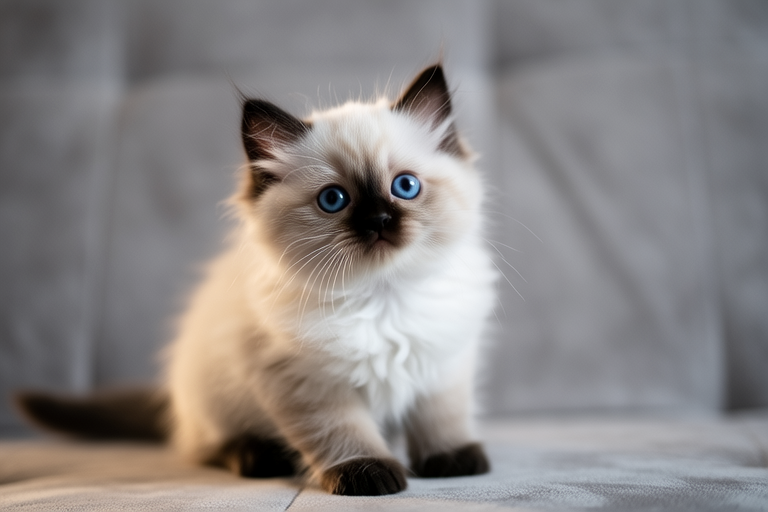
A Comprehensive Guide to Raising Ragdoll Kittens
Ragdoll kittens are known for their affectionate and docile nature, making them one of the most popular choices for pet lovers. Their striking blue eyes and plush coats add to their charm. However, raising a Ragdoll kitten requires careful attention to various aspects of their care, from selecting a healthy kitten to ensuring their long-term health and happiness. This guide provides an in-depth look at the essential elements of raising Ragdoll kittens, offering practical tips and expert insights for both new and experienced owners.
Initial Selection Process of a Healthy Ragdoll Kitten
Selecting the right Ragdoll kitten is crucial for ensuring your pet’s health and happiness. When choosing a kitten, it’s important to consider several factors, including the breeder’s reputation, the kitten’s temperament, and its overall health. Reputable breeders will provide you with a clean, well-maintained living environment for their kittens and will be transparent about their breeding practices. Additionally, they should offer health guarantees and be willing to answer any questions you may have.
When assessing a Ragdoll kitten’s temperament, look for signs of curiosity and friendliness. A healthy kitten should be active, playful, and eager to interact with humans. Avoid kittens that appear lethargic or overly aggressive. It’s also important to check the kitten’s physical condition. Healthy Ragdoll kittens should have clear, bright eyes, clean ears, and a full, shiny coat. Their gums should be pink, and their nose should be moist and cool to the touch. The kitten should also have a firm body and well-formed paws.
Proper Nutrition Tailored for Their Growth Stages
Proper nutrition is vital for the growth and development of Ragdoll kittens. During their first few weeks of life, Ragdoll kittens rely on their mother’s milk for nourishment. Once they reach about four to six weeks old, they can begin transitioning to solid food. Start by mixing a high-quality kitten formula with warm water to create a gruel-like consistency. Gradually increase the amount of dry food as the kitten grows more accustomed to eating solids.
Choose a kitten food that is specifically formulated for their age group and nutritional needs. Look for foods that are rich in protein, fat, and essential vitamins and minerals. As Ragdoll kittens grow older, you can switch to adult cat food, but always consult with your veterinarian before making any dietary changes. Feeding your kitten twice a day is generally sufficient, but always provide fresh water at all times. Avoid feeding your kitten table scraps or human food, as these can cause digestive upset and other health problems.
Effective Litter Box Training Techniques
Litter box training is an essential part of raising Ragdoll kittens. Most kittens will instinctively use a litter box, but it’s important to provide a clean, easily accessible box and encourage proper usage. Place the litter box in a quiet, private area of your home where the kitten can feel comfortable and undisturbed. Use a shallow litter box with low sides to make it easier for the kitten to enter and exit.
Fill the litter box with unscented, clumping litter, as some kittens may be sensitive to strong odors. Scoop the litter box daily and completely change the litter every week to maintain cleanliness. If your kitten has an accident outside the litter box, gently place them in the litter box after cleaning up the mess. Praise and reward your kitten when they use the litter box correctly. With patience and consistency, your Ragdoll kitten will quickly learn the proper way to use the litter box.
Recommended Grooming Practices
Ragdoll kittens have long, luxurious coats that require regular grooming to keep them looking their best and prevent matting. Brush your kitten’s coat at least once a week, using a soft-bristle brush or a slicker brush to remove loose hair and prevent tangles. Pay special attention to areas where mats tend to form, such as behind the ears and around the tail.
Bathe your Ragdoll kitten as needed, using a mild, kitten-safe shampoo. Be gentle when washing your kitten, and avoid getting water in their ears or eyes. Dry your kitten thoroughly after bathing to prevent chills. Regular nail trimming is also important to prevent overgrowth and potential injuries. Use sharp, blunt-nosed scissors or a nail clipper designed for cats, and trim only the tip of the nail to avoid cutting the quick, which can cause bleeding and pain. Consult with your veterinarian if you’re unsure about how to properly groom your Ragdoll kitten.
Socialization Tips to Ensure They Grow Into Well-Adjusted Pets
Socializing your Ragdoll kitten is essential for helping them become well-adjusted, confident pets. Early socialization helps kittens develop positive associations with people, other animals, and different environments. Begin socializing your kitten as soon as you bring them home, exposing them to various sights, sounds, and experiences in a controlled and positive manner.
Introduce your kitten to different types of people, including children, adults, and even those with disabilities. Encourage gentle handling and positive interactions to help your kitten become comfortable with human contact. Expose your kitten to other pets, such as dogs and cats, under supervised conditions. Gradually introduce them to different environments, such as car rides, outdoor spaces, and unfamiliar homes. Always ensure that your kitten feels safe and secure during socialization activities, and reward them with treats and praise for positive behavior.
Common Health Issues and Preventive Care
Ragdoll kittens are generally healthy, but like all breeds, they are prone to certain health issues. Hypertrophic cardiomyopathy (HCM), a heart disease, is one of the most common health concerns in Ragdolls. Regular veterinary check-ups, including heart screenings, can help detect HCM early and manage the condition effectively. Other health issues that may affect Ragdoll kittens include dental problems, urinary tract infections, and obesity.
To prevent health issues, it’s important to maintain a consistent vaccination schedule and follow your veterinarian’s recommendations for preventive care. Keep your kitten’s living environment clean and free of hazards, and provide regular opportunities for exercise and play. Monitor your kitten’s weight and adjust their diet as necessary to prevent obesity. Early detection and treatment of health issues can significantly improve your Ragdoll kitten’s quality of life and longevity.
Exercise Needs
Ragdoll kittens are naturally curious and playful, and providing them with ample opportunities for exercise and mental stimulation is essential for their overall well-being. Interactive toys, such as feather wands, laser pointers, and puzzle feeders, can help stimulate your kitten’s mind and keep them engaged. Rotate toys regularly to keep things interesting and prevent boredom.
Create a safe, enclosed space for your kitten to explore and play, such as a kitten-proof room or a designated play area. Provide scratching posts, tunnels, and climbing structures to encourage physical activity and promote healthy behaviors. Supervised outdoor time, if possible, can also be beneficial for your kitten’s development. Always ensure that your kitten is safely confined and protected from potential dangers, such as traffic, predators, and harmful substances.
Advice on Creating a Safe Environment at Home
Creating a safe environment for your Ragdoll kitten is essential for preventing accidents and injuries. Remove any toxic plants, chemicals, or small objects that could pose a choking hazard. Secure electrical cords and cover outlets to prevent chewing. Install childproof latches on cabinets and drawers to keep dangerous items out of reach.
Provide your kitten with a cozy, comfortable bed in a quiet area of your home. Ensure that your kitten has access to fresh water at all times, and consider placing multiple water bowls throughout your home for convenience. Establish a routine for feeding, playtime, and bedtime to help your kitten feel secure and establish good habits. By creating a safe and nurturing environment, you can help your Ragdoll kitten thrive and grow into a happy, healthy adult cat.
