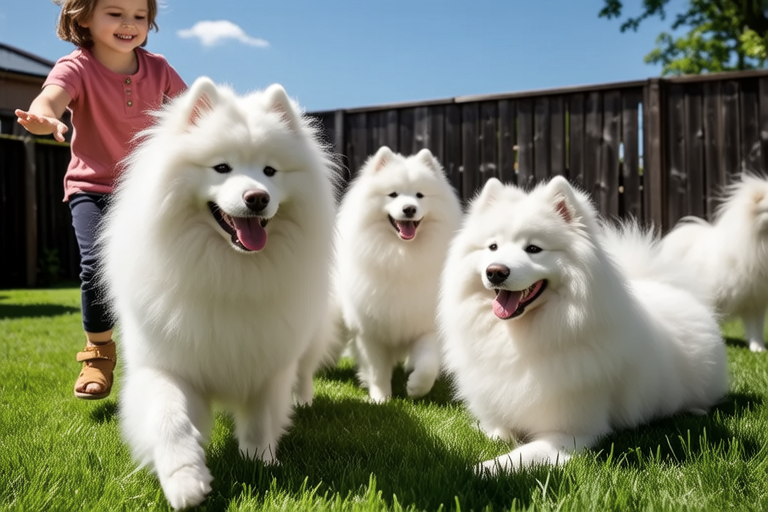
Top 10 Reasons Why Samoyeds Make Perfect Family Pets
The Samoyed, known for its striking white coat and expressive face, is a breed that captivates hearts with its unique charm. Originating from Siberia, these dogs were bred to herd reindeer and pull sleds, showcasing remarkable strength and endurance. Their most distinctive feature is their plush, snow-white fur, which not only provides insulation but also contributes to their iconic appearance. Samoyeds have a gentle demeanor, making them excellent companions. Their history as working dogs has equipped them with a balanced temperament, intelligence, and adaptability, all of which contribute to their suitability as family pets.
1. Friendly Nature
Samoyeds are renowned for their friendly disposition, which makes them exceptionally welcoming to both humans and other animals. They are inherently sociable and rarely exhibit aggression. This trait is particularly beneficial for families with children or other pets. Their friendliness extends beyond mere tolerance; they genuinely enjoy the company of others. Personal anecdotes often highlight how Samoyeds can quickly become inseparable from new family members, offering comfort and companionship. Their eagerness to please and engage ensures a harmonious household environment.
2. Adaptability
Adaptability is one of the key attributes that make Samoyeds versatile family pets. Originally from Siberia, where temperatures can plummet to extreme lows, Samoyeds have developed a robust constitution that allows them to thrive in various climates. Their thick double coat serves as an insulating layer, keeping them warm in cold weather and cool in warmer conditions. Additionally, their adaptable nature extends to living environments. Whether in a spacious suburban home or a cozy apartment, Samoyeds adjust well to their surroundings. This flexibility makes them suitable for families with diverse living situations.
3. Intelligence
Samoyeds possess an above-average level of intelligence, which enhances their ability to learn and follow commands. Their intelligence is evident in their quick response to training and their eagerness to please their owners. This intelligence facilitates effective communication between the dog and the owner, making training sessions enjoyable and productive. The breed’s cognitive abilities also enable them to solve problems, a trait that can be particularly useful in managing household tasks or entertaining themselves when left alone. Samoyeds’ intelligence is not just about learning tricks; it encompasses understanding and responding to different situations, ensuring a well-rounded and responsive pet.
4. Hypoallergenic Qualities
Despite their dense coats, Samoyeds are considered relatively hypoallergenic compared to many other breeds. Their non-shedding undercoat and lack of dander help reduce allergens in the home. However, it’s important to note that no dog is entirely hypoallergenic, and individual reactions may vary. Regular grooming and bathing can further minimize allergens, making Samoyeds a more viable option for individuals with allergies. Their hypoallergenic qualities combined with their affectionate nature make them a popular choice among allergy sufferers who wish to own a pet.
5. Exercise Needs
Samoyeds are an active breed with high energy levels, requiring regular physical activity to maintain their health and happiness. Daily walks, runs, and playtime are essential to keep them fit and engaged. Their history as working dogs means they are naturally inclined towards physical challenges, such as pulling sleds or herding. Engaging in activities like agility training or fetch can satisfy their need for mental stimulation alongside physical exertion. Ensuring adequate exercise prevents boredom and potential behavioral issues, contributing to a well-balanced and contented pet. Families must be prepared to commit to consistent exercise routines to fully enjoy the benefits of owning a Samoyed.
6. Grooming Requirements
Grooming is a significant aspect of caring for a Samoyed due to their thick double coat. Regular brushing is necessary to prevent matting and remove loose hair, especially during shedding seasons. Bathing should be done sparingly to avoid stripping the coat of its natural oils. Professional grooming sessions may also be beneficial, particularly for maintaining the cleanliness and appearance of their fur. Despite the time commitment, grooming can be a bonding experience between the owner and the dog. The effort put into grooming results in a well-maintained, healthy coat, enhancing the overall beauty and well-being of the Samoyed.
7. Vocal Tendencies
Samoyeds are known for their tendency to bark, which can sometimes be mistaken for excessive barking. However, their barking is usually motivated by excitement, alertness, or seeking attention. Proper training can help manage this behavior, ensuring that barking remains within acceptable limits. Understanding the triggers behind their vocalizations is crucial for addressing any potential issues. Positive reinforcement techniques can teach Samoyeds when it’s appropriate to be quiet, promoting a peaceful household environment. With patience and consistency, families can enjoy the companionship of a Samoyed without being overwhelmed by excessive noise.
8. Protective Instincts
Samoyeds have a natural protective instinct, which can be beneficial for family security. While they are not aggressive, their alertness and vigilance make them excellent watchdogs. They tend to be wary of strangers, providing an additional layer of security for the home. Their protective nature is not limited to guarding against intruders; they also exhibit a strong sense of loyalty and protectiveness towards family members. This dual role as both a companion and protector adds value to having a Samoyed in the family. Their protective instincts are balanced with their friendly demeanor, ensuring a safe and loving environment for everyone.
9. Compatibility with Children
Samoyeds are incredibly compatible with children, thanks to their patient and gentle nature. They have a natural affinity for interacting with kids, often becoming playmates and confidants. Their size and strength make them suitable play partners for older children while still being gentle enough for younger ones. Samoyeds are tolerant of roughhousing and can handle the occasional accidental tug or pull, making them resilient companions. Their calm and affectionate demeanor helps create a nurturing atmosphere, fostering a strong bond between the dog and children. Families with children will find Samoyeds to be delightful additions, enhancing the joy and harmony within the household.
10. History as Working Dogs
The history of Samoyeds as working dogs is rich and influential, shaping their modern-day characteristics. Originally bred by the nomadic Samoyede people of Siberia, these dogs were relied upon for herding reindeer and pulling sleds across vast, harsh landscapes. Their endurance, strength, and reliability were crucial in these roles. Today, these traits translate into a loyal and dependable family pet. Their history instilled a strong work ethic and a desire to please their human counterparts, making them highly trainable and cooperative. Understanding their heritage provides insight into why Samoyeds excel in various roles within a family setting, from companionship to assistance.
Conclusion
In conclusion, Samoyeds embody a unique blend of qualities that make them perfect family pets. From their friendly nature and adaptability to their intelligence and hypoallergenic features, each characteristic contributes to a well-rounded and delightful companion. Their exercise needs, grooming requirements, vocal tendencies, protective instincts, and compatibility with children further enhance their suitability for family life. Their history as working dogs underscores their reliability and loyalty. By embracing these traits, families can enjoy the numerous benefits of owning a Samoyed, creating a loving and harmonious household environment. Samoyeds truly stand out as ideal family pets, bringing joy and companionship to every member of the family.
