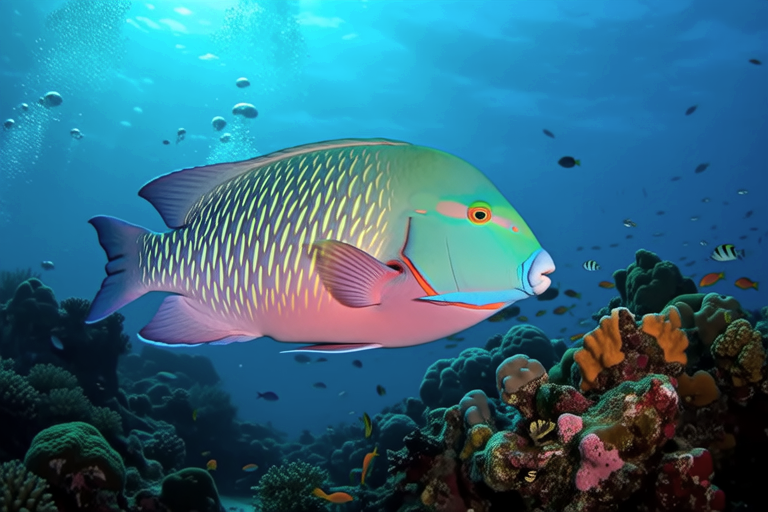
Top 10 Fun Facts About Parrot Fish That Will Blow Your Mind
Welcome to the vibrant world of parrot fish, one of the most colorful and fascinating creatures that inhabit our oceans. These fish are not only stunning to look at but also play crucial roles in maintaining the health of coral reefs. Let’s dive into the top 10 fun facts about parrot fish that will surely blow your mind.
1. A Rainbow of Colors
Parrot fish come in a dazzling array of colors, from electric blues and vivid pinks to deep oranges and striking yellows. Their vibrant hues are not just for show; they play a vital role in communication within their species. These colors can signal aggression, readiness to mate, or even help in camouflage. The diversity in coloration is due to the presence of specialized pigment cells called chromatophores, which allow these fish to change their appearance rapidly in response to environmental changes or threats.
2. Teeth Like a Parrot
The name ‘parrot fish’ is derived from their beak-like mouths filled with rows of tiny, sharp teeth. These teeth are incredibly strong, enabling the fish to scrape algae off coral reefs with ease. Interestingly, instead of having separate upper and lower jaws like most fish, parrot fish have fused jaws that form a beak structure. This unique adaptation allows them to feed efficiently on hard surfaces, contributing significantly to reef maintenance.
3. Secretive Nighttime Behavior
Parrot fish have a peculiar habit of secreting a mucus cocoon around themselves before sleeping. This behavior is thought to serve multiple purposes. Firstly, it helps mask their scent from potential predators. Secondly, the mucus acts as a physical barrier, protecting them from parasites and harmful bacteria. This nightly ritual is so effective that it has been observed that some fish sleep more soundly inside their cocoons than outside.
4. Role in Coral Reef Health
Parrot fish are considered the janitors of the ocean. By consuming vast amounts of algae that grow on coral reefs, they prevent overgrowth that could smother the corals. This feeding activity also contributes to the formation of sand. As parrot fish digest coral and algae, their excretions break down calcium carbonate, which eventually becomes part of the sandy substrate on which many marine organisms depend. Without parrot fish, many coastal areas might not have the beautiful beaches we enjoy today.
5. Gender Flexibility
One of the most fascinating aspects of parrot fish biology is their ability to change sex. Many species start life as females and later transform into males. This phenomenon, known as sequential hermaphroditism, is particularly advantageous for reproduction. It ensures genetic diversity and increases the chances of successful spawning. In some cases, the largest female in a group may even transition into a male to lead mating activities.
6. Nocturnal Feeding Frenzy
Parrot fish are primarily diurnal, meaning they are active during the day and rest at night. However, certain species exhibit nocturnal feeding behavior. At night, when visibility is low and predators are less active, these parrot fish venture out to feed on algae that are more abundant in the dark. This nocturnal feeding pattern helps them avoid competition with other herbivorous fish that are active during the day.
7. Camouflage Masters
In addition to their mucus cocoons, parrot fish possess another remarkable ability: they can alter their body patterns to blend into their surroundings. This camouflage technique involves changing the arrangement of their scales to match the texture and color of the reef environment. This skill is particularly useful when hiding from predators or sneaking up on prey. The ability to adapt visually enhances their survival rate in the complex underwater ecosystem.
8. Diverse Species
There are over 90 recognized species of parrot fish, each with its own distinct characteristics and behaviors. From the small and delicate to the large and robust, these fish vary greatly in size and appearance. Some species are solitary, while others live in large schools. Their habitats range from shallow coastal waters to deeper reef environments, making them a diverse and adaptable group. Understanding the differences between species is crucial for conservation efforts and sustainable fishing practices.
9. Sound Producers
Did you know that parrot fish can produce sounds? These sounds are used for communication, especially during mating season. Male parrot fish create grunting or clicking noises to attract females and establish territories. The sound production mechanism involves vibrating structures within their swim bladders. Scientists studying these sounds have found that they can vary in frequency and intensity, indicating different messages or intentions.
10. Threats and Conservation
Despite their importance to marine ecosystems, parrot fish face numerous threats, including overfishing, habitat destruction, and climate change. Many species are targeted by commercial fisheries due to their brightly colored flesh, which is highly valued in some markets. Additionally, the degradation of coral reefs affects both their food source and shelter. Conservation efforts, such as establishing marine protected areas and promoting sustainable fishing practices, are essential to ensure the survival of these magnificent creatures.
In conclusion, parrot fish are truly remarkable animals that offer a wealth of interesting facts and behaviors. From their colorful appearances to their vital roles in maintaining coral reef health, these fish continue to captivate scientists and nature enthusiasts alike. By learning more about them, we can better appreciate the intricate balance of life in our oceans and work towards preserving these precious resources for future generations.
