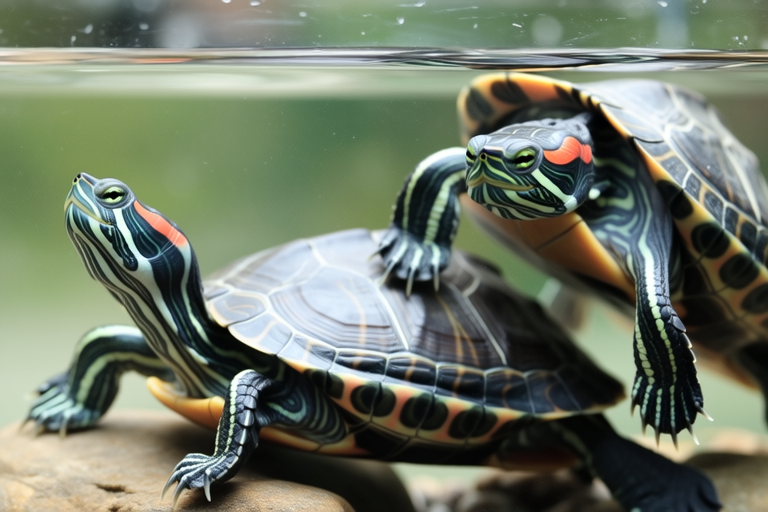
Adorable Red-Eared Sliders: Tips for First-Time Turtle Owners
Welcome to the world of adorable red-eared sliders! These freshwater turtles are among the most popular pet choices for both beginners and experienced reptile enthusiasts. Their vibrant red markings behind their eyes, coupled with their generally docile nature, make them a favorite for many. However, owning a red-eared slider requires more than just a tank and some food; it involves a significant commitment to providing the right environment, diet, and care. This guide will walk you through everything you need to know to ensure your turtle lives a long and healthy life.
Understanding Red-Eared Sliders
Red-eared sliders (Trachemys scripta elegans) are native to the southern United States but have been introduced into various regions worldwide. They are named for the distinctive red stripe behind each eye, though not all individuals display this feature prominently. Known for their longevity, these turtles can live up to 40 years in captivity, making them a long-term commitment for any owner. Their adaptability and ease of care have contributed to their widespread popularity as pets.
Habitat Setup
Creating a suitable habitat is crucial for the health and well-being of your red-eared slider. A proper setup mimics their natural environment and provides the necessary space for swimming and basking.
Tank Size
The rule of thumb is that your turtle’s tank should be at least ten gallons per inch of shell length. For example, a fully grown adult red-eared slider could require a tank of around 80 gallons or more. This ensures ample space for swimming and allows the turtle to swim comfortably without stress.
Water Quality
Water quality is paramount. Use a high-quality filter to maintain clean water, as turtles produce waste that can quickly degrade水质。使用高质量的过滤器来保持清洁的水质非常重要,因为乌龟会产生废物,这些废物会迅速恶化水质。定期更换部分水(每周至少一次)和彻底清洗过滤器是必要的。此外,使用脱氯剂去除自来水中的氯气,以避免对乌龟的健康造成不利影响。
Basking Area
Red-eared sliders also need a dry area to bask under a UVB light. This area should be large enough for the turtle to completely emerge from the water and dry off. A flat rock or a special basking platform works well. Ensure the temperature under the UVB light reaches between 85°F and 95°F (29°C to 35°C) during the day, and drops to around 75°F (24°C) at night. This temperature gradient helps regulate the turtle’s metabolism and encourages natural behaviors.
Dietary Needs
Proper nutrition is vital for your turtle’s growth and overall health. Red-eared sliders are omnivores, feeding on a variety of plant and animal matter.
Commercial Diets
Commercial turtle pellets provide a balanced diet and are convenient for busy owners. Choose a high-quality pellet that meets your turtle’s nutritional needs, including protein, vitamins, and minerals. However, pellets alone may not offer a complete diet, so it’s important to supplement with other foods.
Supplemental Foods
Variety is key. Offer fresh vegetables like romaine lettuce, kale, and carrots, as well as occasional fruits like berries. For protein, include earthworms, mealworms, and crickets. Avoid iceberg lettuce and spinach, as they lack essential nutrients and can cause digestive issues.
Health Monitoring
Regular health checks are crucial for early detection of potential issues. Monitor your turtle’s behavior and appetite daily. Look out for signs of illness, such as lethargy, loss of appetite, or unusual lumps or bumps on the shell. If you notice any concerning symptoms, consult a veterinarian specializing in reptiles.
Common Health Issues
Like any pet, red-eared sliders are susceptible to certain health problems. Understanding these issues can help you provide better care.
Shell Rot
This bacterial infection affects the shell and can lead to soft spots or lesions. Maintaining clean water and ensuring proper basking areas are critical in preventing shell rot. If you suspect shell rot, seek veterinary assistance immediately.
Metabolic Bone Disease
Caused by calcium deficiency, this condition weakens bones and can lead to deformities. Providing a balanced diet rich in calcium and ensuring adequate UVB lighting are essential preventive measures.
Handling and Interaction
While red-eared sliders are not known for their affectionate nature, they can still form a bond with their owners. Handling should be done carefully to avoid stress and injury.
Safe Handling
Always wash your hands before and after handling your turtle to prevent the spread of bacteria. Support the turtle’s body firmly, especially the shell, to avoid accidental injury. Limit handling to once a week or less, as too much handling can stress the turtle.
