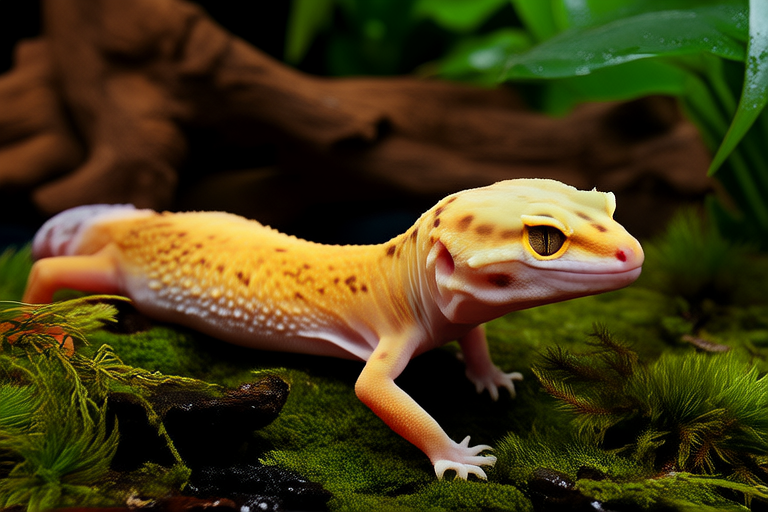
How to Create the Perfect Habitat for Your Color-Changing Companion
Welcome to the fascinating world of color-changing pets! These extraordinary creatures captivate us with their dynamic hues, making them popular choices among animal enthusiasts. To ensure your color-changing companion thrives, it’s crucial to understand their natural habitat and replicate it as closely as possible within your home. This comprehensive guide will walk you through creating the perfect habitat, covering everything from essential enclosure elements to dietary considerations and health checks.
Understanding the Natural Habitat of Color-Changing Pets
The first step in crafting the ideal environment for your color-changing pet is to understand where they originate. Many species, such as chameleons and certain fish, come from diverse habitats that range from tropical rainforests to coral reefs. Each species has unique environmental needs, so research thoroughly about your specific pet’s native environment before setting up its enclosure.
For instance, chameleons thrive in warm, humid climates with plenty of foliage for climbing and hiding. On the other hand, some fish species prefer cooler waters with specific pH levels and water flow patterns. By mimicking these natural conditions, you can help your pet feel more comfortable and secure in its new home.
Essential Elements for Their Enclosure
When designing your pet’s enclosure, consider both physical space and psychological comfort. Start by selecting an appropriately sized cage or tank that allows ample room for movement and exploration. For example, a medium-sized chameleon requires at least a 3-foot tall terrarium to accommodate its arboreal lifestyle.
In addition to size, include various branches, vines, and plants inside the enclosure. These provide essential perches and hiding spots, promoting mental stimulation and physical activity. Live or artificial plants can also serve as decorations, enhancing the aesthetic appeal of the enclosure while offering additional benefits like oxygen production and humidity regulation.
Temperature and Lighting Requirements
Maintaining optimal temperature and lighting conditions is vital for your color-changing pet’s overall health and vibrant colors. Most reptiles require a gradient of temperatures throughout their enclosure, allowing them to thermoregulate effectively. Use heat lamps or under-tank heaters to create warm basking areas and cooler retreats.
Similarly, proper lighting plays a significant role in maintaining your pet’s natural coloration. Full-spectrum UVB bulbs are particularly important for reptiles, as they facilitate vitamin D3 synthesis necessary for calcium absorption. Fish also benefit from specific light spectrums that mimic their natural aquatic environments. Always follow manufacturer guidelines when installing these fixtures, ensuring safety and efficacy.
Appropriate Substrates
Selecting the right substrate ensures cleanliness and prevents health issues associated with inappropriate bedding materials. For terrestrial reptiles like bearded dragons, choose a dust-free sand or coconut fiber substrate that promotes burrowing behaviors without causing respiratory irritation. Aquatic pets may need specialized substrates tailored to their particular species, such as gravel or fine sand for bottom-dwelling fish.
Regardless of the type chosen, regularly clean and replace the substrate to maintain hygiene standards. Avoid using materials that could pose choking hazards or cause digestive blockages if ingested accidentally.
Dietary Considerations Affecting Color Changes
What your color-changing pet eats directly impacts its appearance and vitality. Provide a balanced diet rich in nutrients essential for maintaining healthy skin pigmentation. Insects, fruits, vegetables, and commercially available reptile pellets form the cornerstone of many color-changing pets’ diets.
Some fish species exhibit brighter colors when fed high-quality flake foods containing carotenoids, antioxidants responsible for vibrant hues. Consult with veterinarians specializing in exotic animals for personalized feeding recommendations based on your pet’s individual needs.
Interactive Toys and Enrichment
To keep your color-changing companion engaged and mentally stimulated, incorporate interactive toys and enrichment activities into daily routines. Puzzle feeders encourage problem-solving skills while providing nutritious treats. Climbing structures challenge agility and coordination, stimulating physical exercise.
Regularly rotate these items to prevent boredom and maintain interest. Additionally, spend quality time interacting with your pet through supervised play sessions, fostering emotional bonds between owner and animal.
Regular Health Checks
Scheduling routine veterinary examinations helps detect potential problems early, ensuring prompt treatment when necessary. Familiarize yourself with common signs of illness in your particular species, such as lethargy, loss of appetite, or abnormal behavior patterns.
Monitor your pet’s weight regularly and adjust its diet accordingly. Maintain accurate records of any medications administered or treatments received, sharing this information with future healthcare providers.
Creating the perfect habitat for your color-changing companion involves careful consideration of numerous factors, from understanding their natural habitats to providing appropriate substrates and dietary support. By following the advice outlined here, you’ll be well on your way to establishing a thriving environment where your unique pet can flourish. Remember, mimicking nature as closely as possible not only enhances their physical health but also contributes positively to their mental well-being, resulting in healthier, happier, and more vibrant-colored pets.
