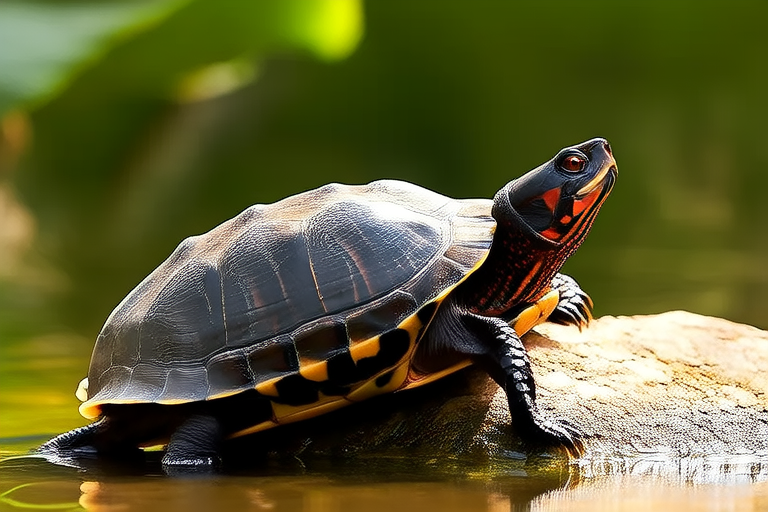
Before You Get a Red-eared Slider: Important Facts to Consider
Red-eared sliders are among the most popular pet turtles in the world. Known for their distinctive red stripes behind their eyes, these semi-aquatic turtles have captured the hearts of many. Before you decide to bring home a red-eared slider, it’s crucial to understand the unique demands of their care. This guide will help you make an informed decision about whether a red-eared slider is the right pet for you.
Understanding Red-eared Sliders
Red-eared sliders (Trachemys scripta elegans) are native to the southern United States and northern Mexico. They have become a favorite among pet enthusiasts due to their vibrant appearance and relatively low maintenance. However, beneath their charming exterior lies a creature with specific needs that require careful consideration.
Habitat Requirements
Creating an appropriate habitat for your red-eared slider is essential. These turtles need both water and land areas to thrive. A minimum tank size of 40 gallons is recommended for a single adult, with additional space required for each additional turtle. The water area should be deep enough for the turtle to swim comfortably, while the land area should be large enough for basking. UVB lighting is also necessary for vitamin D synthesis and calcium absorption. Ensure the water is clean and maintained at a temperature between 75°F and 80°F (24°C to 27°C).
Dietary Needs
Feeding a red-eared slider a balanced diet is vital for its health. Their diet should consist of commercial turtle pellets, fresh vegetables, and occasional live or frozen prey such as crickets or earthworms. Younger turtles require more protein than adults, who can thrive primarily on plant-based foods. It’s important to avoid feeding them iceberg lettuce, which has little nutritional value. Feeding should occur daily for juveniles and every other day for adults.
Average Lifespan and Growth Patterns
Red-eared sliders can live up to 30 years in captivity, making them long-term companions. They grow rapidly during their early years, reaching full size within 5 to 10 years. Males typically reach a carapace length of 6 to 8 inches, while females can grow up to 12 inches. Their growth rate depends on factors like genetics, nutrition, and environmental conditions. Understanding these growth patterns helps in preparing for the space and resources they will need as they mature.
Time Commitment
Owning a red-eared slider requires a significant time commitment. Regular cleaning of the tank, monitoring water quality, and ensuring proper basking and swimming areas are all part of the responsibility. Additionally, turtles can be quite active, requiring attention and interaction. While they may seem independent, providing a stimulating environment is crucial for their well-being.
Common Misconceptions
One common misconception is that red-eared sliders are low-maintenance pets. In reality, they demand a specialized habitat and regular care. Another myth is that they don’t require much space. However, inadequate living conditions can lead to stress and health issues. It’s also often believed that they can eat anything. Providing a varied and nutritious diet is essential for their longevity and health.
Selecting a Healthy Turtle
When choosing a red-eared slider, it’s important to select a healthy individual from a reputable source. Look for signs of vitality such as clear eyes, active movement, and a smooth shell. Avoid turtles with discharge around the eyes or nose, lethargy, or any signs of injury. Reputable breeders and pet stores should provide information on the turtle’s background, including its age and any previous medical history.
Summary
Owning a red-eared slider comes with significant responsibilities. From creating an appropriate habitat to providing a balanced diet and ample time for care, these turtles require dedication. Thorough research and preparation are key to ensuring a happy and healthy life for both the turtle and its owner. By understanding the unique needs of red-eared sliders, you can make an informed decision about whether they are the right pet for you. Remember, adopting a red-eared slider is a long-term commitment that requires careful consideration.
