Common Mistakes New Chinchilla Owners Make and How to Avoid Them
Introduction to Chinchillas and Their Care Requirements
Chinchillas are small, furry rodents that have become increasingly popular as pets. Originating from the Andes Mountains in South America, these creatures are known for their dense, soft fur and playful nature. Chinchillas are crepuscular animals, meaning they are most active during dawn and dusk. They are intelligent and can bond closely with their owners, making them delightful companions. However, owning a chinchilla comes with specific care requirements that new owners might not be fully aware of.
Chinchillas need a well-balanced diet, appropriate living environment, and sufficient social interaction to thrive. They also require regular health check-ups and grooming due to their dense fur. Understanding these needs is crucial for ensuring the health and happiness of your pet.
Common Mistakes Made by New Chinchilla Owners
New chinchilla owners often make several common mistakes that can affect their pet’s health and wellbeing. These include providing an improper diet, inadequate housing, and insufficient social interaction.
Improper Diet
One of the most frequent mistakes is feeding chinchillas an unsuitable diet. Chinchillas have sensitive digestive systems that require a diet high in fiber and low in sugar. Many new owners mistakenly believe that chinchillas can eat the same food as other small pets like hamsters or gerbils, which is incorrect.
Inadequate Housing
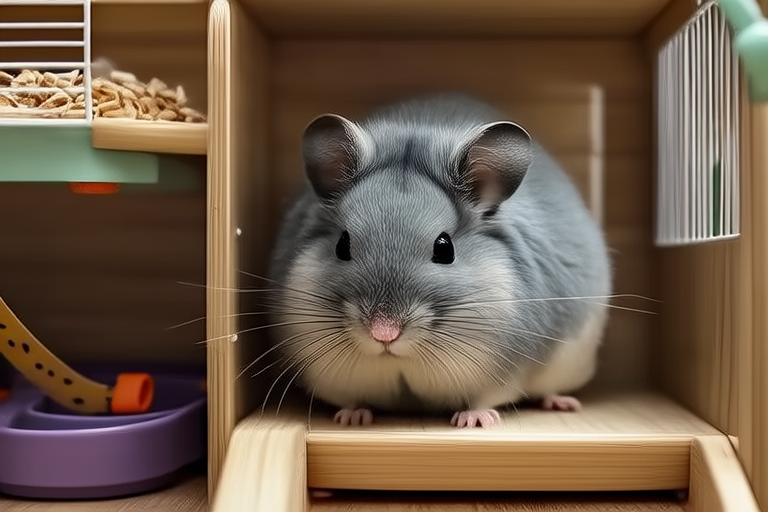
Another common mistake is providing an inappropriate living environment. Chinchillas need a spacious cage with multiple levels to allow for climbing and exercise. Many new owners underestimate the space requirements and end up with cages that are too small, leading to stress and behavioral issues.
Insufficient Social Interaction
Chinchillas are social animals and require regular interaction with their owners. Some owners may neglect this aspect, thinking that chinchillas are solitary animals. Lack of social interaction can lead to behavioral problems and loneliness.
Providing the Correct Diet
To ensure a healthy diet for your chinchilla, it is essential to provide a balanced mix of pellets, hay, and fresh water. Pellets should be formulated specifically for chinchillas and should not contain seeds or nuts, as these can cause obesity and dental problems. Hay, particularly Timothy hay, is vital as it aids digestion and keeps teeth worn down.
Chinchillas should always have access to clean, fresh water. A water bottle with a sipper tube is recommended to prevent contamination and keep the water supply fresh. Additionally, chinchillas enjoy gnawing on wooden toys and branches, which helps maintain their teeth and provides mental stimulation.
Suitable Living Environment
The living environment for your chinchilla should mimic their natural habitat as closely as possible. The cage should be large enough to allow for movement and climbing. Multi-level cages with ramps and platforms are ideal, as they encourage physical activity and exploration.
The cage should be placed in a quiet area away from direct sunlight and drafts. Chinchillas are sensitive to temperature changes and thrive in cooler environments. Temperatures above 80°F (27°C) can be dangerous for chinchillas, so it is crucial to ensure their living space remains cool.
Bedding is another important consideration. Aspen shavings or paper-based bedding is preferable, as it is safe and easy to clean. Avoid cedar and pine shavings, as they can irritate a chinchilla’s respiratory system.
Proper Socialization
Chinchillas are social animals and require regular interaction with their owners. Spend time each day handling your chinchilla gently and providing positive reinforcement through treats and praise. This helps build trust and strengthens the bond between you and your pet.
Chinchillas can also benefit from having a companion of the same species. If you have the space and resources, consider getting a second chinchilla. Ensure both chinchillas are of the same sex to avoid unwanted breeding. Introduce them gradually and monitor their interactions to ensure compatibility.
Regular Health Check-Ups and Grooming
Regular health check-ups are essential for maintaining your chinchilla’s wellbeing. Schedule routine visits with a veterinarian who specializes in exotic animals. During these check-ups, the vet will examine your chinchilla for signs of illness and ensure they are receiving adequate nutrition.
Grooming is equally important for chinchillas due to their dense fur. Dust baths are necessary for keeping their coat clean and preventing skin issues. Provide a dust bath bowl filled with chinchilla-specific dust twice a week for about 10-15 minutes each time. Ensure the dust is free from harmful chemicals and is designed specifically for chinchillas.
Conclusion: Emphasizing Responsible Ownership
Owning a chinchilla is a rewarding experience but requires commitment and responsibility. By understanding and addressing the common mistakes new owners make, you can provide your pet with the best possible care. Proper diet, suitable living environment, and adequate social interaction are key factors in ensuring your chinchilla’s health and happiness.
For further learning, consider joining online communities and forums dedicated to chinchilla care. Books and articles on chinchilla husbandry can also provide valuable insights. Remember, a well-informed owner is a responsible owner, and together we can help our chinchillas live long, happy lives.
