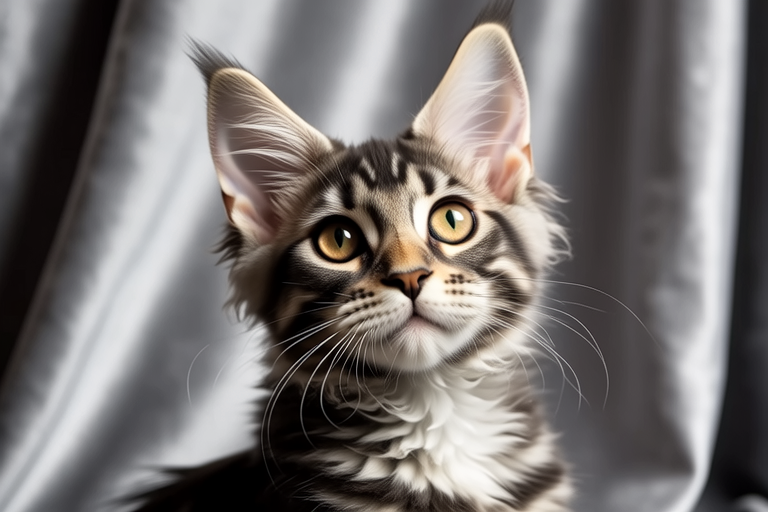
The Unique Characteristics of Devon Rex Cats
Devon Rex cats are known for their distinctively curly coats and playful personalities. This breed has captured the hearts of many cat lovers with its unique appearance and friendly demeanor. In this article, we will explore the history, characteristics, and care requirements of Devon Rex cats, debunk some common myths, and provide valuable insights for potential owners.
A Brief History of Devon Rex Cats
The Devon Rex breed originated in England in the mid-20th century. The story begins in 1960 when a curly-coated stray cat appeared in an area near Devon, England. A local woman, Beryl Cox, took the cat in and named him Kirlee. Kirlee was the result of a spontaneous genetic mutation, which led to his unusual curly coat. Beryl noticed that Kirlee’s offspring inherited his curly coat, and thus the foundation of the Devon Rex breed was laid.
Despite the similarity in names, it is important to distinguish between Devon Rex and Cornish Rex cats. While both breeds have curly coats, the genes responsible for the curls are different. Devon Rex cats have short, wavy fur, whereas Cornish Rex cats have shorter, finer hair all over their bodies. This distinction makes the Devon Rex unique and sought after by cat enthusiasts.
The Distinctive Curly Coat of Devon Rex Cats
One of the most striking features of Devon Rex cats is their curly coat. This coat is not just a cosmetic trait but also contributes to the breed’s charm and character. The curls are primarily found on the back, sides, and tail, giving them a distinctive appearance. Their ears and whiskers may also be slightly curled, adding to their unique look.
The texture of the Devon Rex’s coat is soft and silky, often compared to peach fuzz. This characteristic makes them particularly appealing to those who enjoy the feel of their pets. However, it is worth noting that the coat can vary in density and length among individuals within the breed. Some Devon Rex cats may have a sparse coat, while others might have a thicker layer of fur.
Myths and Facts About Devon Rex Cats
There are several myths surrounding Devon Rex cats that need to be addressed. One common myth is that these cats are hypoallergenic. While some people believe that curly-coated cats produce less dander, leading to fewer allergic reactions, there is no scientific evidence to support this claim. Allergic reactions to cats are typically caused by proteins found in their saliva and skin secretions, not necessarily the amount of dander.
Another misconception is that Devon Rex cats are low-maintenance due to their short, curly coat. While grooming requirements are generally lower than those for long-haired breeds, regular brushing is still necessary to prevent matting and keep the coat healthy. Additionally, these cats are highly active and require plenty of mental and physical stimulation, making them far from low-maintenance pets.
Temperament and Interaction with Families
Devon Rex cats are renowned for their playful and affectionate nature. They are often described as “dog-like” in their behavior, as they tend to follow their owners around and enjoy being involved in family activities. These cats are known to be very social and thrive in households where they receive ample attention and interaction.
Their intelligence is another standout feature of Devon Rex cats. They are quick learners and can be trained to perform tricks, fetch toys, and even walk on a leash. Anecdotes abound of Devon Rex cats learning to open cabinets and drawers, showcasing their problem-solving skills and curiosity. Studies have shown that these cats are capable of understanding complex commands and can form strong bonds with their human companions.
Devon Rex cats are also known for their vocalizations. They are not as loud as Siamese cats, but they are certainly talkative. Owners often report that their Devon Rex cats engage in “conversations” with them, responding to their voices and mimicking sounds. This vocalization can be endearing but may become bothersome if the cat feels neglected or bored.
Health Considerations for Devon Rex Cats
While Devon Rex cats are generally healthy, there are some health considerations specific to this breed. One of the most significant concerns is patellar luxation, a condition where the kneecap dislocates from its normal position. This issue can cause discomfort and mobility problems. Regular veterinary check-ups are essential to monitor the health of Devon Rex cats and address any issues early.
Another concern is a genetic predisposition to certain heart conditions, such as hypertrophic cardiomyopathy (HCM). This condition causes the walls of the heart to thicken, potentially leading to heart failure. Early detection through regular veterinary visits and genetic testing can help manage this condition effectively.
Owners should also be aware of potential skin issues related to the breed’s unique coat. While the curly coat is a hallmark of the Devon Rex, it can sometimes lead to skin sensitivities or infections. Keeping the coat clean and well-groomed is crucial to maintaining the health of the skin beneath. Regular baths and gentle brushing can help prevent these issues.
Care Requirements for Devon Rex Cats
Devon Rex cats are relatively easy to groom due to their short, curly coat. However, regular brushing is still necessary to prevent matting and keep the coat in good condition. Using a soft-bristled brush or a rubber grooming mitt can help remove loose hair and distribute natural oils throughout the coat.
Dietary needs for Devon Rex cats are similar to those of other breeds. A balanced diet rich in protein, vitamins, and minerals is essential for maintaining their overall health. Owners should consult with their veterinarian to determine the best diet for their particular cat, taking into account age, activity level, and any specific health considerations.
Mental and physical stimulation are vital for Devon Rex cats to maintain their well-being. Providing a variety of toys and interactive games can help keep them engaged and mentally sharp. Puzzle feeders, laser pointers, and feather wands are popular choices for stimulating play. Ensuring that they have access to climbing structures and scratching posts is also important for their physical exercise and claw maintenance.
Advice for Potential Owners
Before adopting a Devon Rex cat, it is important to consider the time and effort required to care for this breed. While they are affectionate and playful, they demand attention and interaction from their owners. Potential owners should be prepared to spend time playing with and training their cat, as well as providing a stimulating environment.
Researching reputable breeders and understanding the health history of the cat you intend to adopt is crucial. Responsible breeders will provide health clearances and offer guidance on proper care and feeding. Adopting from shelters or rescue organizations is also a viable option, as many Devon Rex cats are available for adoption.
Lastly, potential owners should be aware of the financial commitment involved in owning a Devon Rex cat. Veterinary care, grooming supplies, and high-quality food can add up over time. Setting aside funds for unexpected medical expenses is advisable to ensure the long-term health and happiness of your cat.
Conclusion
Devon Rex cats are truly unique creatures with their distinctive curly coats, playful personalities, and high intelligence. While they may require more attention and care than some other breeds, their charm and affection make them wonderful companions for the right family. By understanding their history, characteristics, and specific needs, potential owners can provide the best possible life for these special cats.
