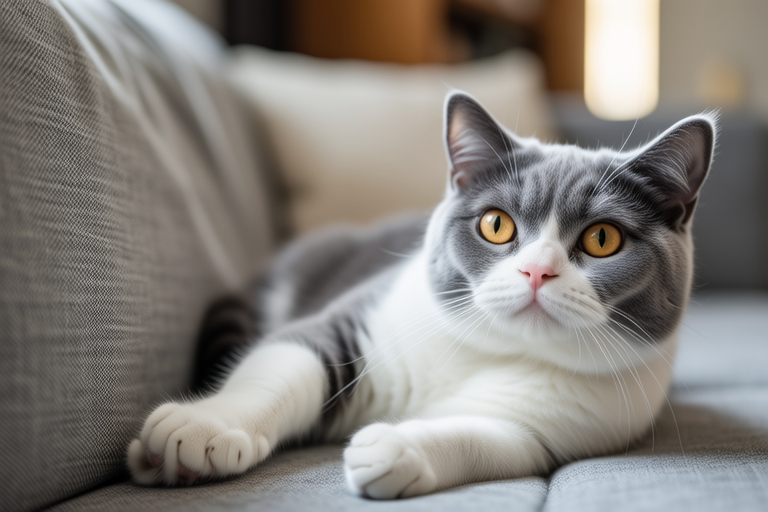
Adopting a Munchkin: What Every Future Owner Needs to Know
Introduction:
The Munchkin cat, with its distinctive short legs and playful demeanor, has captured the hearts of many cat enthusiasts worldwide. These charming felines have gained significant popularity since their first appearance in the 1980s, thanks to their unique physical characteristics and endearing personalities. The breed’s origins trace back to Louisiana, where a short-legged domestic cat was discovered. This discovery sparked the interest of cat breeders who began selectively breeding these cats, leading to the development of the Munchkin breed as we know it today.
Munchkins are known for their short, sturdy legs, which give them a distinctively low-slung profile. Despite their diminutive stature, these cats are incredibly agile and energetic, often surprising owners with their ability to jump high and run fast. Their playful nature and friendly disposition make them ideal companions for families and individuals alike. However, before adopting a Munchkin, it is crucial to understand the breed’s unique health concerns, care requirements, and the responsibilities that come with owning such a special pet.
Essential Facts About Munchkin Health
While Munchkins are generally healthy cats, their unique genetics can predispose them to certain health issues. One of the most common genetic conditions associated with the breed is lordosis, a condition characterized by an excessive curvature of the spine. Another concern is pectus excavatum, where the chest cavity is sunken inwards. These conditions can affect a Munchkin’s mobility and overall quality of life. Regular veterinary check-ups and a healthy lifestyle can help manage these potential issues.
In addition to genetic health concerns, Munchkins are prone to joint problems due to their shorter leg structure. Ensuring they maintain a healthy weight and providing them with comfortable bedding can help alleviate some of these issues. It is also important to avoid letting Munchkins jump from high places to prevent injuries. Early detection and management of any health issues can significantly improve their lifespan and well-being.
Selecting the Right Munchkin
Choosing a Munchkin from a reputable breeder or shelter is crucial to ensure you adopt a healthy and well-socialized cat. When selecting a breeder, look for one who prioritizes the health and well-being of their cats. Reputable breeders will provide documentation of health screenings and vaccinations, as well as a detailed history of the cat’s lineage. They should also be open to answering any questions you may have about the breed and offer support after the adoption.
If you’re considering adopting a Munchkin from a shelter, it is important to understand that not all shelters have specific information about each cat’s background. However, this does not diminish the joy and companionship a Munchkin from a shelter can bring. Shelters often have thorough records of any medical treatments and vaccinations a cat has received. Taking the time to observe the cat’s behavior and personality can help you find a perfect match.
Creating a Suitable Living Environment
Munchkins thrive in environments that cater to their unique needs. Providing a safe and stimulating space is essential for their physical and emotional well-being. Multi-level homes can present challenges for Munchkins due to their shorter legs, so it’s important to create accessible areas for them. Consider installing ramps or stairs to help them reach elevated surfaces like windowsills or furniture. Soft, padded bedding and comfortable resting spots are also beneficial, especially for older cats.
Munchkins are curious and active, so providing toys and scratching posts can help keep them entertained and engaged. Interactive play sessions are a great way to bond with your Munchkin while ensuring they get the mental and physical stimulation they need. A litter box that is easily accessible and positioned at a comfortable height is essential for maintaining good hygiene. Additionally, ensuring the home is free from harmful chemicals and toxic plants can further protect your Munchkin’s health.
Grooming Needs
Munchkins come in various coat types, ranging from short-haired to long-haired varieties. Short-haired Munchkins require minimal grooming, typically needing a weekly brushing to remove loose hair and distribute natural oils. Long-haired Munchkins, however, may need more frequent grooming, possibly twice a week, to prevent matting and tangles. Regular grooming not only keeps their coat healthy but also strengthens the bond between you and your cat.
Bathing is generally unnecessary unless your Munchkin gets into something particularly messy. Over-bathing can strip their skin of natural oils, leading to dryness and irritation. Instead, focus on regular grooming and maintaining a clean living environment. Cleaning their ears and trimming their nails regularly are also important aspects of their grooming routine. Always handle your Munchkin gently during grooming to ensure a positive experience for both of you.
Dietary Considerations
A balanced diet is vital for maintaining a Munchkin’s health and energy levels. High-quality cat food that meets the nutritional needs of your Munchkin is essential. Consult with your veterinarian to determine the appropriate amount and type of food based on your cat’s age, weight, and activity level. Avoid overfeeding, as obesity can exacerbate joint problems and other health issues. Providing fresh water at all times and incorporating occasional treats can help maintain a healthy weight and encourage proper hydration.
Some Munchkins may benefit from a diet specifically formulated for joint health, particularly if they are prone to arthritis or other joint-related conditions. Omega-3 fatty acids, found in fish oil supplements, can also support joint health and promote a shiny coat. Always consult with your veterinarian before introducing any new supplements or dietary changes to ensure they are safe and appropriate for your Munchkin.
Exercise Requirements
Munchkins are highly active and playful, requiring plenty of opportunities for exercise and mental stimulation. Providing interactive toys, puzzle feeders, and playtime sessions can help keep them physically fit and mentally sharp. Encourage your Munchkin to engage in activities that suit their agility and energy level, such as chasing laser pointers or playing with feather wands. Incorporating daily exercise into your routine can help prevent obesity and maintain their overall health.
Outdoor activities should be approached with caution due to the risk of injury from jumping or falling from heights. If you live in a multi-story home or apartment, consider setting up a secure indoor play area with obstacles and climbing structures to mimic outdoor exploration. Ensuring your Munchkin has ample space to move around and explore within the home can also contribute to their physical and mental well-being.
The Companionship and Love Offered by Munchkins
Munchkins are known for their affectionate and social nature, making them wonderful companions. They often form strong bonds with their owners, seeking out attention and affection whenever possible. Their playful and curious nature makes them a delight to watch and interact with. Munchkins are generally adaptable and can fit well into various family settings, whether they have children, other pets, or live alone.
As with any pet, adopting a Munchkin comes with the responsibility of providing them with a loving and stable home. By understanding their unique needs and dedicating yourself to their care, you can ensure that your Munchkin lives a happy and fulfilling life. Remember, the love and companionship they offer in return are immeasurable, making every effort worthwhile.
Encouraging Responsible Pet Ownership:
Adopting a Munchkin is a rewarding experience that brings years of joy and companionship. However, it is essential to approach pet ownership with responsibility and commitment. Before bringing a Munchkin into your home, consider the time, effort, and financial resources required to provide them with a nurturing environment. Regular veterinary care, proper nutrition, and enrichment activities are key components of responsible pet ownership.
By educating yourself about the breed’s specific needs and being prepared for the challenges and joys of ownership, you can ensure that your Munchkin thrives in your home. With the right care and attention, your Munchkin will undoubtedly become an integral part of your family, offering endless love and companionship.
