From Jungle to Aquarium: The Astonishing Journey of Arowana
The arowana, often referred to as the dragonfish, is a mesmerizing species that has captivated the imagination of aquarists and nature enthusiasts alike. Originating from the tropical jungles and rivers of Southeast Asia, Africa, and South America, this ancient creature has evolved over millions of years, adapting to the rich biodiversity of its lush environment. With its distinctive appearance and fascinating behavior, the arowana stands out as one of the most iconic freshwater fish.
Ancient Origins and Natural Habitat
Found primarily in the slow-moving waters of blackwater streams, peat swamps, and flooded forests, arowanas thrive in the nutrient-rich waters of the Amazon Basin, the Congo River, and the rivers of Borneo. These environments provide the ideal conditions for their survival, with dense vegetation offering shelter and abundant prey. The arowana’s natural habitat is characterized by its complex ecosystem, where it plays a crucial role in maintaining the balance of the aquatic community.
Unique Physical Characteristics
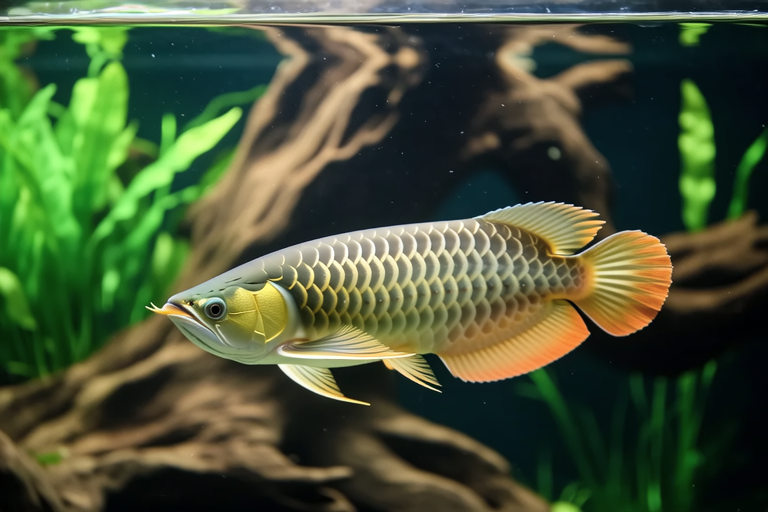
One of the most striking features of the arowana is its elongated body, which can grow up to three feet in length. Its large, iridescent scales shimmer with colors ranging from metallic green to golden, making it a true spectacle in any setting. The arowana is equipped with powerful pectoral fins, enabling it to glide effortlessly through the water, and a strong tail fin that propels it with remarkable speed. Another notable feature is its ability to leap out of the water to catch flying insects and small birds, showcasing its exceptional agility and adaptability.
Behavior and Significance
Arowanas are known for their intelligence and social behavior. They are highly territorial, especially during mating season, when males engage in elaborate displays to attract females. In the wild, they form schools and display cooperative hunting behaviors, working together to catch prey. Their presence in the ecosystem is vital, as they control the population of smaller fish and contribute to the overall health of the river system.
Challenges in the Wild
Despite their resilience, arowanas face significant threats in their natural habitats. Deforestation, pollution, and climate change have severely impacted their living conditions, leading to a decline in their population. Additionally, illegal poaching for the exotic pet trade has further endangered these magnificent creatures. Conservation efforts have become increasingly important to protect them from extinction.
Conservation and Captive Breeding
In response to the growing threats, conservation initiatives have been established to preserve the arowana population. One of the key strategies has been the establishment of captive breeding programs. These programs not only aim to increase the number of arowanas but also to raise awareness about the importance of their preservation. Through careful selection and breeding, these programs have successfully produced healthy offspring, some of which are now being introduced into controlled aquarium environments.
Adapting to Captivity
The transition from the wild to captivity presents several challenges for the arowana. Careful attention must be given to creating an environment that mimics their natural habitat. This includes providing ample space, appropriate water conditions, and a diverse diet. Aquarists must ensure that the tank is spacious enough to allow the arowana to swim freely and that the water quality is maintained at optimal levels. Regular monitoring and adjustments are necessary to support the fish’s well-being.
Tips for Aquarium Owners
For those interested in keeping an arowana, there are several essential factors to consider:
- Tank Size: Arowanas require a large tank, typically no less than 120 gallons, to accommodate their size and swimming habits.
- Water Conditions: Maintain a temperature between 78°F and 84°F and a pH level between 6.5 and 7.5. Regular water changes and filtration systems are crucial for keeping the water clean.
- Diet: A balanced diet consisting of live or frozen foods such as feeder fish, shrimp, and insects is recommended. Supplementing with high-quality pellets can also be beneficial.
- Behavior: Observe the arowana’s behavior closely to ensure it is comfortable and healthy. Provide hiding spots and floating plants to reduce stress.
The Importance of Preservation
The journey of the arowana from jungle to aquarium highlights the intricate relationship between conservation and captivity. While captive breeding programs offer a lifeline for endangered species, it is equally important to protect them in their natural habitats. By supporting sustainable practices and raising awareness about the threats facing these ancient creatures, we can contribute to their long-term survival.
In conclusion, the arowana is a testament to the beauty and complexity of nature. From its origins in the tropical jungles to its current status as a cherished aquarium resident, this remarkable fish continues to inspire awe and admiration. By fostering a deeper understanding and appreciation for these magnificent creatures, we can work towards ensuring their future in both the wild and captivity.
