American Shorthair Cats: The Ultimate Indoor Companion Guide
Welcome to the world of American Shorthair cats! These charming felines have been beloved companions for centuries, and their enduring popularity can be attributed to their friendly nature, robust health, and adaptability to indoor living. This comprehensive guide will help you understand everything there is to know about American Shorthair cats, from their rich history to their unique physical traits, and how to provide them with a happy and healthy life indoors.
History of the American Shorthair Cat
The American Shorthair cat traces its origins back to the early settlers of North America. They were brought over by European immigrants who needed a reliable rodent control solution for their ships and settlements. Over time, these cats adapted to the harsh conditions of the New World, developing into a strong, healthy breed. By the late 19th century, they had become popular show cats, and in 1966, they were officially recognized as the official cat of the United States.
Physical Characteristics
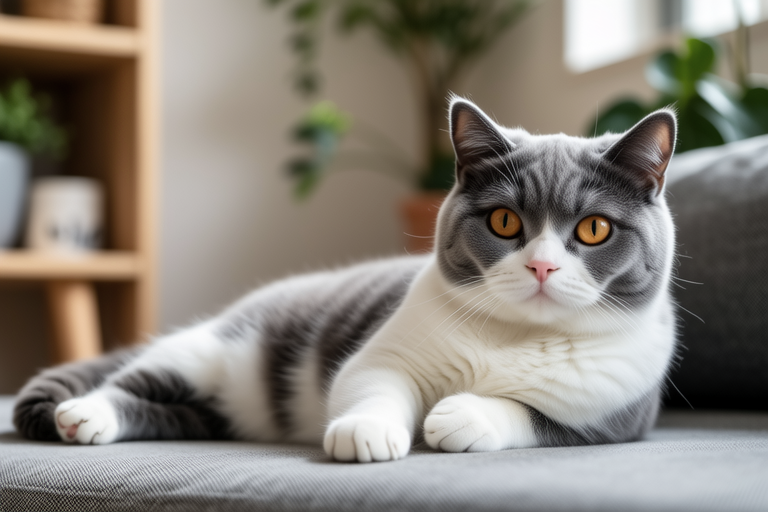
American Shorthair cats are medium to large-sized felines with a muscular build and a broad chest. Their heads are round with a slightly flattened face, and they have wide-set, expressive eyes that can be green, blue, or copper. One of the most distinctive features of the American Shorthair is their short, dense coat, which comes in a variety of colors and patterns, including solid colors, tabby, calico, and bi-color.
These cats have a sturdy bone structure and well-developed muscles, giving them a powerful yet graceful appearance. Their tails are thick at the base and taper to a rounded tip. Their paws are large and rounded, equipped with sharp retractable claws, perfect for climbing and hunting.
Temperament
American Shorthair cats are known for their calm, gentle, and affectionate demeanor. They are highly adaptable and can thrive in various environments, making them ideal indoor companions. These cats are patient and tolerant, which makes them great with children and other pets. They are not overly demanding of attention but enjoy interacting with their human families. Their playful nature often persists into adulthood, and they love to engage in interactive play sessions.
While they are independent, American Shorthairs are social creatures that appreciate companionship. They tend to follow their owners around the house, often curling up beside them when they sit down. Their friendly disposition also extends to strangers, making them less likely to react aggressively in unfamiliar situations.
Care Requirements
Providing proper care for your American Shorthair cat is essential for ensuring their longevity and happiness. Regular veterinary check-ups, vaccinations, and parasite prevention are crucial. Dental hygiene is also important, so brushing your cat’s teeth regularly or providing dental treats can help maintain their oral health.
Creating a Stimulating Indoor Environment
To keep your American Shorthair entertained and mentally stimulated, it’s important to create an enriching indoor environment. Provide plenty of vertical space for climbing and perching, such as cat trees, shelves, and window perches. Interactive toys like puzzle feeders, laser pointers, and feather wands can help stimulate their minds and bodies.
Ensure your cat has access to scratching posts, as this helps them maintain their claws and mark their territory. Providing a variety of textures, such as sisal, carpet, and cardboard, can encourage them to use the post. Additionally, set up hiding spots and tunnels to give your cat a sense of security and privacy.
Common Health Issues
Like all breeds, American Shorthairs can be prone to certain health issues. Hypertrophic cardiomyopathy (HCM), a heart condition, is one of the most common problems. Symptoms may include difficulty breathing, lethargy, and loss of appetite. Regular veterinary check-ups and early detection can help manage this condition.
Polycystic kidney disease (PKD) is another genetic disorder that can affect some American Shorthairs. This condition causes cysts to form in the kidneys, potentially leading to kidney failure. Responsible breeding practices and genetic testing can help reduce the incidence of PKD.
Dietary Needs
A balanced diet is vital for maintaining your American Shorthair’s health. High-quality cat food that meets their nutritional needs should be the mainstay of their diet. Look for foods that contain high-quality protein sources, such as chicken, fish, or turkey, and avoid those with fillers or excessive carbohydrates.
Provide fresh water at all times, and consider offering wet food to increase hydration. Avoid feeding your cat table scraps, as they can lead to obesity and other health issues. Consult with your veterinarian to determine the appropriate portion sizes based on your cat’s age, weight, and activity level.
Grooming
Despite their short fur, American Shorthairs still require regular grooming to maintain their coat’s health and appearance. Brush them weekly to remove loose hair and prevent matting. This also helps reduce shedding and minimize hairballs. Bathing is usually unnecessary unless your cat gets particularly dirty.
Pay attention to your cat’s nails; trim them every few weeks to prevent overgrowth and discomfort. Use a pair of nail clippers designed for cats and take care not to cut the quick, which contains blood vessels and nerves. If you’re unsure, consult your veterinarian or groomer for guidance.
Training
Training your American Shorthair can be a fun and rewarding experience. Positive reinforcement techniques, such as treats and praise, work best. Teach basic commands like ‘sit’ and ‘come,’ and reward them with a favorite treat when they obey. You can also teach them to use a litter box properly by placing them in it after meals and praising them when they use it correctly.
Consider clicker training for more advanced tricks. Clicker training involves using a small handheld device that emits a clicking sound to mark desired behaviors. Pair the click with a treat to reinforce the behavior. With patience and consistency, your American Shorthair can learn a wide range of tricks and commands.
Bonding with Your American Shorthair
Bonding with your American Shorthair cat is essential for building a strong relationship. Spend quality time together each day, engaging in play, cuddling, and talking to them. Respect their personal space and give them time to adjust to new situations. Establish a routine that includes regular feeding times, play sessions, and grooming.
Use positive reinforcement to encourage good behavior and discourage bad habits. Reward them with treats and praise when they behave appropriately, and redirect any unwanted behaviors gently. Consistency is key in establishing trust and respect between you and your cat.
Conclusion
The American Shorthair cat is a wonderful choice for an indoor companion. Their rich history, beautiful physical characteristics, and friendly temperament make them a joy to have around. By providing proper care, a stimulating environment, and lots of love, you can ensure that your American Shorthair leads a long, healthy, and happy life. Whether you’re a first-time cat owner or an experienced pet lover, the American Shorthair is sure to bring endless joy and companionship to your home.
