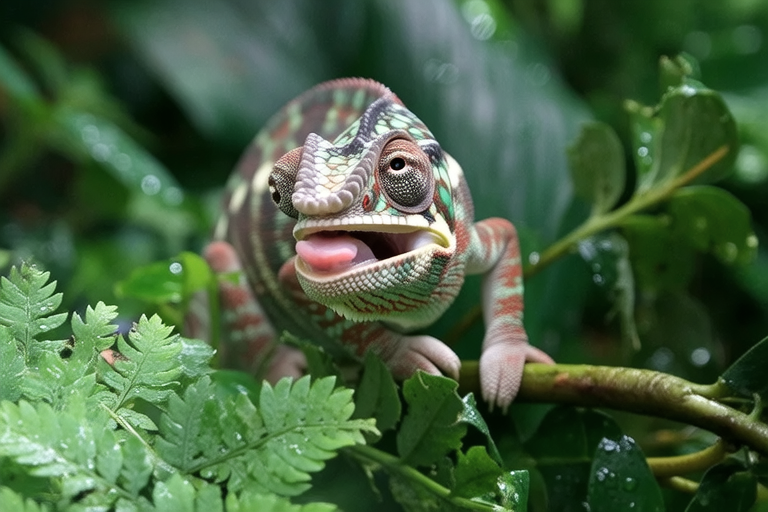
Why Are Chameleons So Misunderstood? Debunking the Top 5 Myths
Chameleons are some of the most fascinating reptiles on Earth, known for their remarkable ability to change color and their independently rotating eyes. These unique features have made them popular in popular culture, often depicted as magical or mystical creatures. However, these same traits have also led to numerous misconceptions about their behavior, physiology, and lifestyle. This article aims to explore why chameleons are so frequently misunderstood and to debunk the top five myths surrounding these captivating animals.
Unique Characteristics of Chameleons
The chameleon’s ability to alter its skin color is perhaps its most famous feature. This characteristic is not just for camouflage; it also serves various other purposes like temperature regulation and communication. Their eyes can rotate separately, allowing them to look in two different directions simultaneously, which is incredibly useful for spotting prey or potential threats. Additionally, their long, sticky tongues can extend up to twice the length of their bodies, making them efficient hunters. These unique attributes have captivated humans for centuries, yet they have also been the source of many myths.
Myth 1: Chameleons Change Color to Match Their Environment
Myth: One of the most common misconceptions about chameleons is that they change color to blend into their surroundings. This idea is reinforced by popular media, where chameleons are often shown changing colors to hide from predators or sneak up on prey.
Reality: While chameleons do indeed change color, it is not primarily for camouflage. Instead, this ability is used mainly for communication and thermoregulation. The process involves specialized cells called chromatophores, which contain pigments. By expanding or contracting these cells, chameleons can display a range of colors. For example, dark colors help them absorb heat, while lighter colors reflect sunlight, aiding in temperature control. They also use color changes to signal aggression, submission, or readiness to mate. According to Dr. Michele Johnson, a herpetologist at the University of California, Davis, “The color-changing behavior of chameleons is far more complex than simply blending into the background.”
Myth 2: Chameleons Can Only See in Two Directions at Once
Myth: Another prevalent myth is that chameleons can only see in two directions at once due to their independently rotating eyes. This belief suggests that they have limited depth perception and cannot focus on objects directly in front of them.
Reality: In fact, chameleons possess excellent depth perception when both eyes are focused on the same object. Their eyes are designed to rotate nearly 180 degrees, enabling them to scan their environment efficiently. When they need to focus on something specific, such as a distant insect, they align their eyes to create binocular vision. This capability allows them to judge distances accurately, which is crucial for capturing prey with their long tongues. Research conducted by Dr. Andrew Bartlett at the University of Manchester reveals that chameleons have highly developed visual systems that surpass those of many other reptiles.
Myth 3: Chameleons Can Live on a Diet of Vegetables
Myth: There is a widespread belief that chameleons can survive on a diet of vegetables, similar to herbivorous lizards. Some pet owners mistakenly feed their chameleons leafy greens, thinking it provides adequate nutrition.
Reality: Chameleons are strict insectivores and require a diet rich in proteins to thrive. Feeding them vegetables can lead to malnutrition and health issues. Their digestive system is not equipped to process plant matter effectively. A study published in the Journal of Herpetology emphasizes that a balanced diet of appropriately sized insects, supplemented with vitamins and minerals, is essential for maintaining their health. Experts recommend offering crickets, mealworms, and other small insects regularly.
Myth 4: Chameleons Have No Natural Predators
Myth: It is often assumed that chameleons have no natural predators because of their color-changing abilities and defensive postures. This notion implies that they are well-protected against most threats in their habitat.
Reality: Despite their adaptations, chameleons face several natural predators. Birds of prey, snakes, and larger mammals pose significant dangers, especially to juveniles and eggs. Their color-changing capabilities may offer some protection, but they are not foolproof. Many predators have learned to recognize the patterns associated with chameleon coloration. Conservation biologist Dr. Jane Goodall notes, “While chameleons have evolved impressive defense mechanisms, they are not immune to predation.”
Myth 5: Chameleons Can Survive Without Water
Myth: There is a misconception that chameleons can obtain all the moisture they need from the dew on leaves or by eating insects, thus eliminating the need for regular water intake.
Reality: Like any other animal, chameleons require access to clean water for hydration. While they can obtain some moisture from their food, it is insufficient to meet their daily needs. Inadequate hydration can lead to serious health problems, including kidney failure. Providing a shallow water dish or misting their enclosure regularly ensures they stay hydrated. Veterinarian Dr. Sarah Thompson advises, “Regular water supply is critical for the overall health and longevity of chameleons.”
Conclusion: The Importance of Understanding Chameleons Correctly
Understanding the true nature of chameleons is vital for their conservation and public appreciation. By dispelling these myths, we can foster a more accurate and respectful relationship with these incredible creatures. Proper education helps ensure that captive chameleons receive appropriate care, and it encourages responsible practices in the wild. Conservation efforts benefit greatly from accurate knowledge, as it guides effective strategies for protecting chameleon habitats and addressing threats like deforestation and climate change. Ultimately, appreciating chameleons for what they truly are enriches our connection with the natural world and promotes biodiversity.
