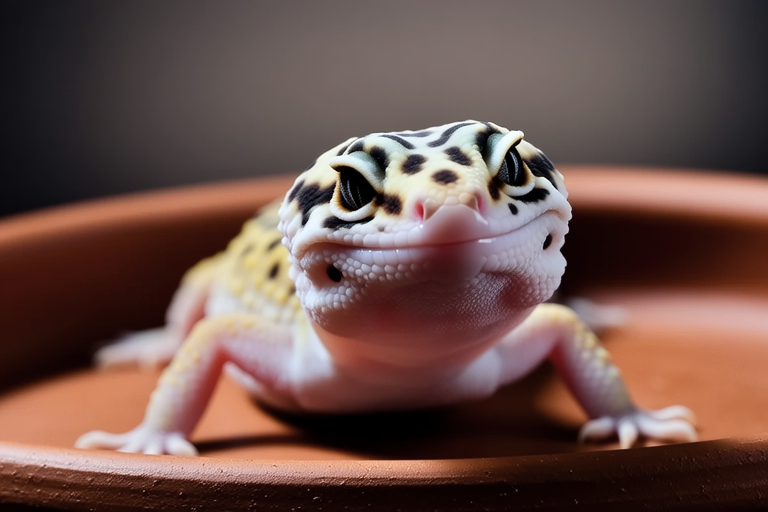
Top 10 Unique Traits of Leopard Geckos That Will Amaze You
Leopard geckos, scientifically known as Eublepharis macularius, are one of the most popular reptiles among hobbyists and enthusiasts. Their docile nature, ease of care, and striking appearance have made them a favorite choice for both first-time and seasoned reptile owners. These small lizards, native to the arid regions of Afghanistan, Pakistan, India, and Iran, offer a fascinating glimpse into the world of reptiles. With their distinctive spots and gentle demeanor, leopard geckos are not only visually appealing but also incredibly interesting creatures. In this article, we will explore the top 10 unique traits of leopard geckos that will surely amaze you.
1. Exceptional Camouflage
One of the most remarkable traits of leopard geckos is their exceptional camouflage ability. Their skin, covered in patterns resembling leopard spots, allows them to blend seamlessly into their natural habitat. This adaptation is crucial for their survival, as it helps them avoid predators and sneak up on prey. The geckos’ coloration can range from yellow and white to dark brown and black, depending on their environment. Their ability to change color slightly to match their surroundings further enhances their camouflage skills, making them nearly invisible to the naked eye.
2. Autotomy
Autotomy, or the ability to shed their tails, is another unique trait of leopard geckos. When threatened, these geckos can voluntarily detach their tails, which continue to wiggle and distract the predator while the gecko escapes. The detached tail eventually regenerates, though it may never fully regain its original appearance. This survival mechanism is particularly useful in the wild, where threats abound. However, it’s important for pet owners to be cautious, as handling stress or improper care can trigger this response unnecessarily.
3. Nocturnal Nature
Leopard geckos are primarily nocturnal creatures, meaning they are most active during the night. They spend their days hiding in burrows or under rocks to avoid the intense heat of the desert sun. Their eyes are adapted for low-light conditions, allowing them to see clearly even in near darkness. This nocturnal behavior not only helps them avoid predators but also makes them ideal pets for those who prefer to interact with their animals after work or school. Understanding their activity patterns can help owners create a more enriching environment for their geckos.
4. Viviparous Reproduction
Unlike many other reptiles that lay eggs, leopard geckos are viviparous, meaning they give birth to live young. This reproductive method offers several advantages, including better protection for the offspring. Female geckos carry their eggs internally until they hatch, ensuring a higher survival rate. Typically, a female leopard gecko can produce between 2 and 10 offspring per litter, with a gestation period of around 45 days. This unique reproductive strategy underscores the complexity and adaptability of these creatures.
5. Eardrums
While many reptiles lack external ear structures, leopard geckos possess eardrums, or tympanic membranes, which allow them to hear sounds. This auditory capability is rare among reptiles and highlights the sophistication of their sensory systems. Leopard geckos can detect vibrations and sound waves, which they use to navigate their environment and communicate with others of their kind. This feature adds to their charm and makes them more interactive pets, as they can respond to their owners’ voices and movements.
6. Tail Storage
Leopard geckos have the remarkable ability to store fat in their tails. This biological adaptation serves as a vital energy reserve, enabling the gecko to survive periods of food scarcity. The tail’s plumpness indicates the gecko’s health and well-being. Owners should monitor their gecko’s tail to ensure it remains healthy and properly nourished. If the tail appears shriveled or thin, it could indicate malnutrition or dehydration, prompting immediate attention.
7. Viviparous Behavior
In addition to their unique reproductive method, leopard geckos exhibit interesting parental behaviors. After giving birth, mother geckos often remain close to their offspring, providing protection and sometimes even assisting in finding food. This nurturing instinct showcases the emotional depth of these reptiles and adds to their appeal as pets. Observing these behaviors can be rewarding for owners who take the time to understand their geckos’ needs.
8. Diverse Diet
Leopard geckos are insectivores, feeding mainly on crickets, mealworms, and other small insects. Their diet is diverse and adaptable, allowing them to thrive in various environments. In captivity, it’s essential to provide a balanced diet rich in nutrients to support their growth and health. Offering a variety of prey items ensures that your gecko receives all necessary vitamins and minerals. Additionally, supplementing their diet with calcium and vitamin D3 can prevent nutritional deficiencies.
9. Color Morphs
One of the most captivating aspects of leopard geckos is their wide array of color morphs. Breeders have developed numerous variations through selective breeding, resulting in geckos with vibrant colors and unique patterns. From albino to high contrast, there are countless morphs available, each with its own distinctive appearance. These morphs make leopard geckos highly desirable pets, offering something for every taste. Exploring the different morphs can be an exciting journey for any reptile enthusiast.
10. Low Maintenance
Despite their fascinating traits, leopard geckos are relatively low-maintenance pets. Their simple housing requirements, consisting of a terrarium with appropriate substrate, hiding spots, and temperature gradients, make them suitable for beginners. Additionally, their easy-to-meet dietary needs and minimal space requirements contribute to their popularity. Proper care, however, is still essential to ensure their well-being. Regular cleaning, monitoring of environmental conditions, and attentive observation of their behavior are key to maintaining a healthy gecko.
Caring for Your Leopard Gecko
If you’re considering adopting a leopard gecko, here are some tips to help you provide the best care:
- Housing: Provide a spacious terrarium with secure ventilation and a temperature gradient. Ensure the enclosure is escape-proof and has enough hiding spots for your gecko to feel safe.
- Temperature and Humidity: Maintain a warm basking spot (around 90°F) and cooler areas (around 75°F). Keep humidity levels moderate to prevent respiratory issues.
- Diet: Feed your gecko a varied diet of gut-loaded insects. Offer supplements to ensure they receive adequate nutrition.
- Handling: Handle your gecko gently and frequently to build trust. Always wash your hands before and after handling to maintain hygiene.
- Veterinary Care: Schedule regular check-ups with a veterinarian specializing in reptiles to monitor your gecko’s health.
By following these guidelines, you can enjoy a long and rewarding relationship with your leopard gecko. Whether you’re a seasoned reptile owner or a first-time keeper, these fascinating creatures offer endless opportunities for learning and enjoyment.
