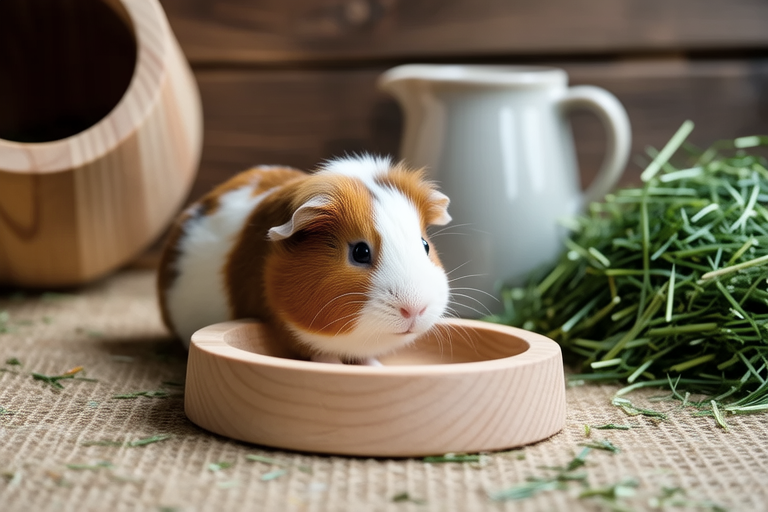
Step-by-Step Guide to Setting Up the Perfect Habitat for Your Guinea Pig
Welcome to your comprehensive guide on creating the perfect habitat for your beloved guinea pig. This guide will walk you through every step of setting up a safe, stimulating, and comfortable environment that ensures your pet’s well-being. Whether you’re a first-time or experienced owner, this guide will provide valuable insights to help you create an ideal living space for your guinea pig.
Selecting an Appropriate Cage Size
The first and most crucial step in setting up your guinea pig’s habitat is choosing the right cage. Guinea pigs need ample space to move around freely and exercise, which is essential for their physical and mental health. A minimum cage size of 7.5 square feet (75×48 inches) is recommended for one guinea pig, and if you have two or more, consider a larger space to allow them to socialize without feeling cramped.
Ensure the cage has a solid bottom to prevent injury from wire flooring. Additionally, look for a cage with easy access for cleaning and feeding. Wire cages can be dangerous as they may trap paws or cause injuries. Opt for a cage with a secure lid or door to prevent escapes and protect your pet from predators.
Bedding Options
Choosing the right bedding is vital for your guinea pig’s comfort and health. Opt for dust-free, absorbent materials like paper-based bedding, fleece, or wood shavings. Avoid cedar and pine shavings, as they can cause respiratory issues due to their aromatic oils. Change the bedding regularly to maintain hygiene and prevent odors.
To ensure proper drainage and reduce the risk of wet bedding, place a layer of newspaper at the bottom of the cage before adding the main bedding material. This helps absorb any spills and keeps the bedding dry. Fleece liners are another excellent option, providing warmth and comfort while being easy to clean.
Temperature and Lighting Requirements
Guinea pigs thrive in temperatures between 65°F and 75°F (18°C to 24°C). They are sensitive to extreme temperatures, so it’s important to keep their living area within this range. Avoid placing the cage near windows or drafty areas where temperatures may fluctuate.
Provide adequate lighting to promote natural circadian rhythms. Guinea pigs are crepuscular animals, meaning they are most active during dawn and dusk. Ensure they have access to natural light during these times, but avoid direct sunlight, which can lead to overheating. If your guinea pig’s living area lacks natural light, use full-spectrum bulbs to simulate daylight.
Necessary Toys and Hiding Spots
Toys and hiding spots are essential for keeping your guinea pig mentally stimulated and physically active. Provide tunnels, chew toys, and cardboard boxes for exploration and play. These items encourage natural behaviors such as chewing, digging, and exploring.
Chew toys are particularly important as they help wear down your guinea pig’s continuously growing teeth. Wooden chews, untreated wicker baskets, and hay balls are excellent choices. Ensure all toys are safe and free from small parts that could pose choking hazards.
Hiding spots offer security and comfort, allowing your guinea pig to retreat when feeling stressed or overwhelmed. Cardboard boxes, tunnels, and igloos are popular options. Place these in different areas of the cage to give your pet multiple options for relaxation.
Feeding Areas
Designate a specific area within the cage for feeding to establish a routine and make mealtime enjoyable. Use a sturdy bowl that is easy for your guinea pig to reach and clean. Position the bowl away from the bedding to prevent contamination and ensure fresh food at each meal.
Provide unlimited access to high-quality hay, which is essential for digestive health. Timothy hay is the most common choice, but other grass hays like orchard grass and oat hay are also suitable. Supplement the diet with a variety of fresh vegetables and fruits, ensuring a balanced intake of nutrients.
Consider using a separate dish for pellets and treats to avoid overfeeding. Pellets should be provided in limited quantities to maintain a healthy weight. Treats, such as small pieces of apple or carrot, can be offered as occasional rewards.
Maintaining Cleanliness
Regular cleaning is crucial to maintaining a hygienic and pleasant living environment for your guinea pig. Remove soiled bedding daily and spot-clean any accidents immediately. Perform a thorough cleaning of the entire cage once a week, including washing and sanitizing all accessories.
Use mild, pet-safe cleaners and rinse thoroughly to remove any residues. Allow the cage to air dry completely before replacing the bedding and accessories. This prevents the growth of harmful bacteria and ensures a fresh-smelling habitat.
Rotate toys and accessories periodically to keep your guinea pig interested and engaged. This also allows for thorough cleaning of each item, ensuring a consistently clean and safe environment.
Tips for Ensuring Safety, Stimulation, and Comfort
Creating a safe, stimulating, and comfortable habitat for your guinea pig requires attention to detail and regular maintenance. Here are some additional tips:
- Supervise Introductions: When introducing new toys or changes to the habitat, supervise your guinea pig to ensure they are comfortable and safe. Monitor their behavior for signs of stress or discomfort.
- Provide Fresh Water: Always provide fresh water in a spill-proof bottle or bowl. Check the water level regularly and clean the bottle or bowl daily to prevent bacterial growth.
- Monitor Health: Regularly check your guinea pig for signs of illness or distress, such as changes in appetite, activity levels, or appearance. Consult a veterinarian if you notice any concerning symptoms.
- Exercise: Encourage exercise by providing a large cage and opportunities for supervised play outside the cage. Rotate toys and accessories to keep your guinea pig engaged and active.
- Quiet Environment: Create a quiet, low-stress environment by minimizing noise and disturbances. Guinea pigs are sensitive to loud noises and sudden movements, which can cause stress.
By following these steps and tips, you can create a safe, stimulating, and comfortable habitat for your guinea pig. Remember that every guinea pig is unique, so observe your pet’s preferences and adjust the habitat accordingly. With proper care and attention, your guinea pig will enjoy a happy and healthy life in its perfect home.
