From Finding Nemo to Reality: The True Life of Clownfish
When Pixar’s “Finding Nemo” hit theaters in 2003, it captured hearts worldwide with its endearing story of a clownfish named Marlin searching for his son, Nemo. The film’s vivid animation and lovable characters brought the ocean’s wonders to the forefront of popular culture, particularly focusing on the vibrant world of clownfish. This iconic portrayal not only entertained but also significantly influenced public perception, turning clownfish into one of the most recognized marine species. However, beyond the animated realm, clownfish have a fascinating real-life story filled with intricate biology, remarkable survival strategies, and urgent conservation needs.
The Iconic Portrayal and Its Impact
The movie depicted clownfish as cheerful companions thriving in the safety of sea anemones. This image resonated with audiences, painting a picture of a peaceful underwater world where clownfish live harmoniously. While this portrayal simplified the complex reality, it sparked widespread interest in marine life, encouraging people to learn more about these colorful fish and their natural habitats.
The Biology of Clownfish
Habitat
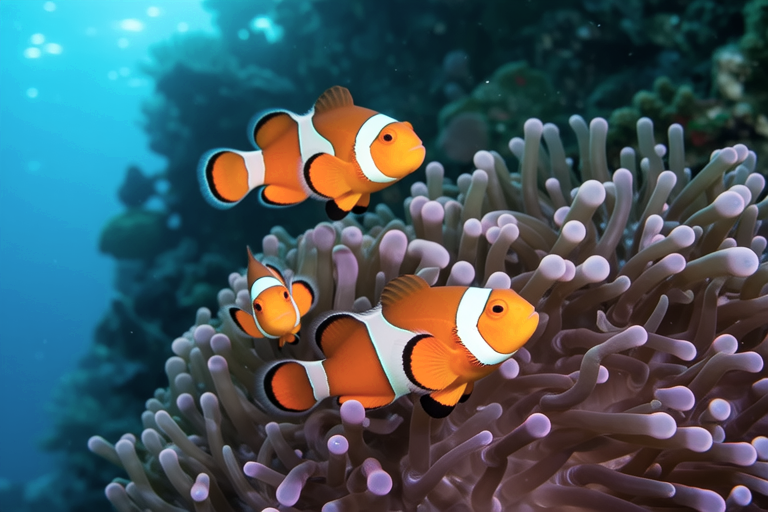
Clownfish, belonging to the genus Amphiprion, inhabit tropical waters across the Indian and Pacific Oceans. They are primarily found in coral reefs, where they seek shelter among the tentacles of sea anemones. These reefs provide the ideal environment, rich in biodiversity and offering ample food sources and protection from predators.
Diet
Clownfish are omnivorous, feeding on algae, plankton, and small invertebrates. Their diet is diverse, allowing them to adapt to different conditions within their habitat. This adaptability is crucial for their survival, especially given the changing nature of their reef environments.
Symbiotic Relationship with Sea Anemones
The relationship between clownfish and sea anemones is one of the most well-known examples of mutualism in the animal kingdom. Clownfish are immune to the stinging cells of the anemone due to a protective mucus layer on their skin, which they acquire after repeated contact with the anemone. In return, clownfish protect the anemone from predators and parasites, and their waste provides nutrients that benefit the anemone. This symbiotic partnership is vital for both species, enhancing their chances of survival in the challenging reef ecosystem.
Reproductive Behaviors
Clownfish exhibit a unique reproductive strategy known as sequential hermaphroditism. All clownfish start their lives as females. As they mature, the largest female in a group becomes the dominant breeding female, while the second-largest individual transitions into a male. If the dominant female dies, the male then undergoes a transformation to become the new breeding female. This adaptation ensures the continuity of reproduction within the group, maximizing genetic diversity.
Challenges in the Wild
Environmental Changes
One of the greatest threats to clownfish is the degradation of their coral reef habitats due to climate change. Rising ocean temperatures cause coral bleaching, leading to the death of corals and the loss of critical clownfish habitats. Additionally, ocean acidification, caused by increased carbon dioxide absorption, weakens the calcium carbonate structures of corals, further endangering the health of these ecosystems.
Overfishing for the Aquarium Trade
Another significant challenge is the demand for clownfish in the aquarium trade. Their popularity has led to overfishing, depleting local populations and disrupting natural reef dynamics. Sustainable practices and responsible sourcing are essential to mitigate these impacts and ensure the long-term survival of clownfish populations.
Conservation Efforts
Recognizing the importance of clownfish and their habitats, various conservation initiatives are underway. Organizations like the World Wildlife Fund (WWF) and the Coral Reef Alliance work to protect marine environments through education, research, and community involvement. These efforts focus on promoting sustainable fishing practices, reducing pollution, and combating climate change.
How You Can Help
There are several ways individuals can contribute to the protection of clownfish:
- Support Sustainable Practices: Choose sustainably sourced seafood and support businesses that practice eco-friendly fishing methods.
- Reduce Your Carbon Footprint: By decreasing energy consumption and using renewable resources, you can help combat climate change and preserve marine ecosystems.
- Educate Others: Share knowledge about clownfish and the importance of marine conservation with friends and family. Awareness is key to fostering a global commitment to protecting these species.
- Participate in Clean-Up Initiatives: Join local beach clean-ups and recycling programs to reduce plastic waste that often ends up in the ocean.
In conclusion, while “Finding Nemo” introduced many to the world of clownfish, their true life story is far richer and more complex. From their unique biology to the challenges they face in the wild, clownfish are fascinating creatures deserving of our attention and protection. By understanding and supporting conservation efforts, we can help ensure that these vibrant fish continue to thrive in their natural habitats for generations to come.
