Unraveling the Secrets of the Chilean Rose Tarantula: The Perfect Pet for Arachnid Enthusiastes
The Chilean rose tarantula, scientifically known as Grammostola rosea, is one of the most popular choices among arachnid enthusiasts. With its striking appearance and relatively low maintenance requirements, it’s no wonder that this spider has captured the hearts of many pet owners. This article will delve into the unique characteristics of the Chilean rose tarantula, its care requirements, temperament, potential health issues, legal considerations, and provide valuable tips for new owners.
Unique Characteristics and Appearance
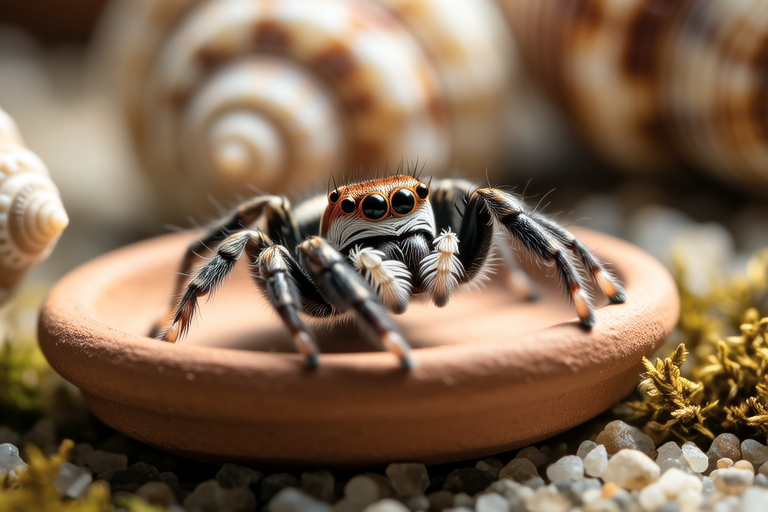
The Chilean rose tarantula is easily recognizable by its distinctive coloration, which ranges from a dusty pink to a deep reddish-brown. Their legs are often adorned with dark bands, creating a striking contrast against their body. These spiders are medium-sized, typically reaching lengths of about 4 to 6 inches. Males are generally smaller than females and have more slender bodies. One of the most fascinating aspects of the Chilean rose tarantula is its ability to change color slightly depending on its mood or environment. When threatened, they may darken their color to appear larger and more intimidating.
Care Requirements
Habitat Setup
Creating an appropriate habitat is crucial for the well-being of your Chilean rose tarantula. A terrarium measuring at least 10 gallons (approximately 38 liters) is recommended for adult specimens. The enclosure should be equipped with a secure lid to prevent escapes. Providing ample space allows the tarantula to establish territories and feel secure. Substrate is another important aspect; coconut fiber or peat moss works well, as it retains moisture and mimics natural ground cover. It’s essential to keep the substrate moist but not soggy to maintain proper humidity levels.
Temperature and Humidity
Maintaining optimal temperature and humidity levels is vital for the health of your Chilean rose tarantula. The ideal temperature range for these spiders is between 75°F and 85°F (24°C to 29°C). A heat mat placed underneath one side of the enclosure can help achieve this, allowing for a temperature gradient within the habitat. Humidity should be kept around 60% to 70%, which can be maintained through regular misting and ensuring proper ventilation.
Diet
Feeding your Chilean rose tarantula is straightforward. In the wild, they primarily feed on insects such as crickets, mealworms, and cockroaches. In captivity, a varied diet consisting of appropriately sized insects is recommended. Feed juveniles every 5-7 days, while adults can be fed less frequently, approximately once a week. Always ensure that the prey item is smaller than the width of the tarantula’s abdomen to avoid digestion complications. Remove any uneaten prey after a day to prevent contamination of the enclosure.
Temperament and Interaction Potential
The Chilean rose tarantula is renowned for its docile nature, making it an excellent choice for handling. They are generally calm and do not react aggressively unless provoked. However, it’s important to handle them gently and with care. Using a soft paintbrush or tongs can help transfer the spider from its enclosure to a safe handling area. Over time, some individuals may become more accustomed to human interaction, but it’s crucial to respect their boundaries and avoid excessive handling.
Common Health Issues and Prevention
Like any pet, the Chilean rose tarantula is susceptible to certain health issues. One common problem is dehydration, which can occur if the humidity levels in the enclosure are too low. Ensuring proper humidity and providing a water dish filled with dechlorinated water can help prevent this. Another issue is mites, tiny parasites that can infest the spider’s enclosure. Regular cleaning and maintaining hygiene standards are key to preventing mite outbreaks. Additionally, overfeeding can lead to obesity and digestive problems. Feeding the correct amount and variety of food is essential for their overall health.
Legal Considerations
Before bringing home a Chilean rose tarantula, it’s important to check local regulations regarding exotic pets. Some regions may have restrictions or require permits for keeping certain species. For example, in the United States, laws vary by state, with some areas requiring a permit or license to own a tarantula. Always research and comply with local laws to ensure a smooth and legal ownership experience.
Tips for New Owners
- Research Thoroughly: Before acquiring a Chilean rose tarantula, take the time to learn about its specific needs and behaviors. Understanding their care requirements will help you provide the best possible environment for your pet.
- Prepare Properly: Set up the enclosure correctly before bringing your tarantula home. Ensure all equipment, including heating and lighting, is functioning properly.
- Monitor Carefully: Keep a close eye on your tarantula’s behavior and health. Any changes in appetite, activity level, or appearance could indicate a problem that needs attention.
- Be Patient: Establishing trust and understanding with your tarantula takes time. Be patient and gentle during interactions.
Why the Chilean Rose Tarantula is Ideal for Arachnid Enthusiasts
The Chilean rose tarantula is an ideal pet for both beginners and experienced arachnid enthusiasts due to its manageable size, docile temperament, and relatively simple care requirements. Its beauty and unique characteristics make it a captivating subject for observation. Moreover, the Chilean rose tarantula’s adaptability to various environments and its ability to thrive in captivity make it a rewarding companion for those passionate about arachnids.
In conclusion, the Chilean rose tarantula offers a fascinating and enriching experience for anyone interested in keeping exotic pets. By understanding and meeting their care needs, you can ensure a long and healthy relationship with your eight-legged friend. Whether you’re a seasoned spider owner or just starting out, the Chilean rose tarantula is sure to bring joy and wonder into your life.
