Adventures in Miniature: How Hermit Crabs Can Teach Us About Home Sweet Shell
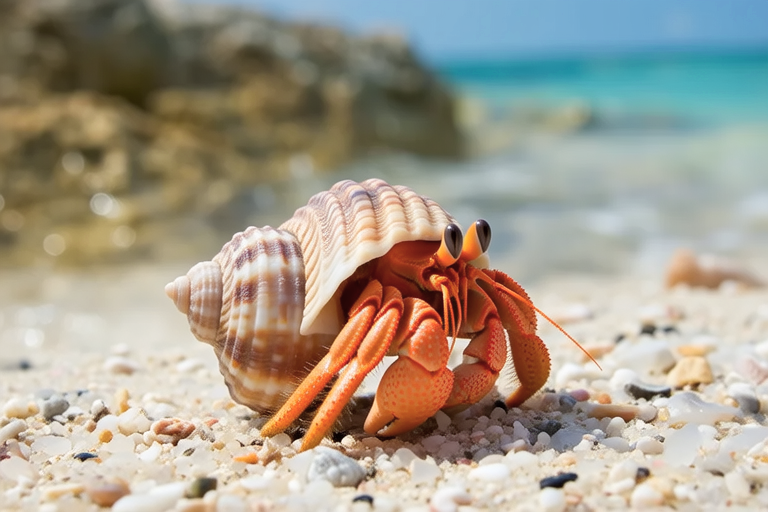
Hermit crabs are among the most fascinating creatures in the animal kingdom, not only for their unique appearance but also for their peculiar lifestyle. These small, terrestrial crustaceans have adapted to live inside discarded mollusk shells, a practice that has intrigued scientists and nature enthusiasts alike. The hermit crab’s relationship with its shell is more than just shelter; it’s a profound reflection of the creature’s identity, comfort, and security. In this article, we will explore the world of hermit crabs and uncover the lessons they can teach us about our own homes.
The Unique Housing Habits of Hermit Crabs
Hermit crabs are born without shells, and as they grow, they must find a new home that fits their expanding bodies. This quest for the perfect shell is both an adventure and a necessity. Unlike many other animals, hermit crabs do not build their own homes; instead, they rely on the discarded shells of marine gastropods. These shells provide protection from predators and harsh environmental conditions, making them crucial to the crab’s survival.
As hermit crabs grow, they outgrow their current shell, and the need for a larger one becomes urgent. This process, known as molting, involves shedding the exoskeleton and growing a new one. During this vulnerable period, hermit crabs must find a new shell to inhabit immediately after molting. Their search often leads them to engage in what seems like a complex social interaction with other hermit crabs, exchanging shells when one finds a better fit.
Customization and Personalization of Shells
Once a hermit crab finds a suitable shell, it doesn’t stop there. These industrious creatures take time to customize their new home, ensuring it meets their specific needs. They may add small rocks or pieces of coral to stabilize the shell, preventing it from tipping over. Some hermit crabs even decorate their shells with algae or bits of seaweed, creating a personalized look that reflects their individuality.
This behavior is particularly interesting because it mirrors human practices of decorating and personalizing our homes. Just as humans choose furniture, paint colors, and decor items to make their living spaces feel more like themselves, hermit crabs tailor their shells to suit their tastes and needs. This customization process not only enhances the functionality of the shell but also adds a layer of comfort and security for the crab.
Parallels Between Hermit Crabs and Humans
The concept of home is deeply intertwined with ideas of comfort, security, and identity. For hermit crabs, the shell represents more than just a place to live; it’s a sanctuary that reflects their individuality and provides a sense of safety. Similarly, humans seek homes that resonate with their personal style and values. A well-chosen home can significantly impact one’s mental and emotional well-being, much like the right shell does for a hermit crab.
Studies have shown that hermit crabs exhibit clear preferences when selecting shells. They often inspect several options before making a decision, evaluating factors such as size, shape, and weight. This careful consideration underscores the importance of finding a home that fits perfectly, both physically and emotionally. Just as hermit crabs prioritize comfort and security, humans too strive to create living spaces that enhance their quality of life.
Anecdotes and Studies on Shell Selection
One fascinating study observed hermit crabs in a controlled environment where various shell sizes and types were available. Researchers noted that crabs would sometimes reject shells that were slightly larger if they didn’t meet their aesthetic or functional criteria. This behavior suggests that hermit crabs have a sophisticated understanding of what constitutes a good home, going beyond mere size to consider other important factors.
Anecdotal evidence from pet owners also highlights the discerning nature of hermit crabs. Many report that their crabs will spend hours exploring potential new shells, often rejecting those that don’t align with their preferences. One owner shared that her crab would consistently choose shells with a particular color pattern, indicating a level of personal preference that goes beyond basic survival needs.
Lessons from Hermit Crabs
The journey of a hermit crab in finding and customizing its shell offers valuable lessons for humans. First and foremost, it teaches us the importance of adaptability. Hermit crabs must constantly adjust to new environments and circumstances, finding ways to thrive despite challenges. This resilience is a trait that humans can learn from, especially in today’s rapidly changing world.
Secondly, hermit crabs remind us that a comfortable living space is essential for well-being. Whether it’s a cozy apartment or a spacious house, the environment we live in plays a significant role in our happiness and health. By prioritizing comfort and personalization, we can create spaces that truly feel like home.
Finally, hermit crabs demonstrate that ‘home’ is more than just a physical place; it’s a reflection of its inhabitant. The way we decorate and arrange our living spaces speaks volumes about who we are and what we value. In this sense, our homes become extensions of ourselves, offering a glimpse into our personalities and lifestyles.
Conclusion
In the miniature world of hermit crabs, the search for the perfect shell is a journey of self-discovery and adaptation. Through their quest for comfort, security, and personalization, these tiny creatures offer profound insights into the human concept of home. As we reflect on our own living spaces, let us remember the lessons taught by hermit crabs: the importance of adaptability, the value of a comfortable environment, and the notion that ‘home sweet home’ is more than just a physical place but a reflection of its inhabitant.
