Dutch Dwarf Rabbits Unleashed: The Complete Care Manual for Happy Hoppers
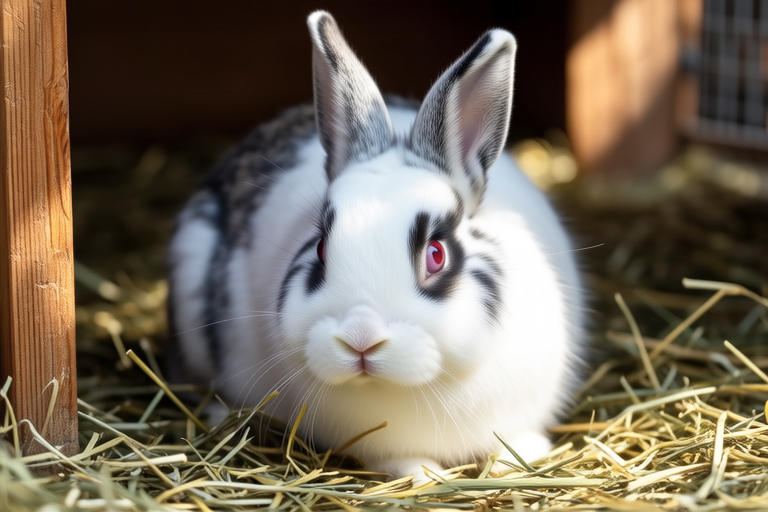
Welcome to the world of Dutch Dwarf rabbits, one of the most popular and charming small breeds in the rabbit kingdom. These delightful creatures have captured the hearts of many pet lovers due to their compact size, gentle nature, and striking appearance. Dutch Dwarfs are known for their distinctive coat patterns, which include a white blaze extending down their nose, chest, and belly, contrasting beautifully with their colored points—ears, back, and tail. Their compact size makes them ideal for apartment living, while their playful demeanor ensures they remain a joy to watch and interact with.
Dietary Needs: Fueling Your Rabbit’s Joy
Proper nutrition is essential for maintaining the health and happiness of your Dutch Dwarf rabbit. A balanced diet should consist primarily of hay, fresh vegetables, and a measured amount of pellets. Timothy hay is highly recommended as it aids in dental health and digestion. Alfalfa hay can be given in moderation, especially for younger rabbits, but it should be limited for adult rabbits due to its high calcium content.
Variety is key when it comes to vegetables. Dark leafy greens like romaine lettuce, kale, and spinach are excellent choices. Remember to introduce new foods gradually to avoid digestive upset. Avoid feeding iceberg lettuce and certain vegetables that can cause gas or diarrhea, such as beans and onions. Pellets should be high-quality and formulated for dwarf rabbits, providing necessary nutrients without excess calories.
Housing Requirements: Creating a Comfortable Home
Adequate housing is crucial for the well-being of your Dutch Dwarf rabbit. A spacious cage measuring at least 30 inches long, 24 inches wide, and 20 inches high provides ample room for movement and exercise. The cage should be equipped with a solid floor to prevent injury from wire mesh floors. Bedding materials like straw or paper-based products are preferable over wood shavings, which can irritate the respiratory system.
Environmental enrichment is vital to keep your rabbit mentally stimulated. Providing tunnels, toys, and chew sticks can help alleviate boredom and promote natural behaviors. Additionally, ensure your rabbit has access to a safe, enclosed area for supervised playtime outside the cage. This helps them get the exercise they need and strengthens the bond between you and your pet.
Health Care Essentials: Keeping Your Rabbit Healthy
Regular veterinary check-ups are essential for early detection and prevention of common diseases. Dutch Dwarfs are generally healthy, but they can be prone to certain conditions such as dental issues, respiratory infections, and gastrointestinal stasis. Regular teeth trimming by a veterinarian can prevent painful dental problems. Vaccinations are typically not required unless your rabbit will be exposed to other animals or travel frequently.
Grooming your rabbit is another important aspect of care. Brushing their coat regularly helps remove loose fur and prevents hairballs. Bathing should be avoided unless absolutely necessary, as it can stress your rabbit and disrupt their natural oils. Instead, focus on keeping their living environment clean and hygienic.
Behavioral Patterns and Socialization: Understanding Your Rabbit
Dutch Dwarf rabbits are curious and social animals that thrive on interaction with their human companions. They enjoy being handled gently and can become very attached to their owners. Early socialization is key to ensuring your rabbit is comfortable around people and other pets. Positive reinforcement training techniques can be used to teach your rabbit basic commands and tricks, enhancing the bond between you.
Understanding your rabbit’s body language is crucial for effective communication. Signs of contentment include relaxed ears and a calm posture, while signs of distress may include flattened ears, hiding, or aggressive behavior. Always approach your rabbit calmly and give them time to adjust to new situations.
Adopting Responsibly: Finding Your Perfect Rabbit
Whether you choose to adopt from a shelter or purchase from a reputable breeder, selecting the right rabbit is an important decision. Shelters often have a variety of rabbits available, including those that may need extra care or attention. Adopting from a shelter can be a rewarding experience, giving a second chance to a deserving animal.
When purchasing from a breeder, ensure they follow ethical breeding practices and provide health guarantees. Reputable breeders will also offer guidance on proper care and handling. Regardless of where you acquire your rabbit, always consider the long-term commitment involved in caring for a pet. Dutch Dwarf rabbits can live up to ten years, so it’s important to be prepared for this responsibility.
In conclusion, Dutch Dwarf rabbits are delightful companions that bring joy and companionship to their owners. By providing a nutritious diet, appropriate housing, regular health care, and plenty of love and attention, you can ensure your rabbit leads a happy and healthy life. Whether you’re a first-time rabbit owner or an experienced caretaker, the rewards of sharing your home with a Dutch Dwarf rabbit are immeasurable.
