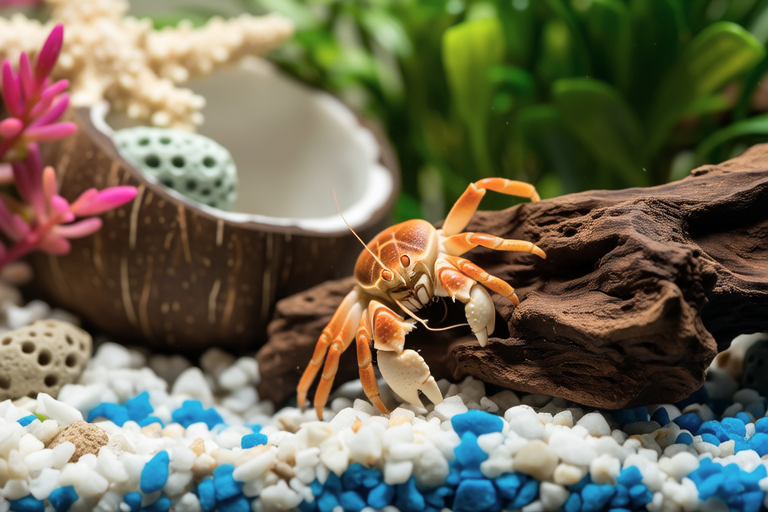
DIY Hermit Crab Habitat: How to Create a Perfect Home for Your Shelly Friend
Welcome to your guide on creating the perfect habitat for your hermit crab! Hermit crabs are fascinating creatures that require specific conditions to thrive. This comprehensive guide will walk you through everything you need to know about setting up a suitable home for your shelly friend.
Essential Elements for Hermit Crab Care
Before diving into the specifics of habitat creation, it’s important to understand the basic needs of hermit crabs. They are tropical animals that require warmth, humidity, and plenty of space to move around. Additionally, they need access to fresh and saltwater, as well as various shells for molting.
Substrate Selection and Setup
The substrate is the foundation of your hermit crab habitat. It provides a place for your crabs to dig, burrow, and hide. A mix of coconut fiber and play sand works best. Coconut fiber retains moisture better than sand, and sand allows your crabs to burrow deeper. Avoid using gravel or wood chips, as these can be harmful if ingested.
To set up the substrate, start by layering the coconut fiber at the bottom of the tank, followed by a layer of sand. The total depth should be about 3-4 inches to provide ample digging space.
Appropriate Tank Size
Adequate space is crucial for your hermit crabs’ physical and mental health. A minimum tank size of 10 gallons per crab is recommended. However, larger tanks are preferable as they allow more room for exploration and reduce stress levels. Ensure the tank has a secure lid to prevent escapes.
Temperature and Humidity Control
Hermit crabs originate from tropical environments, so maintaining the right temperature and humidity levels is vital. Aim for temperatures between 75°F and 85°F (24°C and 29°C). Use a digital thermometer to monitor these conditions.
Humidity should be kept between 70% and 80%. Achieve this by misting the tank daily and ensuring there are plenty of water sources available. A hygrometer can help you measure the humidity accurately.
Proper Ventilation
Good air circulation is essential for preventing mold growth and maintaining optimal humidity levels. Ensure the tank has adequate ventilation by using a mesh lid or drilling small holes in the sides. However, avoid drafts, as they can cause fluctuations in temperature and humidity.
Necessary Decorations for Climbing and Hiding
Hermit crabs love to climb and explore, so providing various climbing structures is important. Branches, driftwood, and cork bark make excellent additions to the habitat. Ensure these items are securely fastened to prevent falls. Additionally, include several hiding spots made from coconut huts, caves, or even inverted flower pots.
Water Dish Requirements
Hermit crabs need both fresh and saltwater dishes. The fresh water dish should be filled with dechlorinated water and changed regularly. For saltwater, use marine aquarium salt mixed according to package instructions. Change both water dishes every few days to maintain cleanliness.
Variety of Shell Options
Shells are crucial for hermit crabs, as they molt and require new shells for protection. Offer a variety of sizes and shapes to accommodate different crabs. Ensure the shells are clean and free from chemicals. Rotate the shell collection periodically to keep things interesting.
Maintaining a Clean Habitat
A clean habitat is key to your hermit crabs’ health. Regularly remove uneaten food, shed exoskeletons, and any debris. Spot clean the substrate weekly and perform a deep clean every few months. During deep cleaning, replace the substrate and thoroughly disinfect all accessories.
Regular Maintenance Tips
- Check water dishes daily and refill as needed.
- Monitor temperature and humidity levels frequently.
- Inspect the habitat for signs of mold or mildew.
- Replace old or damaged decorations.
- Ensure all equipment, such as heaters and humidifiers, are functioning properly.
Signs of a Healthy Hermit Crab
Healthy hermit crabs are active, alert, and show interest in their surroundings. Their exoskeletons should be smooth and shiny, without any discoloration or damage. They should eat regularly and molt periodically. If you notice any unusual behavior or physical changes, consult a veterinarian specializing in exotic pets.
Gradual Acclimation to New Environments
When introducing your hermit crabs to a new habitat, it’s essential to acclimate them gradually. Place the crabs in a separate container with the same substrate and conditions as their current home. Gradually introduce elements from the new habitat over several days. This process helps minimize stress and allows your crabs to adjust comfortably.
Mimicking Natural Tropical Environment
To ensure your hermit crabs feel at home, mimic their natural tropical environment as closely as possible. Use heat lamps or under-tank heaters to maintain consistent temperatures. Incorporate live plants for added humidity and visual appeal. Consider adding a UVB light for additional warmth, but always consult with a hermit crab expert before implementing.
By following these guidelines, you’ll create a thriving environment for your hermit crabs. Remember, patience and attention to detail are key when caring for these unique creatures. With proper care, your hermit crabs will lead happy, healthy lives in their new home.
