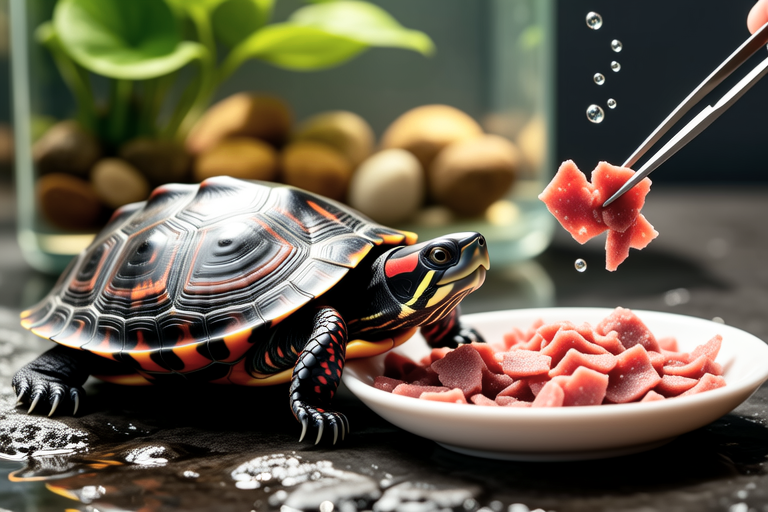
The Ultimate Guide to Feeding Your Red-eared Slider: Myths vs Facts
Red-eared sliders (Trachemys scripta elegans) are one of the most popular pet turtle species worldwide. Known for their striking appearance and relatively low maintenance, these semi-aquatic turtles have specific dietary needs that are crucial for their health and longevity. Proper nutrition ensures that your slider maintains optimal growth, energy levels, and overall well-being. However, there are many misconceptions about what and how much to feed them. This guide aims to dispel common myths and provide accurate, science-backed facts about feeding your red-eared slider.
Understanding the Nutritional Needs of Red-Eared Sliders
Red-eared sliders are omnivores, meaning they require a balanced diet of animal-based proteins and plant matter. Their nutritional requirements change as they grow from juveniles to adults. Juveniles need more protein for growth, while adult sliders benefit from a higher proportion of vegetation to maintain their weight.
- Protein: Essential for muscle development and repair, especially important during the growing stages.
- Vegetables: Provides fiber, vitamins, and minerals necessary for digestive health and overall vitality.
- Vitamins and Minerals: Calcium for shell strength, vitamin A for vision, and other nutrients for immune function.
Common Myths About Feeding Red-Eared Sliders
Many turtle owners hold onto certain beliefs regarding their pets’ feeding habits, which can lead to improper care and potential health issues.
Myth 1: Red-eared Sliders Can Eat Anything
While it’s true that red-eared sliders are opportunistic feeders, this doesn’t mean they should consume just any food. Offering inappropriate items like bread, junk food, or toxic plants can cause digestive problems, obesity, and malnutrition.
Myth 2: Minimal Food Equals Healthy Turtles
Some believe that feeding sparingly will prevent overeating and subsequent health problems. However, underfeeding can lead to malnutrition, weakened immune systems, and stunted growth. It’s essential to strike a balance between providing adequate nutrition and preventing overconsumption.
Factual Information on Nutritional Requirements
To ensure your red-eared slider receives all necessary nutrients, consider the following guidelines:
- Protein Sources: Include high-quality commercial pellets, earthworms, crickets, and occasional feeder fish.
- Vegetables and Fruits: Offer leafy greens like romaine lettuce, kale, and dandelion greens, along with occasional treats of fruits such as strawberries or blueberries.
- Vitamin Supplements: Consider adding calcium and multivitamin supplements to their diet to support bone health and overall well-being.
Aim for a ratio of 70% plant matter and 30% protein for adults, adjusting proportions based on age and activity level.
The Importance of Varied Diets, Suitable Feeding Schedules, and Portion Control
Feeding your red-eared slider a diverse diet ensures they receive all necessary nutrients without relying heavily on a single food source. Introduce new foods gradually to monitor for allergic reactions or digestive issues.
Establish a regular feeding schedule to promote consistent eating habits. Feed juveniles daily and adults every two to three days. Overfeeding can result in obesity, while underfeeding may lead to deficiencies.
Portion control is vital; aim for no more than 10% of the turtle’s body weight per week. Monitor your slider’s weight regularly to adjust portions accordingly.
Potential Feeding Mistakes and Their Consequences
Several common feeding errors can negatively impact your red-eared slider’s health:
- Overfeeding: Can lead to obesity, fatty liver disease, and reduced lifespan.
- Underfeeding: Results in malnutrition, weak immune system, and slow growth.
- Inappropriate Foods: Such as bread, avocado, or chocolate, can cause gastrointestinal blockages or toxicity.
Always research before introducing new foods into your slider’s diet to avoid potential risks.
Tips for Choosing and Preparing Turtle-Safe Foods
Selecting appropriate foods and preparing them correctly is key to maintaining your red-eared slider’s health:
- Commercial Pellets: Opt for high-quality, nutrient-rich pellets specifically formulated for aquatic turtles.
- Live Foods: Ensure live insects and fish are free from pesticides and contaminants.
- Vegetables and Fruits: Wash thoroughly to remove any chemicals and cut into small, manageable pieces.
- Supplements: Follow the manufacturer’s instructions when adding calcium or multivitamin powders to your slider’s food.
Prepare food in clean water and serve at room temperature to enhance palatability.
By understanding the nutritional needs of your red-eared slider and adhering to proper feeding practices, you can ensure your pet leads a healthy, active life. Remember, a well-fed turtle is a happy turtle!
