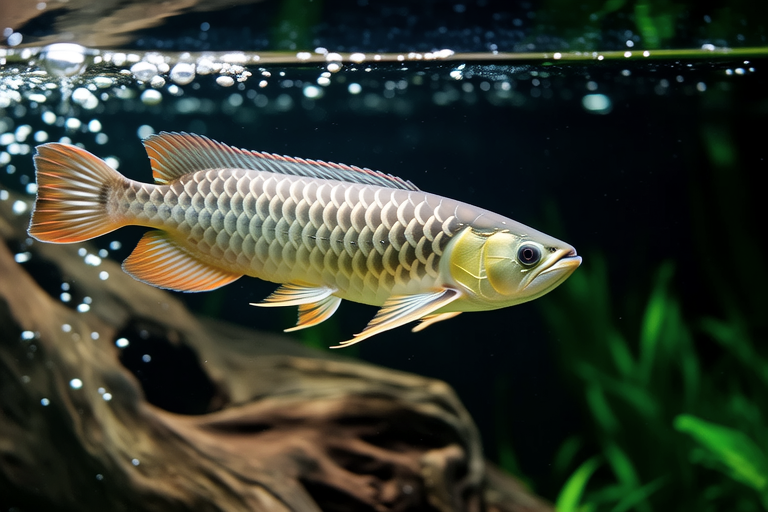
Arowanas: Majestic Fish with Rich Cultural Significance
Introduction
The arowana, also known as dragonfish, is a captivating species of freshwater fish renowned for its unique characteristics, historical significance, and cultural importance. These majestic creatures are highly sought after by aquarium enthusiasts due to their stunning appearance, fascinating behavior, and legendary status. This article delves into the various aspects of arowanas, including their habitat, diet, behavior, and the challenges faced in their care.
Unique Characteristics
Arowanas possess several distinctive features that set them apart from other fish species. They are large, elongated fish with robust bodies and powerful tails. Their scales are thick and bony, providing excellent protection against predators. One of the most striking features of arowanas is their protruding lower jaw, which gives them a formidable and intimidating appearance. The dorsal fin, located towards the tail end, is long and flowing, adding to their graceful demeanor.
These fish come in various colors, ranging from metallic silver to vibrant green and even golden hues. Some species, such as the Asian arowana, have been selectively bred to produce rare color variations, further enhancing their appeal among collectors. Their eyes are large and expressive, giving them an almost intelligent look that captivates observers.
Historical Significance and Cultural Importance
Arowanas hold significant historical and cultural importance in many parts of the world. In Southeast Asia, they are often referred to as “dragonfish” due to their resemblance to mythical dragons. This association has made them symbols of power, good fortune, and prosperity. In some cultures, it is believed that owning an arowana can bring wealth and success to its keeper. For instance, in Singapore, arowanas are considered lucky fish and are often gifted during important occasions like weddings or business openings.
In addition to their symbolic value, arowanas have played a crucial role in traditional medicine. Certain species of arowana are believed to possess healing properties and are used in various remedies. However, the scientific validity of these claims remains unproven, and the use of arowanas in traditional medicine has raised ethical concerns regarding their conservation.
Habitat and Diet
Natural habitats of arowanas vary depending on the species. Most arowanas inhabit slow-moving rivers, swamps, and floodplains in tropical regions of Africa, South America, and Southeast Asia. They prefer areas with dense vegetation, submerged roots, and rocky substrates, which provide shelter and breeding sites. Arowanas are carnivorous and feed primarily on smaller fish, insects, and crustaceans. They are opportunistic hunters, ambushing their prey with lightning-fast strikes.
When kept in captivity, arowanas require spacious tanks with plenty of swimming room and hiding spots. The water temperature should be maintained between 75°F and 86°F (24°C and 30°C), and the pH level should be kept slightly acidic to neutral. It is essential to provide a varied diet consisting of high-quality pellets, frozen or live foods such as bloodworms, krill, and small feeder fish. Feeding them a balanced diet ensures optimal health and growth.
Behavioral Traits
Arowanas are known for their aggressive and territorial nature, especially when defending their territory or competing for food. They are highly active and require ample space to swim freely. Despite their fierce reputation, arowanas can exhibit gentle behavior towards their keepers, recognizing them as sources of food. They may even respond to feeding cues, such as tapping on the tank glass or making specific noises.
One of the most intriguing behaviors of arowanas is their ability to leap out of the water to catch flying insects. This behavior, known as “surface feeding,” is a testament to their adaptability and hunting prowess. In captivity, arowanas can be trained to perform this impressive feat, adding to their allure as pets.
Myths and Legends
Across different cultures, arowanas are associated with various myths and legends. In Chinese folklore, they are believed to be manifestations of dragons, capable of bringing good luck and warding off evil spirits. In Malaysian mythology, arowanas are thought to be the guardians of treasure, protecting hidden riches from those who seek them. These stories have contributed to the mystique surrounding arowanas and have fueled their popularity among collectors.
Challenges in Keeping Arowanas
Keeping arowanas in captivity presents several challenges. Due to their size and aggressive nature, they require large tanks with sturdy filtration systems and robust decorations to prevent damage. Additionally, arowanas are sensitive to changes in water quality and temperature, so maintaining stable conditions is crucial. Another challenge is providing enough space for multiple arowanas, as overcrowding can lead to stress and aggression.
It is also important to note that some species of arowanas are protected under international laws, such as the Convention on International Trade in Endangered Species of Wild Fauna and Flora (CITES). This means that importing or exporting these fish without proper permits is illegal. Therefore, potential owners must ensure compliance with local regulations before acquiring arowanas.
养护Tips
To maintain healthy arowanas, follow these养护tips:
- Provide a spacious tank with appropriate filtration and aeration.
- Ensure stable water parameters by regularly testing and adjusting temperature, pH, and hardness.
- Feed a varied diet rich in nutrients to support growth and immune function.
- Monitor for signs of stress or illness, such as lethargy, loss of appetite, or abnormal behavior.
- Handle arowanas carefully to avoid injury, using nets or gloves if necessary.
Broader Implications of Conservation Status
The conservation status of arowanas in the wild is a cause for concern. Several species are listed as vulnerable or endangered due to habitat destruction, overfishing, and illegal trade. Efforts are being made to protect these magnificent creatures through captive breeding programs and habitat restoration initiatives. However, much work remains to be done to ensure their survival in the wild.
As aquarium enthusiasts, we can contribute to the conservation of arowanas by supporting responsible breeding practices and avoiding the purchase of wild-caught specimens. By doing so, we can help preserve these iconic fish for future generations to admire and appreciate.
