From Sandcastle to Shell Mansion: The Ultimate Guide to Hermit Crab Housing
Welcome to the fascinating world of hermit crabs! These quirky creatures have unique housing needs that go beyond just providing a cozy shelter. In this comprehensive guide, we will explore everything you need to know about creating the perfect home for your hermit crab, from choosing the right shells to setting up the ideal habitat.
The Unique Housing Needs of Hermit Crabs
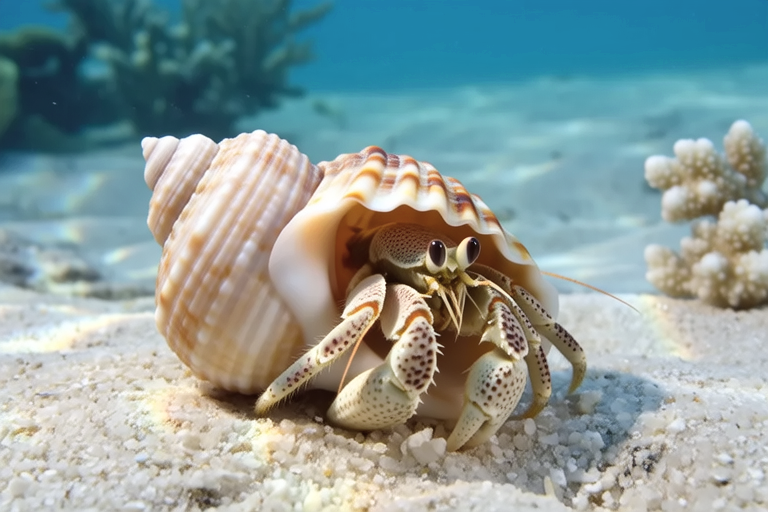
Hermit crabs are not born with their own protective exoskeletons but instead inhabit discarded snail shells. As they grow, they require larger shells to accommodate their expanding bodies. Providing a variety of shell sizes and types is crucial for their well-being. This not only helps them find a suitable new home when they outgrow their current one but also supports their molting process, which is essential for their growth and survival.
The Importance of Shell Variety
Hermit crabs need a range of shell sizes to ensure they can move into bigger ones as they grow. Additionally, different shell shapes and textures offer varying degrees of protection and comfort. By offering a diverse selection of shells, you’re giving your hermit crab the best chance at a happy, healthy life. Remember, these crabs are quite particular about their homes, so having a variety ensures they can choose the most comfortable fit.
Setting Up the Habitat: Substrate Options
Choosing the right substrate is fundamental to creating a thriving environment for your hermit crab. Two popular choices are sand and coconut fiber. Both substrates serve multiple purposes, such as providing a natural digging ground and helping to maintain the necessary humidity levels. Sand is particularly good for burrowing, while coconut fiber retains moisture better, making it ideal for maintaining humidity. Regardless of your choice, ensure the substrate is deep enough for your crab to burrow fully and remains moist without becoming soggy.
Maintaining Humidity Levels and Temperature
Hermit crabs thrive in environments with high humidity and stable temperatures. Maintaining humidity levels between 70% and 80% is crucial for their health. You can achieve this by misting the tank regularly and ensuring there’s always fresh water available. A hygrometer can help monitor humidity levels accurately. Similarly, keeping the temperature between 75°F and 85°F (24°C to 29°C) is vital. Heat lamps or under-tank heaters can help regulate the temperature, but be cautious not to overheat the enclosure.
Decorating the Habitat Safely and Enriching It with Natural Elements
Creating a stimulating and safe environment is key to your hermit crab’s happiness. Decorate the tank with natural elements like driftwood, rocks, and plants. These additions not only enhance the aesthetic appeal of the habitat but also provide hiding spots and climbing opportunities. When introducing new items, make sure they are clean and free of harmful chemicals. Avoid sharp edges or small parts that could pose a choking hazard. Incorporating these elements will encourage your hermit crab to explore and engage with its surroundings.
Ongoing Care and Monitoring
Regular maintenance and observation are essential for keeping your hermit crab healthy and content. Check the substrate periodically for cleanliness and replace it if necessary. Monitor the humidity and temperature levels to ensure they remain consistent. Keep an eye on your crab’s behavior; changes in appetite, activity level, or shell preference might indicate underlying issues. Regularly offer a variety of food, including fruits, vegetables, and protein sources, to keep your crab nourished and engaged.
In conclusion, providing the right housing for your hermit crab is more than just selecting a pretty shell; it’s about creating a nurturing environment that supports their growth and well-being. With the right setup and care, your hermit crab can live a long, happy life. Whether you’re a first-time owner or a seasoned enthusiast, this guide should give you all the tools needed to build the ultimate hermit crab mansion.
