Siberian Huskies: Taming the Wild Spirit of the North
The Siberian Husky, a breed renowned for its striking appearance and indomitable spirit, has captivated the hearts of dog lovers around the world. Originating from the icy expanses of Siberia, these dogs have a rich history deeply intertwined with the culture and survival of indigenous peoples. Their journey from the frozen tundras to becoming beloved pets is one of adaptation, endurance, and companionship. This article delves into the origins and historical significance of Siberian Huskies, their physical attributes, temperament, training, exercise needs, and the unique bond they share with humans.
Origins and Historical Significance
The story of the Siberian Husky begins in northeastern Asia, where the Chukchi people, an indigenous group from the region, first domesticated them over 3,000 years ago. These early ancestors of today’s Siberian Huskies were bred primarily for their strength, endurance, and resilience, qualities that made them indispensable as sled dogs. The Chukchi relied heavily on these animals for transportation, hunting, and survival in the harsh Arctic environment. Huskies were not just working dogs; they were integral to the community’s way of life, embodying the essence of partnership and mutual reliance.
In the early 20th century, Siberian Huskies gained international recognition when they participated in the Great Race of Mercy, a grueling sled-dog relay race across Alaska to deliver diphtheria serum to Nome. Led by the legendary musher Leonhard Seppala, the team of Siberian Huskies completed the arduous journey in record time, saving countless lives and cementing the breed’s reputation as champions of endurance and loyalty.
Physical Attributes
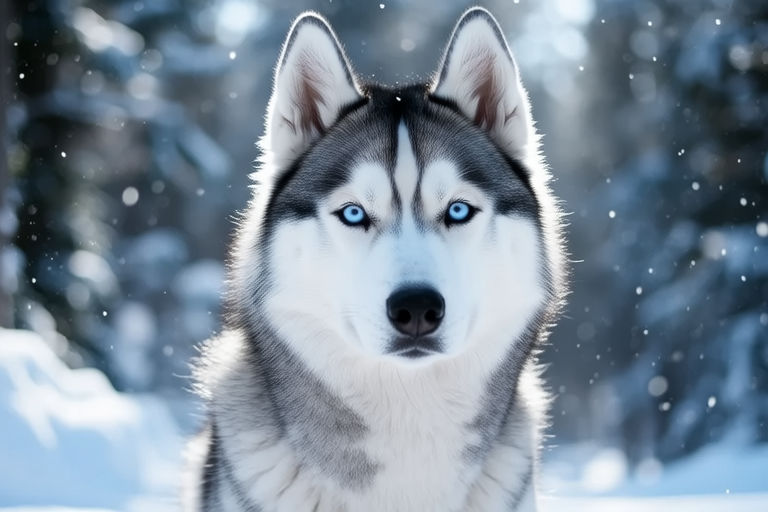
Siberian Huskies are medium-sized dogs with a robust physique, designed to thrive in the coldest environments. They possess a thick double coat, comprising a soft undercoat and a coarse outer coat, which provides excellent insulation against the biting cold. Their eyes, typically almond-shaped and blue, can also be brown or a combination of both colors, adding to their distinctive appearance. The breed’s signature features include erect triangular ears and a curled tail, which serves as an additional layer of warmth during rest.
One of the most remarkable aspects of Siberian Huskies is their adaptability to extreme weather conditions. Their dense fur, coupled with a high metabolism, allows them to maintain body heat even in sub-zero temperatures. Additionally, their compact size and efficient gait make them ideal for long-distance running, a trait that is still evident in their modern-day counterparts.
Temperament and Challenges
Beyond their physical prowess, Siberian Huskies are known for their spirited and independent nature. While this makes them incredibly engaging and fun companions, it also presents unique challenges for potential owners. Their strong-willed disposition can sometimes lead to difficulty in obedience training, requiring patience and consistency from trainers. Huskies are inherently pack-oriented animals, but their independent streak means they may not always respond to commands immediately.
Despite their stubbornness, Siberian Huskies are generally friendly and affectionate towards humans. They are often described as gentle and playful, especially with children. However, their high energy levels mean they require ample mental and physical stimulation to prevent boredom, which could lead to destructive behavior. Potential owners must be prepared to provide consistent leadership and a structured routine to channel their natural instincts in positive ways.
Training and Exercise
Training Siberian Huskies requires a balanced approach that respects their independence while establishing clear boundaries. Positive reinforcement techniques, such as rewards and praise, are highly effective. Consistency is key; owners should be patient and persistent, avoiding harsh methods that might provoke resistance. Early socialization is crucial to ensure that Huskies grow up to be well-adjusted and sociable adults.
When it comes to exercise, Siberian Huskies are relentless in their need for physical activity. Daily walks and runs are essential, but they also enjoy activities like hiking, swimming, and dog sports. Agility training can be particularly beneficial, as it engages both their minds and bodies. Providing opportunities for problem-solving and mental stimulation through interactive toys and games can help keep them entertained and mentally sharp.
Owners should also consider enrolling their Huskies in obedience classes or joining local dog clubs to enhance their social skills and provide additional outlets for exercise. Regular grooming is necessary to maintain their coat, especially during shedding seasons. Proper care and attention will ensure that your Siberian Husky remains healthy and happy.
The Bond Between Humans and Siberian Huskies
The relationship between humans and Siberian Huskies is built on mutual respect and understanding. These dogs have an innate ability to connect with their human families, forming deep bonds based on trust and companionship. Their loyalty and protective nature make them excellent watchdogs, though they are unlikely to exhibit aggressive behavior unless provoked.
It is important for owners to recognize the responsibilities that come with caring for a Siberian Husky. Their wild spirit demands respect and appreciation for their unique qualities. By providing the right balance of love, discipline, and stimulation, owners can nurture a strong and fulfilling bond with their furry companions. Celebrating their heritage and embracing their wildness while ensuring they receive the care and attention they deserve will result in a rewarding and enriching experience for both parties.
In conclusion, Siberian Huskies are more than just beautiful dogs; they are living embodiments of resilience, loyalty, and companionship. From their origins as working sled dogs to their current status as cherished family members, Huskies continue to inspire admiration and affection. By understanding their needs and respecting their spirit, we can ensure that these magnificent creatures remain an integral part of our lives for generations to come.
