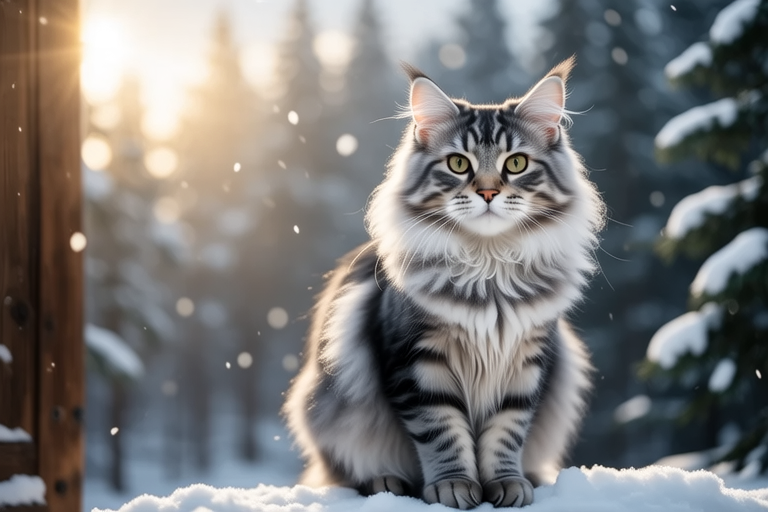
Exploring the Unique Needs of Cats in Norway
Norway is a country known for its breathtaking landscapes, from the fjords to the vast wilderness. However, it also presents unique challenges and opportunities for cat owners. This article delves into the unique needs of cats in Norway, considering factors such as climate, diet, legal regulations, cultural influences, and healthcare.
The Impact of Norway’s Climate on Cat Care
Norway’s climate, characterized by long, cold winters and short, mild summers, significantly affects both indoor and outdoor cat care. The harsh winters necessitate careful consideration of shelter and warmth for outdoor cats. In rural areas, many Norwegian households have barns or sheds that can serve as safe havens for outdoor cats during extreme weather. For urban dwellers, heated cat beds and insulated shelters are essential to keep their feline companions warm.
Indoor cats benefit from extra insulation around windows and doors to prevent drafts. Owners must also be vigilant about heating systems, ensuring that they are pet-safe and do not pose a risk of burns or poisoning. Additionally, maintaining humidity levels is crucial, as dry air can lead to respiratory issues. Humidifiers can help alleviate this problem, especially during the colder months.
During summer, while the threat of extreme cold diminishes, other concerns arise. Mosquitoes and ticks become more prevalent, increasing the risk of diseases like Lyme disease and anaplasmosis. Regular checks for these parasites and the use of appropriate flea and tick treatments are vital.
Dietary Considerations Specific to Norwegian Environments
The dietary needs of cats in Norway are influenced by the availability of certain foods and the need to adapt to the changing seasons. Traditional Norwegian diets for cats often include fish, particularly salmon, which is abundant in the region. Omega-3 fatty acids found in fish are beneficial for maintaining healthy skin and coat, especially important given the dry indoor environment during winter.
Cat owners should ensure their pets receive a balanced diet rich in protein, vitamins, and minerals. Supplements may be necessary to address deficiencies that could occur due to limited sunlight exposure, particularly vitamin D. It’s advisable to consult with a veterinarian before adding any supplements to your cat’s diet.
In addition to commercial cat food, some owners opt for homemade meals, incorporating locally sourced ingredients. However, it’s crucial to ensure that these home-cooked meals meet all nutritional requirements and do not cause health issues.
Local Laws and Regulations Concerning Pet Ownership
Norway has stringent laws and regulations regarding pet ownership, including those for cats. One of the most significant regulations is the requirement for microchipping all dogs and cats. This ensures that if a pet goes missing, it can be easily identified and returned to its owner. Microchips are small, implantable devices that store identifying information.
Another key regulation is the mandatory sterilization of pets. This helps control the population of stray animals, reducing the number of unwanted litters. Additionally, there are strict rules about keeping cats indoors in certain municipalities to minimize the risk of wildlife predation.
Owners must also register their pets with the municipality, providing information about the animal and the owner. Failure to comply with these regulations can result in fines or other penalties.
Cultural Aspects Influencing Cat Ownership in Norway
Cats hold a special place in Norwegian culture, with many Norwegians viewing them as cherished companions. This cultural affinity for cats translates into a high standard of care and a strong sense of responsibility among cat owners. Many Norwegians consider their cats as part of the family, integrating them into daily life and providing them with enriching environments.
The concept of ‘cat cafés’ has gained popularity in Norway, offering spaces where people can enjoy coffee and interact with cats. These establishments provide a unique social experience for cat lovers and contribute to the overall appreciation of cats in the community.
Cultural festivals and events dedicated to animals, including cats, are common throughout Norway. These events celebrate the bond between humans and their pets and often include educational components to promote responsible pet ownership.
Availability and Types of Veterinary Care for Cats in Various Regions of Norway
The availability and quality of veterinary care for cats vary across different regions of Norway. Urban areas generally offer more comprehensive services, including specialized clinics for feline health issues. In contrast, rural regions may have fewer options, though mobile veterinary services are becoming increasingly common.
Owners in rural areas should research nearby veterinary practices and establish a relationship with a trusted provider. It’s important to ensure that the chosen clinic is equipped to handle emergencies and offers routine care services. Telemedicine services are also available, allowing for remote consultations with veterinarians.
Specialized services, such as dental care and behavioral therapy, may require travel to larger cities. Therefore, it’s beneficial for cat owners to have a network of trusted professionals who can provide guidance and support.
Unique Products and Services Tailored for Cats in Norway
Norway boasts a range of unique products and services designed specifically for cats, catering to the particular needs of feline companions in this environment. Local pet stores offer a variety of cold-weather gear, such as insulated jackets and booties, to protect cats from the elements.
Many products focus on enhancing the comfort and well-being of indoor cats. For instance, there are specialized litter boxes designed to reduce odors and make cleaning easier. Additionally, interactive toys and scratching posts are widely available, encouraging physical activity and mental stimulation.
Services such as grooming and boarding are also popular, providing owners with peace of mind when they are away. Groomers are trained to handle the specific grooming needs of Norwegian breeds and mixed breeds, ensuring that cats remain clean and comfortable.
Practical Advice for Cat Owners Living in Norway
For cat owners living in Norway, several practical tips can enhance the health and happiness of their feline companions:
- Climate Control: Invest in high-quality insulation and heating solutions to keep your home warm and cozy for your cat.
- Dietary Adjustments: Incorporate locally sourced fish into your cat’s diet, and consult with a veterinarian about potential vitamin D supplements.
- Legal Compliance: Ensure your cat is microchipped, sterilized, and registered with the local municipality.
- Cultural Engagement: Participate in local events and activities that celebrate pets, fostering a sense of community.
- Veterinary Care: Establish a relationship with a trusted veterinarian and stay informed about the availability of specialized services.
- Product Utilization: Take advantage of locally available products designed to meet the specific needs of Norwegian cats.
By following these guidelines, cat owners can provide their pets with a safe, comfortable, and enriched environment, ensuring that their cats thrive in Norway’s unique setting.
