Silky Secrets: Discover What Makes the Chilean Rose Tarantula Stand Out
The world of exotic pets is filled with a variety of creatures that captivate the hearts and minds of enthusiasts. Among these, the Chilean rose tarantula (Grammostola rosea) shines as a standout due to its unique appearance, behavior, and accessibility for both novice and seasoned arachnologists. This article delves into the enchanting qualities of the Chilean rose tarantula, exploring what makes it such a remarkable species.
A Spectacular Appearance
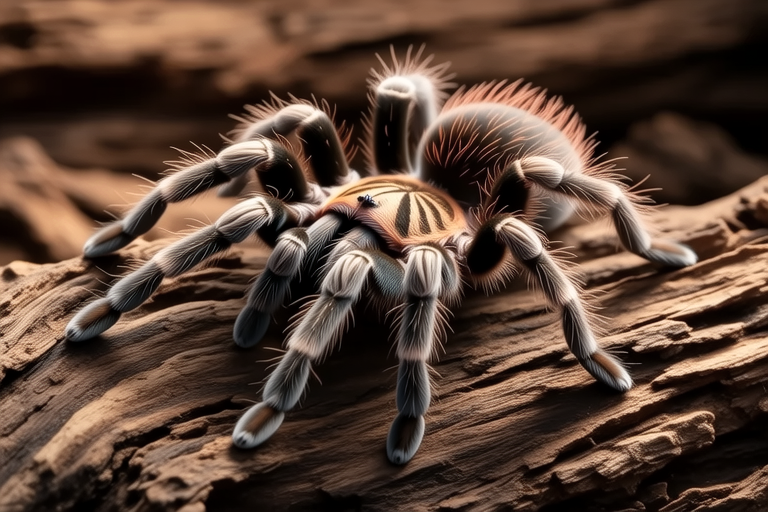
The Chilean rose tarantula is often described as one of the most visually striking spiders in the hobbyist world. Its body is covered in a soft, velvety fur that can range from sandy brown to deep red, depending on the individual. The abdomen displays intricate patterns of darker stripes, which contrast beautifully against the lighter base color, giving the spider its namesake ‘rose’ appearance. These colors are not just aesthetically pleasing; they also serve a crucial role in the spider’s camouflage, helping it blend seamlessly into its native habitat.
The legs of the Chilean rose tarantula are long and slender, ending in sharp claws that aid in climbing and hunting. The spider’s eight eyes are small but effective, allowing it to detect movement and light changes in its environment. While their vision is limited, their ability to sense vibrations through their legs is exceptional, ensuring they can track prey or detect threats even in low-light conditions.
Natural Habitat and Behavior
Native to the deserts and scrublands of South America, specifically regions of Chile and Argentina, the Chilean rose tarantula has adapted to thrive in harsh, arid environments. These spiders prefer burrowing in sandy soil, creating complex underground homes that protect them from predators and extreme weather conditions. Their burrows are often lined with silk, adding an extra layer of protection and comfort.
In the wild, Chilean rose tarantulas are primarily nocturnal, emerging at night to hunt small insects, lizards, and occasionally small rodents. They are ambush predators, lying in wait near the entrance of their burrows to pounce on unsuspecting prey. Once caught, they inject venom through their fangs to immobilize their victims before consuming them. Despite their fearsome reputation, their venom is relatively mild and serves more to subdue prey than cause harm.
Their natural behaviors also include molting, a process where they shed their exoskeleton to grow. During this time, they become extremely vulnerable, so they retreat further into their burrows to ensure safety. Observing a tarantula molt is a rare and fascinating event, offering a glimpse into the lifecycle of these ancient creatures.
Temperament and Care
One of the reasons why the Chilean rose tarantula is popular among pet owners is its generally docile nature. Unlike some other tarantula species that may be skittish or aggressive, the Chilean rose tarantula is known for its calm demeanor, making it an ideal choice for beginners who want to experience the joy of tarantula ownership without the risks associated with more temperamental species.
For those considering a Chilean rose tarantula as a pet, it’s important to understand that these spiders require minimal maintenance. They thrive in a terrarium with a substrate of sand or coconut fiber, a hide spot, and occasional misting to maintain humidity levels. Temperature-wise, they prefer a range between 75°F and 85°F (24°C to 29°C), which can be achieved with a heat lamp or under-tank heater.
Feeding is straightforward, with crickets being the preferred diet. It’s essential to provide appropriately sized prey to prevent overfeeding, which can lead to health issues. Additionally, regular cleaning of the enclosure and monitoring for signs of illness or stress are key to maintaining a healthy pet.
Myths Versus Facts About Handling and Care
There are several misconceptions surrounding the handling and care of Chilean rose tarantulas. One common myth is that all tarantulas are dangerous and should never be handled. While it’s true that mishandling any animal can lead to injury, the Chilean rose tarantula is relatively safe when properly cared for. However, it’s important to note that even gentle handling can stress the spider, so interactions should be kept brief and infrequent.
Another myth is that tarantulas require constant attention and feeding. In reality, these spiders are solitary and independent, requiring minimal interaction from their owners. Overfeeding can lead to obesity, while underfeeding can result in malnutrition. A balanced approach is key to ensuring the well-being of your pet.
It’s also a misconception that tarantulas need large enclosures. While they do appreciate space to move around, a moderately sized terrarium with appropriate hiding spots is sufficient for their needs. Overcrowding can lead to stress and aggression, so it’s best to err on the side of caution when setting up their living space.
Why the Chilean Rose Tarantula Stands Out
The Chilean rose tarantula is a fascinating creature that stands out in the world of exotic pets due to its unique combination of beauty, adaptability, and manageable care requirements. Its vibrant colors and intricate patterns make it visually appealing, while its calm temperament and low-maintenance lifestyle make it an excellent choice for both beginners and experienced owners.
Moreover, the Chilean rose tarantula offers a window into the lives of these ancient creatures, providing insights into their evolutionary adaptations and survival strategies. Whether you’re drawn to their striking appearance or intrigued by their intriguing behaviors, there’s no denying that the Chilean rose tarantula is a species worth getting to know.
In conclusion, the Chilean rose tarantula is more than just another spider; it’s a testament to the incredible diversity and resilience of life on Earth. By learning about and caring for these remarkable creatures, we not only enrich our own lives but also contribute to the broader understanding and appreciation of the natural world.
