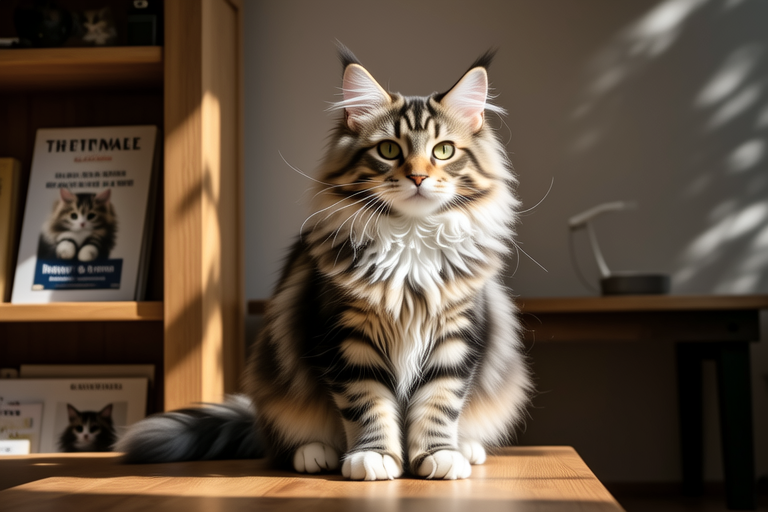
The Ultimate Guide to Raising a Happy and Healthy Norwegian Forest Cat
The Norwegian Forest Cat, often referred to as the “Wegie,” is a majestic and robust breed known for its long, water-resistant coat and friendly demeanor. Originating from the forests of Norway, these cats have adapted to harsh climates, making them resilient and strong. This guide will provide you with all the necessary information to ensure your Norwegian Forest Cat leads a happy and healthy life.
Overview of the Norwegian Forest Cat Breed Characteristics
Norwegian Forest Cats are medium to large-sized cats with a muscular build. They possess a double coat that protects them from cold weather; an undercoat that is dense and woolly, and a top coat that is long and water-repellent. Their eyes are almond-shaped and can be green, gold, or copper. These cats are intelligent, playful, and affectionate, making them excellent companions. Despite their large size, they are generally calm and adaptable, fitting well into various living situations.
Ideal Living Conditions and Environment Setup
Given their origins, Norwegian Forest Cats thrive in cooler environments. However, they adapt well to most homes provided there are adequate spaces for them to explore and rest. A spacious home with plenty of vertical space, such as cat trees and shelves, allows them to exercise their climbing instincts. Ensure your home is pet-proofed, especially if you have young children or other pets. Provide cozy sleeping areas away from drafts, and consider heating pads for colder nights.
Specific Dietary Needs and Feeding Tips
Norwegian Forest Cats require a balanced diet rich in protein, fats, and essential nutrients. High-quality commercial cat food formulated for their age and activity level is recommended. Avoid overfeeding, as these cats can become overweight easily. Fresh water should always be available. Consult your veterinarian for specific dietary advice based on your cat’s individual needs.
Grooming Routines for Their Coat Maintenance
Due to their thick coats, regular grooming is essential to prevent matting and hairballs. Brush your Norwegian Forest Cat at least twice a week, increasing frequency during shedding seasons. Use a slicker brush to remove tangles and a wide-tooth comb to detangle fur. Bathe your cat only when necessary, as too frequent bathing can strip natural oils from their coat. Regular nail trimming and ear cleaning also contribute to overall hygiene.
Exercise and Play Requirements
Regular exercise is vital for maintaining a healthy weight and stimulating mental engagement. Norwegian Forest Cats enjoy interactive play with toys like feather wands and laser pointers. Provide scratching posts and climbing structures to satisfy their need for vertical exploration. Encourage daily play sessions to keep them active and engaged.
Common Health Issues and Preventive Care
While generally hardy, Norwegian Forest Cats may be prone to certain health issues. Hypertrophic cardiomyopathy, a form of heart disease, and hip dysplasia are common concerns. Regular veterinary check-ups, including dental exams and blood tests, help detect potential problems early. Vaccinations, parasite control, and proper nutrition support overall health.
Socialization and Training Techniques
Early socialization is crucial for raising a well-adjusted Norwegian Forest Cat. Expose your kitten to various people, animals, and environments to foster confidence. Positive reinforcement training methods, using treats and praise, can teach basic commands and good behavior. Consistency and patience are key in establishing boundaries and reinforcing desired behaviors.
Tips for Integrating with Other Pets and Family Members
Introduce your Norwegian Forest Cat to new family members and pets gradually. Allow them time to adjust to each other’s presence before engaging in direct interactions. Supervise initial meetings to ensure positive experiences. Establish clear rules regarding handling and playing to prevent any conflicts. With proper introduction, Norwegian Forest Cats can coexist harmoniously with other pets and humans.
Lifespan Expectations and Senior Care
With proper care, Norwegian Forest Cats typically live between 14 to 16 years. As they age, their nutritional needs change. Switch to senior-specific diets lower in calories but higher in fiber. Monitor their mobility and joint health, providing ramps or steps to assist them in reaching high places. Regular vet visits become more frequent to address age-related conditions and maintain quality of life.
Raising a Norwegian Forest Cat requires dedication and love. By understanding their unique needs and providing appropriate care, you can ensure your feline friend enjoys a long, healthy, and joyful life. Whether you’re a first-time cat owner or an experienced pet parent, this guide offers valuable insights to nurture your Norwegian Forest Cat.
