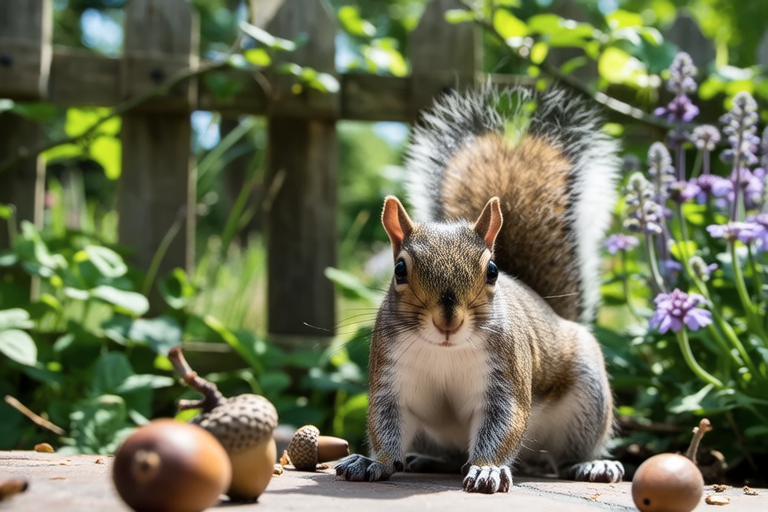
How to Attract Wild Squirrels to Your Yard Without a Feeder
Welcome to an exploration of how you can attract wild squirrels to your yard without the need for a feeder. This guide will provide you with comprehensive information on using natural methods to create a welcoming environment for these charming creatures. We’ll cover planting native trees and shrubs for food and shelter, creating water sources suitable for squirrels, designing environments with hiding and nesting spots, and maintaining a yard free from harmful chemicals. By emphasizing biodiversity and sustainable practices, you’ll learn how to attract wildlife naturally.
Planting Native Trees and Shrubs for Food and Shelter
One of the most effective ways to attract wild squirrels to your yard is by planting native trees and shrubs that provide both food and shelter. Native plants have evolved alongside local wildlife, making them perfectly suited to support the needs of squirrels. They offer a rich source of nuts, seeds, fruits, and leaves, which are essential for the squirrels’ diet.
- Choose the Right Plants: Research and select native tree species such as oak, hickory, or walnut, which produce acorns, hickory nuts, and walnuts respectively. These are highly nutritious for squirrels. Additionally, consider shrubs like elderberry, serviceberry, and dogwood, which provide berries and fruits.
- Provide Shelter: Dense shrubs and small trees offer excellent protection from predators and harsh weather conditions. Planting a variety of shrubs and trees creates layers within your yard, providing multiple levels of shelter.
- Encourage Natural Growth: Avoid over-pruning your plants, as this can reduce the availability of food and shelter. Instead, let some branches grow freely to create a more inviting habitat.
Creating Water Sources Suitable for Squirrels
Water is crucial for all living beings, including squirrels. Providing a reliable water source in your yard can significantly increase the chances of attracting them. Here are some practical tips for creating water sources suitable for squirrels:
- Install a Birdbath: A shallow birdbath placed at ground level or slightly elevated is ideal for squirrels. Ensure it has a sloped edge so they can easily climb in and out.
- Use a Drip Fountain: A dripping fountain or a small waterfall can be particularly attractive to squirrels. The sound of running water can draw them in, and they may even drink directly from the stream.
- Keep Water Clean: Regularly clean and refill your water source to ensure it remains fresh and safe for consumption. This also helps prevent the spread of diseases among wildlife.
Designing Environments with Hiding and Nesting Spots
Squirrels are naturally cautious animals that seek safety and security in their surroundings. Creating hiding and nesting spots in your yard can make it an appealing habitat for them. Here’s how you can design such environments:
- Build Brush Piles: Construct brush piles using fallen branches, leaves, and twigs. These piles serve as natural shelters where squirrels can hide from predators and take refuge during bad weather.
- Create Nest Boxes: Install squirrel nest boxes in trees or on poles. These boxes provide a safe and cozy place for squirrels to raise their young. Make sure the entrance hole is appropriately sized (around 4 inches in diameter) to accommodate squirrels while excluding larger animals.
- Leave Dead Trees Standing: If possible, leave dead trees standing as they offer valuable nesting and roosting opportunities. However, always prioritize safety and consult professionals if there’s any risk of the tree falling.
Maintaining a Yard Free from Harmful Chemicals
To ensure the health and well-being of squirrels and other wildlife visiting your yard, it’s important to maintain a chemical-free environment. Many common garden products, such as pesticides and herbicides, can be harmful to animals. Here are some eco-friendly alternatives:
- Natural Pest Control: Instead of using chemical pesticides, opt for natural pest control methods. Introduce beneficial insects like ladybugs and lacewings that prey on pests. Companion planting, where certain plants are grown together to deter pests, is another effective strategy.
- Organic Fertilizers: Use organic fertilizers made from composted materials or plant-based ingredients. These enrich the soil without introducing harmful chemicals.
- Manual Weed Removal: Regularly pull weeds by hand or use mulch to suppress weed growth. This reduces the need for herbicides and promotes a healthier ecosystem.
The Importance of Biodiversity and Sustainable Practices
Attracting wild squirrels to your yard through natural methods not only benefits the squirrels but also contributes to the overall health of your local ecosystem. By promoting biodiversity and adopting sustainable practices, you’re creating a balanced and thriving environment.
Biodiversity: A diverse range of plants and animals fosters ecological stability. It encourages pollination, seed dispersal, and nutrient cycling, all of which are vital for maintaining a healthy ecosystem. By attracting squirrels and other wildlife, you’re helping to restore and enhance local biodiversity.
Sustainable Practices: Implementing sustainable gardening techniques reduces your environmental impact. This includes conserving water, reducing waste, and minimizing the use of non-renewable resources. Sustainable practices also promote long-term ecological balance and resilience.
Practical Tips for Implementing These Methods
Here are some practical tips to help you implement the methods discussed above:
- Start Small: Begin by incorporating one or two native plants into your yard. As you see positive results, gradually expand your efforts to include more species and create a more diverse habitat.
- Involve the Community: Encourage neighbors and community members to adopt similar practices. Together, you can create a network of interconnected habitats that benefit wildlife.
- Be Patient: Attracting wildlife takes time. Continue to nurture your yard with care and patience, and eventually, you’ll see squirrels and other creatures thriving in your space.
- Document Your Progress: Keep a journal or take photos to document the changes in your yard. This will help you track the progress of your efforts and inspire others.
In conclusion, attracting wild squirrels to your yard without a feeder is achievable through natural methods that promote biodiversity and sustainable practices. By planting native trees and shrubs, creating water sources, designing environments with hiding and nesting spots, and maintaining a chemical-free yard, you can create a welcoming habitat for squirrels. These efforts not only benefit the squirrels but also contribute to the overall health and diversity of your local ecosystem. With dedication and patience, you’ll soon enjoy the delightful presence of these playful creatures in your backyard.
