Bearded Dragon Behavior: What’s Normal? What Should You Worry About?
Introduction
Welcome to the fascinating world of bearded dragons! These popular reptiles are known for their docile nature and striking appearance. Native to the deserts of Australia, bearded dragons (Pogona vitticeps) have become a favorite among reptile enthusiasts due to their relatively easy care requirements and engaging personalities. Understanding your bearded dragon’s behavior is key to ensuring its health and happiness. This article will guide you through what constitutes normal behavior, signs of distress, and when it might be time to consult a vet.
Basic Facts About Bearded Dragons
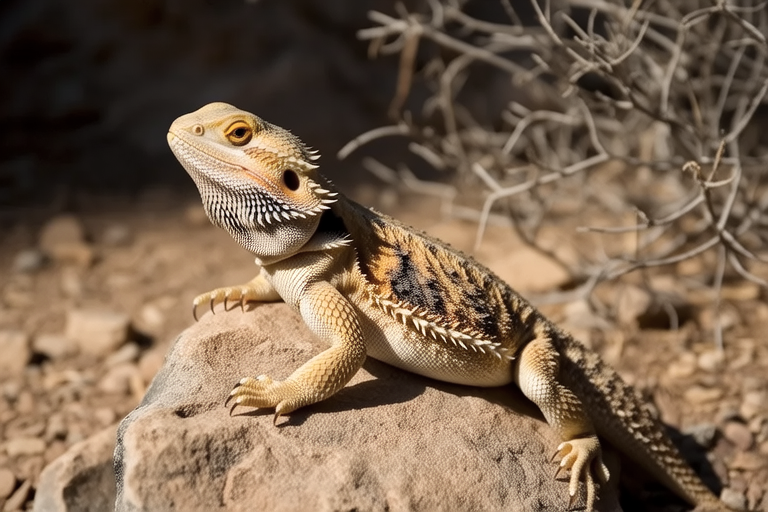
Bearded dragons can grow up to two feet long from snout to tail tip and typically live between five and ten years. They are diurnal, meaning they are most active during the day, and they spend much of their time basking under heat lamps or lounging around their enclosure. Their name comes from the spiky scales beneath their chin, which they can puff out to appear larger if threatened.
Normal Behaviors
Basking
One of the most noticeable behaviors of a bearded dragon is basking. They need high temperatures to digest food properly and maintain their body temperature. A healthy dragon will bask under a UVB light source, which provides essential vitamin D3 for calcium absorption. Ensure your dragon has access to a basking spot with a temperature range of 95-110°F (35-43°C).
Eating Habits
Bearded dragons are omnivores, meaning they eat both plants and animals. In captivity, their diet consists mainly of leafy greens, vegetables, fruits, and insects like crickets and mealworms. They may also consume small amounts of fruit. Healthy eating habits include regular feeding schedules and varied diets to prevent nutritional deficiencies.
Social Interactions
While solitary creatures in the wild, bearded dragons can coexist peacefully in captivity. However, introducing a new dragon into an existing tank requires careful monitoring. Signs of acceptance include head bobbing, arm waving, and relaxed postures. Conversely, signs of aggression might include darkening coloration, inflating the beard, and opening the mouth wide.
Potential Signs of Distress or Abnormal Behavior
Lethargy
If your bearded dragon appears unusually inactive, this could indicate illness or discomfort. Monitor its activity level over several days; lethargy combined with other symptoms such as weight loss or changes in appetite warrants veterinary attention.
Changes in Appetite
A sudden decrease or increase in food intake can signal underlying health issues. Ensure the temperature gradient within the enclosure remains optimal for digestion. Persistent refusal to eat should prompt a visit to the vet.
Abnormal Skin Appearance
Healthy skin should be smooth and free from discoloration. Look out for blisters, patches of missing scales, or persistent shedding problems. These could point towards infections or environmental issues.
Tips for Maintaining a Healthy Environment
Creating a suitable habitat is crucial for your bearded dragon’s well-being. Proper heating, lighting, and substrate contribute significantly to their comfort and health. Regular cleaning helps prevent bacterial growth. Additionally, providing hiding spots and climbing structures enriches their environment and promotes natural behaviors.
Addressing Concerns
If you notice concerning behaviors, first rule out environmental factors. Adjusting temperature gradients, ensuring adequate lighting, or changing dietary supplements might resolve some issues. Always handle your pet gently and avoid stressing it unnecessarily.
When to Consult a Veterinarian
Early intervention is critical when dealing with potential health problems. Seek professional help if you observe any of the following:
- Severe lethargy or lack of movement
- Visible injuries or signs of infection
- Repeated vomiting or diarrhea
- Difficulty breathing or swallowing
- Swollen limbs or joints
Regular check-ups with a reptile-savvy vet can catch minor issues before they escalate into more serious conditions.
Conclusion
Understanding your bearded dragon’s behavior allows you to provide better care and enjoy a stronger bond with your pet. By familiarizing yourself with typical activities and recognizing early warning signs, you’ll ensure your dragon leads a happy and healthy life. Remember, proactive care and timely medical attention go hand-in-hand in maintaining your bearded dragon’s wellbeing.
