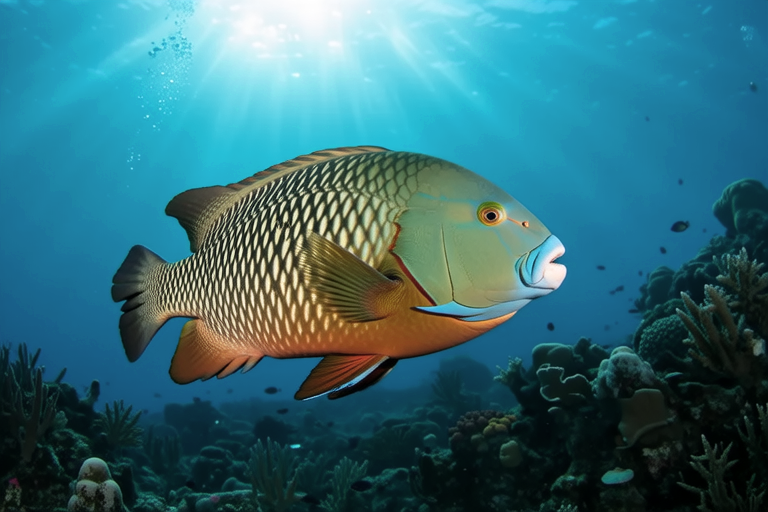
Exploring the Popularity of Parrot Fish in Pop Culture
The parrot fish, with its dazzling array of colors and fascinating behavior, has captured the hearts of marine enthusiasts and casual observers alike. These fish have become an integral part of pop culture, appearing in various forms of media, from animated films to aquarium displays. This article delves into the reasons behind their popularity, examining their unique characteristics, representation in media, aquarium trends, and environmental awareness campaigns. Additionally, it discusses the challenges of keeping parrot fish in home aquariums and the role of conservation efforts in shaping public perception.
Unique Characteristics of Parrot Fish
One of the most striking features of parrot fish is their vibrant colors. Ranging from bright blues and yellows to deep reds and oranges, these fish are a visual feast for the eyes. Their distinctive beak-like mouths, used for scraping algae off coral reefs, give them a unique appearance that sets them apart from other fish species. This combination of color and form makes parrot fish highly sought after in both marine environments and home aquariums.
In addition to their physical appearance, parrot fish exhibit intriguing behavioral traits that contribute to their appeal. They are known for their ability to change sex, a phenomenon called sequential hermaphroditism. Many species start life as females and later transform into males, a process that can be triggered by various factors, including social cues and environmental conditions. This flexibility in gender roles adds another layer of fascination to their lives, piquing the curiosity of researchers and enthusiasts alike.
Representation in Media
The parrot fish’s vibrant colors and captivating behaviors have made them a popular subject in various forms of media. Animated films, television shows, and video games often feature parrot fish as colorful background characters or even as main protagonists. For instance, the Pixar film Finding Nemo includes a brief scene with a parrot fish, showcasing its striking appearance. While not central to the plot, this cameo helps familiarize audiences with the species and contributes to its iconic status.
Documentaries and nature programs also play a significant role in promoting the parrot fish’s popularity. Shows like Blue Planet and Oceans highlight the ecological importance of parrot fish in maintaining healthy coral reef ecosystems. By educating viewers about the vital role these fish play in their habitats, these documentaries foster a greater appreciation for parrot fish and their significance in marine conservation efforts.
Aquarium Trends
The growing trend of marine aquariums has further fueled the popularity of parrot fish. Many hobbyists are drawn to these fish due to their striking appearance and the challenge of replicating their natural habitat in a home setting. However, keeping parrot fish in home aquariums presents several challenges. Proper water conditions, including temperature, pH levels, and salinity, must be maintained to ensure the health and well-being of the fish. Additionally, providing sufficient space for swimming and hiding is crucial, as overcrowded tanks can lead to stress and aggression among tank mates.
Despite these challenges, many aquarium enthusiasts find the rewards of keeping parrot fish worth the effort. The sight of these vibrant creatures swimming gracefully through their artificial reef environments provides endless entertainment and a sense of accomplishment for hobbyists. Moreover, successful maintenance of a thriving parrot fish population in a home aquarium can serve as a testament to one’s dedication to marine conservation and responsible pet ownership.
Environmental Awareness Campaigns
Parrot fish have become symbols of environmental awareness and conservation efforts. Their critical role in maintaining coral reef ecosystems makes them valuable indicators of ocean health. Overfishing, habitat destruction, and climate change pose significant threats to parrot fish populations and the reefs they inhabit. As a result, various organizations and campaigns have emerged to raise awareness about the importance of protecting these fish and their habitats.
These initiatives often focus on educating the public about sustainable fishing practices, reducing pollution, and supporting marine protected areas. By highlighting the interconnectedness of marine life and human activities, these campaigns encourage individuals to take action in preserving parrot fish and their ecosystems. Furthermore, they promote responsible tourism, urging visitors to coral reefs to respect local regulations and minimize their impact on fragile underwater environments.
Challenges of Keeping Parrot Fish in Home Aquariums
While the allure of parrot fish is undeniable, keeping them in home aquariums comes with its own set of challenges. One major issue is the difficulty in simulating their natural diet. In the wild, parrot fish feed on algae, coral polyps, and small invertebrates, which are not always readily available in aquarium settings. Hobbyists must carefully research and prepare appropriate food options to ensure their parrot fish receive adequate nutrition.
Another challenge is the potential for aggression among tank mates. Some species of parrot fish can become territorial and aggressive, especially when competing for resources or during breeding seasons. To mitigate these issues, it is essential to provide ample hiding spots and establish a stable hierarchy within the tank. Regular monitoring of fish behavior and timely intervention can help prevent conflicts and maintain a harmonious aquarium environment.
The Role of Conservation Efforts in Shaping Public Perception
Conservation efforts play a pivotal role in shaping public perception of parrot fish. By emphasizing the ecological importance of these fish and the threats they face, conservationists aim to inspire action and foster a deeper connection between people and the marine environment. Educational programs, community outreach, and partnerships with local governments and businesses help spread awareness about the need for sustainable practices and responsible stewardship of our oceans.
Moreover, successful conservation projects can serve as powerful examples of what can be achieved through collective effort and commitment. Positive outcomes, such as increased parrot fish populations and healthier coral reefs, provide tangible evidence of the impact of conservation efforts. These successes not only boost morale but also encourage continued support for ongoing initiatives.
Conclusion
The parrot fish’s vibrant colors, fascinating behaviors, and vital role in marine ecosystems have cemented their place in pop culture. Through their representation in media, aquarium trends, and environmental awareness campaigns, these fish have captured the imagination of marine enthusiasts and casual observers alike. While keeping parrot fish in home aquariums presents challenges, the rewards of successful maintenance and the broader implications for marine conservation make it a worthwhile endeavor. As we continue to explore and appreciate the wonders of the underwater world, the parrot fish will undoubtedly remain a beloved and iconic species.
