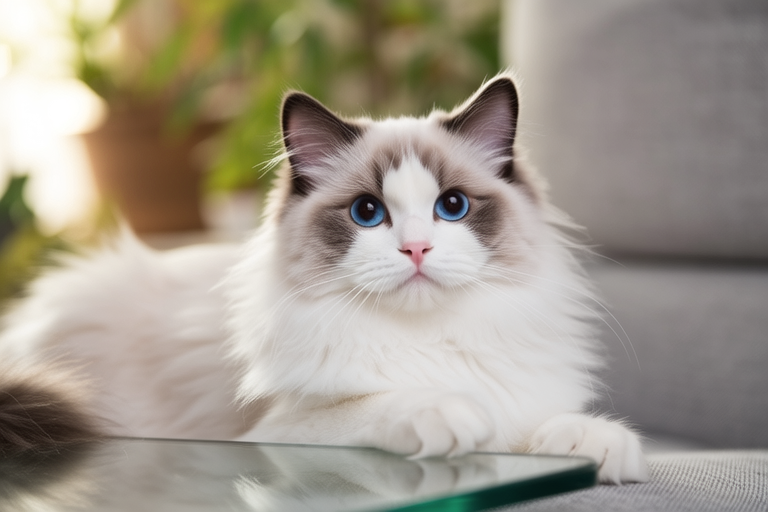
Unveiling the Secrets Behind Ragdoll Cats’ Gentle Nature and Affectionate Personality
The world of feline companionship is vast and varied, with each breed offering its own unique set of characteristics. Among the most beloved and sought-after breeds is the Ragdoll. Known for their gentle demeanor and affectionate personality, Ragdolls have captured the hearts of many cat lovers around the globe. In this article, we will delve into the secrets behind the Ragdoll’s gentle nature, exploring the genetic factors, environmental influences, and historical background that contribute to this breed’s endearing qualities.
A Gentle Demeanor: The Heart of the Ragdoll
Ragdolls are often described as having a “puppy-like” personality, which means they are exceptionally friendly and enjoy human interaction. Their calm and relaxed demeanor makes them ideal companions for families and individuals alike. One of the most distinctive features of Ragdolls is their tendency to go limp when held, much like a rag doll, hence the name. This behavior is not only adorable but also speaks to their trusting and laid-back nature.
These cats are known for their loyalty and affection, often forming strong bonds with their owners. They are highly social animals and thrive in environments where they receive plenty of attention and love. Ragdolls are particularly good with children and other pets, making them excellent additions to multi-pet households.
Genetic Factors and Environmental Influences
The gentle and affectionate nature of Ragdolls can be attributed to a combination of genetic factors and environmental influences. Historically, Ragdolls were selectively bred to possess certain desirable traits, including a docile temperament and a high tolerance for handling. Breeders have worked diligently over generations to refine these qualities, ensuring that each new generation of Ragdolls carries forward the breed’s signature traits.
In addition to genetics, the environment in which a Ragdoll grows up plays a significant role in shaping its personality. A nurturing and loving home provides the foundation for a happy and well-adjusted cat. Positive experiences during the early stages of life can greatly influence a Ragdoll’s socialization and interaction skills, contributing to its overall disposition.
Historical Background and Notable Personalities
The story of the Ragdoll begins in the 1960s in California, when a breeder named Ann Baker crossed her Persian and Angora cats with a stray white long-haired cat she found in her neighborhood. The result was a new breed that combined the best traits of its ancestors, including the striking blue eyes and semi-longhaired coat of the Persian and the playful and affectionate nature of the Angora. Over time, these traits became more pronounced through selective breeding, leading to the development of the modern-day Ragdoll.
Among the notable personalities within the breed are cats like Misty Mists, who is considered one of the founding mothers of the Ragdoll breed. Her offspring have been instrumental in spreading the breed across the United States and beyond. Other influential cats include Taffy, whose lineage has contributed significantly to the breed’s genetic diversity.
Common Behaviors and Bonding with Your Ragdoll
Ragdolls exhibit a range of behaviors that reflect their gentle and affectionate nature. They are highly social and enjoy being part of family activities. Ragdolls are known to follow their owners from room to room, seeking out opportunities to interact and play. They are also very vocal, often communicating their needs and desires through soft meows and purrs.
To strengthen the bond with your Ragdoll, it is important to engage in regular play sessions and offer plenty of affection. Interactive toys and puzzles can help stimulate their minds and keep them entertained. Additionally, providing a comfortable and secure environment is essential for their well-being. Ragdolls appreciate having a designated space where they can relax and feel safe.
Tips for Potential Owners Considering a Ragdoll Cat
If you’re considering adding a Ragdoll to your family, there are several factors to keep in mind. First and foremost, Ragdolls require a lot of attention and affection. They are not suited for homes where they would be left alone for extended periods. If you work long hours or travel frequently, you may want to consider a different breed that is more independent.
Another important aspect to consider is grooming. Ragdolls have semi-longhaired coats that require regular brushing to prevent matting. While they are generally low-maintenance compared to other long-haired breeds, they still need attention to keep their fur healthy and free from tangles.
Lastly, it’s crucial to ensure that your home is safe and secure for a Ragdoll. These cats are known for their curiosity and adventurous spirit, so it’s important to cat-proof your home to prevent accidents. This includes securing windows, covering electrical cords, and providing plenty of vertical spaces for climbing and perching.
Conclusion
Ragdoll cats are truly remarkable companions, known for their gentle nature and affectionate personality. Through a combination of genetic factors and environmental influences, these cats have become beloved members of many households. By understanding the history and behaviors of Ragdolls, you can create a loving and supportive environment that allows them to thrive. Whether you’re a current owner looking to deepen your bond with your Ragdoll or a prospective owner considering adding one to your family, the insights provided here will help you provide the best possible care for these wonderful creatures.
