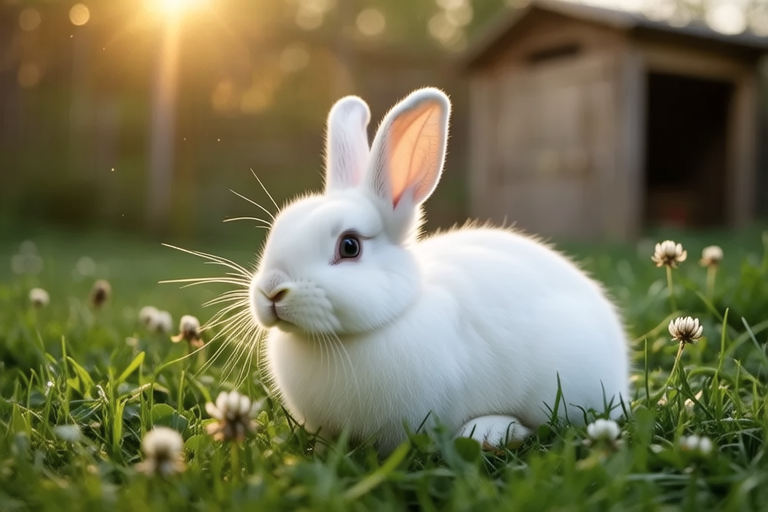
The Hotot Rabbit: From Farm Life to Cherished Pet
The Hotot rabbit, with its striking appearance and gentle nature, has captured the hearts of many rabbit enthusiasts and pet owners around the world. Originating from France, this breed has evolved from a farm animal to a beloved companion. This article delves into the history, characteristics, care requirements, and the growing popularity of the Hotot rabbit, offering valuable insights for both current and prospective owners.
Historical Background and Development
The Hotot rabbit was first developed in France by Eugène Étienne in the early 20th century. Étienne aimed to create a pure white rabbit with black eyes, which would stand out in the market. His efforts led to the creation of the Hotot, named after the village of Hotot-en-Auge where he lived. The breed was initially raised for meat, but over time, its unique appearance and friendly disposition made it popular as a show and pet rabbit. In 1978, the Hotot was officially recognized by the American Rabbit Breeders Association (ARBA).
Distinctive Physical Traits
The Hotot rabbit is easily recognizable due to its distinct physical features. These rabbits have a pure white coat with a narrow band of black fur encircling their eyes, giving them a striking appearance. Their eyes are large and expressive, often referred to as “eyebrows” due to their bold contrast against the white fur. Hotots have a compact, sturdy build, typically weighing between 4 to 6 pounds. They come in two varieties: standard and mini, with the mini being smaller and more delicate.
Temperament and Personality
Hotot rabbits are known for their calm and gentle demeanor, making them excellent pets for families and individuals alike. They are generally friendly and enjoy human interaction, often seeking attention and affection. Despite their small size, they can be quite independent, allowing them to entertain themselves when left alone. However, they thrive on regular socialization and mental stimulation, so it’s important to provide them with plenty of toys and activities to keep them engaged.
Care Requirements
Diet
Like all rabbits, the Hotot requires a well-balanced diet to maintain optimal health. A diet rich in hay, fresh vegetables, and a limited amount of pellets is essential. Timothy hay is particularly recommended, as it aids in digestion and dental health. Fresh water should always be available, and a variety of leafy greens such as romaine lettuce, spinach, and parsley can be offered daily. It’s crucial to avoid feeding rabbits foods high in sugar and starch, as these can lead to obesity and other health issues.
Exercise Needs
Rabbits are naturally active animals and require ample space to move around freely. Providing a spacious indoor or outdoor enclosure is ideal for allowing the Hotot to hop, run, and explore. Daily playtime outside of their enclosure also benefits their physical and mental health. Exercise wheels or tunnels can be added to their living area to encourage movement and prevent boredom.
Housing
Adequate housing is crucial for the well-being of a Hotot rabbit. An indoor cage with solid flooring, bedding material, and enough space for the rabbit to stretch and move comfortably is recommended. The cage should be placed in a quiet, draft-free area away from direct sunlight. Outdoor hutches are also suitable if they are properly insulated and protected from extreme weather conditions. Regular cleaning of the living area is necessary to maintain hygiene and prevent the spread of diseases.
Growing Popularity as a Companion Animal
The Hotot rabbit’s increasing popularity as a pet can be attributed to its unique appearance, friendly personality, and relatively low maintenance. Many people are drawn to the breed’s striking eye pattern, which makes it stand out in a crowd. Additionally, their calm and gentle nature makes them ideal companions for children and adults alike. However, there are some unique challenges to consider when adopting a Hotot rabbit. Due to their small size, they may be more prone to injury if handled improperly. It’s important to supervise interactions with young children and teach them how to handle the rabbit gently.
Future Prospects
The future of the Hotot rabbit looks promising in both agricultural and domestic settings. As interest in rare and exotic breeds continues to grow, the Hotot is likely to become even more popular among rabbit enthusiasts. Breeding programs focused on maintaining genetic diversity and improving health outcomes will play a key role in ensuring the breed’s long-term success. In addition, ongoing research into rabbit nutrition and behavior will help refine care practices, further enhancing the quality of life for Hotot rabbits in both farm and home environments.
In conclusion, the Hotot rabbit has come a long way since its origins as a farm animal in France. Its distinctive appearance, gentle temperament, and low-maintenance care requirements have made it a cherished companion for many. By understanding the unique needs of this breed, potential owners can provide the best possible care and ensure a happy, healthy life for their Hotot rabbit. Whether in a farm setting or as a cherished pet, the Hotot continues to captivate hearts and minds with its unique charm and appeal.
