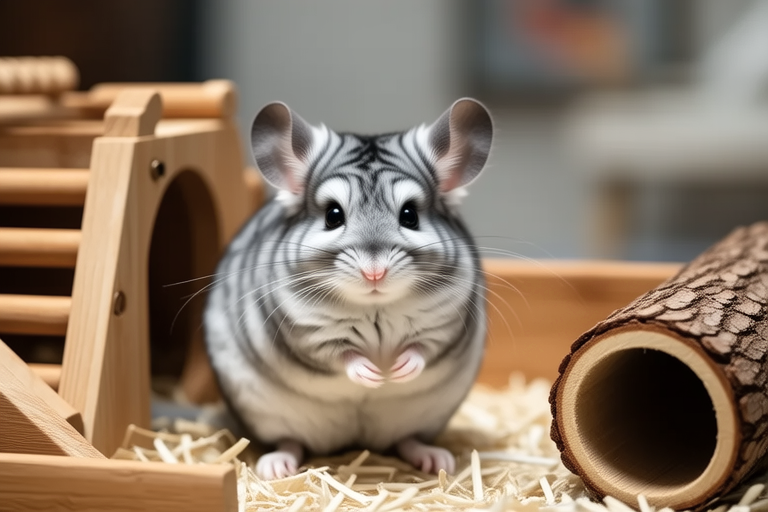
How to Make Your Home Chinchilla-Friendly
Welcome to your comprehensive guide on creating a safe and comfortable living environment for your chinchillas. Whether you’re a first-time owner or have been caring for these adorable rodents for years, this article will provide you with essential tips and insights to ensure your chinchillas thrive in their new home.
Selecting Appropriate Bedding
Choosing the right bedding is crucial for your chinchilla’s health and comfort. Avoid cedar and pine shavings, as they can cause respiratory issues due to their aromatic oils. Opt instead for paper-based bedding or aspen shavings, which are safer and more comfortable for your pets. Ensure the bedding is soft and absorbent to keep the cage clean and dry. Change it regularly to prevent odors and bacterial growth.
Ensuring Adequate Space for Their Cages
Chinchillas need ample space to move around and exercise. A cage that is at least 30 inches wide, 24 inches deep, and 24 inches tall is ideal for one chinchilla. For multiple chinchillas, consider a larger cage or additional enclosures. The cage should be multi-level with ramps and platforms to encourage climbing and exploration. Ensure the bars are spaced correctly to prevent injury and escape. Horizontal spacing between bars should be no wider than 1 inch, while vertical spacing should be no more than 1/2 inch.
Providing Necessary Toys and Hiding Spots
Toys and hiding spots are essential for mental stimulation and comfort. Chinchillas enjoy chewing on untreated wooden toys, which help maintain their teeth and provide entertainment. Cardboard boxes, tunnels, and small igloos make excellent hiding spots, offering security and reducing stress. Rotate toys periodically to keep your chinchillas engaged and interested. Providing a variety of items ensures they remain mentally stimulated.
Maintaining Optimal Temperature
Chinchillas are sensitive to heat, so maintaining an optimal temperature is critical. Keep the room temperature below 75°F (24°C) and avoid direct sunlight. Use air conditioning during hot weather and ensure good ventilation. In colder months, keep them warm with fleece blankets or heated pads, but avoid overheating. Monitor the temperature closely and adjust accordingly.
Securing the Home Against Potential Hazards
Chinchillas are curious and can get into trouble if left unattended. Secure all wires and cords by tucking them away or using cord covers. Keep cleaning supplies, medications, and other hazardous materials out of reach. Secure windows and doors to prevent escape. Check for gaps in the cage and block any openings that could lead to injury or escape. Regularly inspect the environment for potential hazards and address them promptly.
Dust Baths for Grooming Needs
Dust baths are vital for chinchillas’ grooming and skin health. Place a shallow container filled with commercial chinchilla dust in their enclosure twice weekly for about 10-15 minutes. Remove the dust after each bath to prevent ingestion and respiratory issues. Ensure the dust is kept in a cool, dry place when not in use. Integrate dust baths into your daily routine to establish a consistent schedule.
Dietary Requirements and Food Placement
A balanced diet is crucial for your chinchilla’s health. Feed them high-quality hay, fresh water, and a limited amount of pellets designed specifically for chinchillas. Hay should always be available and placed in a hay rack or feeder to minimize waste. Pellets should be provided in a separate dish and monitored to prevent overeating. Fresh water should be accessible at all times through a sipper bottle. Place food and water sources in areas that are easy for the chinchillas to access but protected from contamination.
Practical Tips for New and Experienced Owners
For new owners, take time to understand your chinchilla’s behavior and needs. Observe their habits and adjust their environment accordingly. Experienced owners should continue learning and adapting their care methods. Stay informed about the latest research and best practices in chinchilla care. Engage with local chinchilla clubs or online communities for support and advice. Regular veterinary check-ups are also essential for maintaining your chinchilla’s health.
In conclusion, making your home chinchilla-friendly involves careful planning and attention to detail. By selecting appropriate bedding, ensuring adequate space, providing necessary toys and hiding spots, maintaining optimal temperature, securing the home against potential hazards, integrating dust baths, and addressing dietary requirements, you can create a safe and comfortable living environment for your chinchillas. With these practical tips, both new and experienced owners can ensure their chinchillas live happy, healthy lives.
