Before You Get Koi: Everything You Need to Know About These Aquatic Beauties
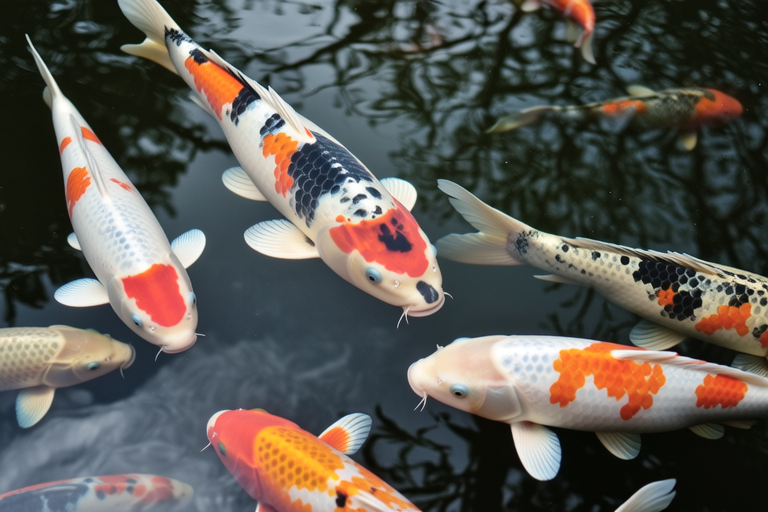
Koi fish are a popular choice for ponds and water gardens due to their vibrant colors and graceful movements. These aquatic beauties have captivated people for centuries, and their popularity continues to grow. Before diving into the world of koi keeping, it’s important to understand their history, the essentials of koi care, and what it takes to provide them with a thriving environment.
The History and Popularity of Koi Fish
Koi, or Nishikigoi, originated in Japan during the 18th century as a result of selective breeding of common carp. Initially bred for their ability to survive harsh winters, these fish soon became prized for their striking patterns and colors. Over time, various breeds emerged, each with unique characteristics and markings. Today, koi are admired worldwide for their beauty and are often considered a symbol of good luck and prosperity.
Despite their origins, koi are now enjoyed by aquarists and pond owners across the globe. Their popularity can be attributed to their hardiness, ease of care, and the aesthetic appeal they bring to any outdoor space. However, owning koi requires more than just a pond; it involves careful planning and ongoing maintenance to ensure their well-being.
Essential Factors to Consider Before Purchasing Koi
Choosing the Right Pond
The first step in koi keeping is selecting an appropriate pond. The size and depth of the pond are crucial for providing enough space for your koi to swim freely and ensuring that the water remains at a stable temperature. A general rule of thumb is to have at least 100 gallons of water per inch of koi. Additionally, the pond should be deep enough to prevent freezing during winter months.
Proper filtration is equally important. Koi produce a significant amount of waste, so a high-quality filtration system is necessary to maintain water quality. Filters should remove debris, break down harmful ammonia, and promote beneficial bacteria growth. Consult with a professional or research thoroughly to find the best filtration system for your pond size and koi population.
Maintenance Requirements
Regular maintenance is key to keeping your koi healthy and happy. This includes monitoring water quality, performing routine water changes, and cleaning the pond. Test kits are available to check pH levels, ammonia, nitrite, and nitrate concentrations. Maintaining proper water chemistry ensures that your koi remain disease-free and thrive.
Additionally, regular pond cleaning helps keep algae under control and prevents the buildup of organic matter. Algae can deplete oxygen levels and block sunlight, which is essential for plants and other aquatic life. Use natural methods such as barley straw or UV sterilizers to manage algae growth without harming your koi.
Dietary Needs and Ideal Water Conditions
Feeding Your Koi
Proper nutrition is vital for koi health. A balanced diet should include protein-rich foods like pellets or flakes, supplemented with occasional treats such as freeze-dried or live foods. During warmer months when koi are more active, feed them several times daily. In colder seasons, reduce feeding frequency as their metabolism slows down.
It’s important to avoid overfeeding, as excess food can pollute the pond and lead to poor water quality. Always monitor how much your koi eat within a few minutes and adjust accordingly. Providing a varied diet promotes coloration and overall vitality.
Water Quality and Temperature
Optimal water conditions contribute significantly to koi health. Maintain a pH level between 6.8 and 8.0, and keep ammonia and nitrite levels as close to zero as possible. Ammonia is toxic to fish, so ensuring adequate filtration and performing regular water changes are critical.
Temperature fluctuations can stress koi, making them susceptible to diseases. Ideally, keep the water temperature between 65°F and 75°F (18°C and 24°C). Use heaters if necessary to maintain consistent temperatures, especially during colder months.
Common Health Issues and Selecting Healthy Koi
Health Problems and Prevention
Like any living creature, koi are prone to certain health issues. Common problems include fin rot, bacterial infections, and parasites. Regular observation allows you to catch early signs of illness, such as lethargy, loss of appetite, or abnormal swimming behavior.
To prevent diseases, practice good hygiene by keeping the pond clean and maintaining optimal water conditions. Quarantine new additions to the pond for several weeks to ensure they don’t introduce pathogens. Also, consider using prophylactic treatments recommended by veterinarians or experienced koi keepers.
Selecting Healthy Koi
When choosing koi, look for vibrant colors, smooth scales, clear eyes, and active swimming behavior. Avoid fish showing signs of injury, discoloration, or unusual spots. Reputable breeders will provide detailed information about the lineage and health status of their koi.
Ask about the breeding practices used and whether the koi were raised in clean, well-maintained environments. Buying from reliable sources increases the likelihood of obtaining healthy fish that will thrive in your pond.
Creating a Safe and Enriching Environment
Once you’ve established a suitable pond and selected healthy koi, focus on creating an enriching habitat. Incorporate features like rocks, plants, and hiding spots to mimic natural environments. These elements encourage exploration and provide shelter, reducing stress and promoting mental stimulation.
Plants also play a crucial role in maintaining water quality by absorbing nutrients and producing oxygen. Choose species compatible with koi, such as water lilies or lotus plants, which offer shade and resting places.
Long-Term Commitment
Owning koi is a rewarding but long-term commitment. These fish can live upwards of 20 years or more, so be prepared for the responsibility that comes with caring for them throughout their lifespan. Regularly assess the pond’s condition and adapt your maintenance routine as needed. Stay informed about advancements in koi care and join local communities or online forums to connect with fellow enthusiasts.
In conclusion, before getting koi, take the time to understand their needs and prepare adequately. With proper planning, dedication, and care, you’ll enjoy watching these magnificent creatures flourish in your very own backyard oasis.
