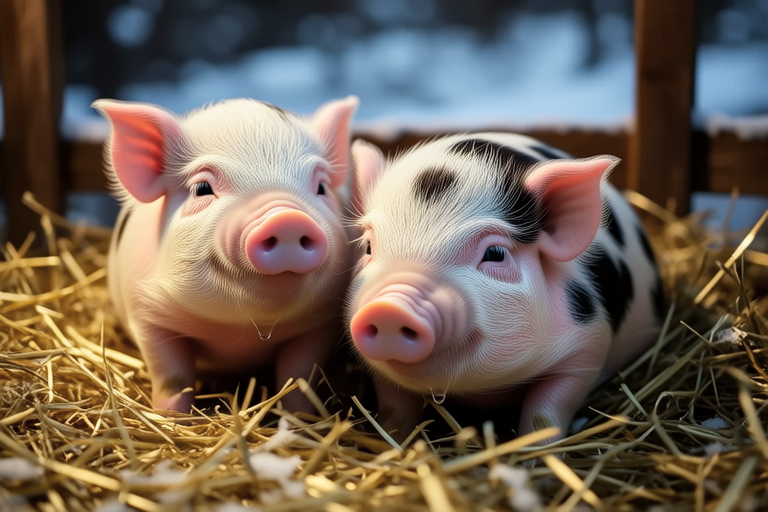
Guinea Pigs in Winter: Expert Tips for Keeping Them Cozy
Welcome to our guide on how to keep your guinea pigs cozy and healthy during the winter months. Guinea pigs, or cavies, are small rodents that require special attention when the temperatures drop. Unlike many other animals, guinea pigs do not hibernate and need to be kept warm and comfortable throughout the year. This article will provide you with expert advice on maintaining the perfect environment for your pet, ensuring their diet is nutritious, encouraging physical activity, and monitoring their health.
The Unique Needs of Guinea Pigs in Winter
Guinea pigs are native to the Andes Mountains in South America, where they experience mild winters. However, when brought into environments with harsher climates, they can struggle to maintain their body heat. They are sensitive to both extreme heat and cold, making it crucial for owners to understand their specific needs during the colder months. The primary concern is maintaining a stable temperature within their living space, as guinea pigs can suffer from hypothermia if exposed to cold for extended periods. Additionally, their dietary requirements may change slightly to support their immune system and overall health during this time.
Maintaining Optimal Temperature in Their Living Space
To ensure your guinea pig stays warm and comfortable, it’s essential to maintain a consistent temperature between 65°F and 79°F (18°C to 26°C). Avoid placing their cage near windows or drafty areas, as these can cause sudden temperature fluctuations. If necessary, consider using a heating pad or a ceramic heat emitter designed specifically for small animals. Always place the heat source at one end of the enclosure so that your guinea pig can move away if they feel too warm. Ensure there is proper ventilation to prevent overheating and mold growth.
Suitable Bedding Materials for Insulation
Selecting appropriate bedding is crucial for providing insulation against the cold. Shredded paper, recycled paper products, and softwood shavings like aspen are excellent choices for keeping your guinea pig warm and dry. Avoid using cedar or pine shavings, as they can irritate your pet’s respiratory system. Layer the bedding generously, ensuring it provides sufficient cushioning and warmth. Replace it regularly to maintain hygiene and prevent bacterial growth.
Dietary Adjustments to Support Health in Winter
Your guinea pig’s diet should include plenty of fresh hay, which serves as a natural fiber source and helps regulate digestion. During winter, supplement their diet with additional vitamin C-rich foods such as bell peppers, oranges, kiwis, and strawberries. Guinea pigs cannot produce their own vitamin C, so it’s vital to ensure they receive enough through their food. Introduce new vegetables gradually to avoid digestive upset. Consult with a veterinarian if you’re unsure about the best dietary changes for your pet.
The Importance of Regular Exercise Despite Cold Weather
Physical activity is just as important in winter as it is during warmer months. Encourage your guinea pig to move around by providing toys, tunnels, and exercise wheels. Supervised playtime outside of the cage allows them to stretch their legs and explore new environments safely. Ensure any outdoor area is free from drafts and potential hazards before allowing your pet to venture out. Regular exercise supports cardiovascular health and mental stimulation, contributing to overall well-being.
Grooming and Checking for Signs of Illness
Regular grooming helps remove dirt and loose fur while promoting circulation. Use a soft brush to gently comb through your guinea pig’s coat, paying particular attention to areas prone to matting. Check their skin for any unusual lumps or redness that could indicate underlying issues. Monitor their behavior closely for signs of lethargy, loss of appetite, or difficulty breathing, all of which might suggest illness. Early detection and treatment are key to preventing more serious health problems.
Conclusion: Adapting Care Routines for Comfort and Health
By following these expert tips, you’ll be well-equipped to adapt your care routine and ensure your guinea pig remains comfortable and healthy throughout the winter. Remember that each animal has individual needs, so tailor your approach accordingly. Stay vigilant about temperature control, bedding quality, dietary adjustments, exercise opportunities, and regular health checks. With attentive care and affection, your beloved pet will thrive even in the coldest conditions.
