Betta’s Hidden Talents: 7 Surprising Facts About These Colorful Companions
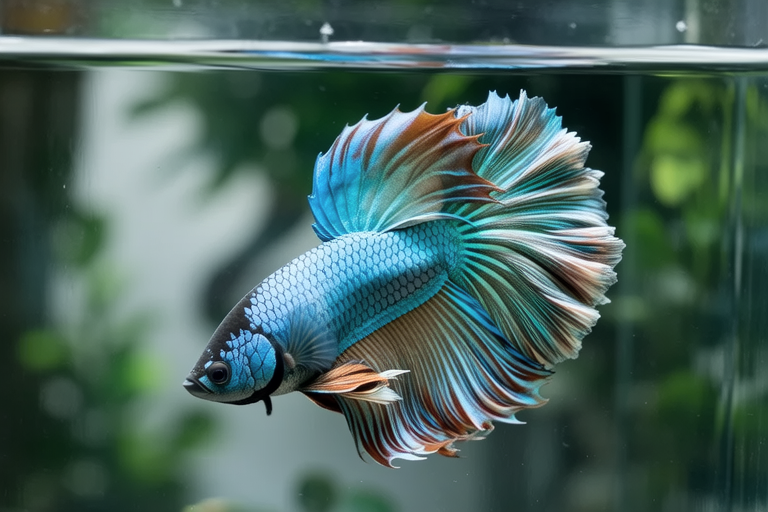
Betta fish, also known as Siamese fighting fish, are among the most popular pets worldwide due to their vibrant colors and unique personalities. These captivating creatures have been cherished for centuries, admired for their striking appearance and often misunderstood for their aggressive behavior. Despite their reputation, Betta fish are intelligent, social animals that can thrive in the right environment. This article will uncover seven lesser-known facts about Betta fish, offering insights into their intelligence, recognition abilities, health benefits, environmental preferences, dietary peculiarities, history, and other surprising traits.
Fact 1: Betta Fish Are Smarter Than You Think
Contrary to popular belief, Betta fish possess a level of intelligence that rivals many other small pets. They have the ability to learn from their surroundings and even recognize their owners. Studies have shown that Betta fish can be trained to perform tricks and respond to specific stimuli, such as feeding times or certain sounds. This intelligence makes them engaging companions, capable of forming bonds with their caretakers.
Fact 2: Betta Fish Can Recognize Their Owners
Research has indicated that Betta fish can indeed recognize their owners. When approached regularly, they tend to become more interactive and may even swim towards the front of the tank when they see familiar faces. This recognition is a result of their excellent vision and memory, allowing them to associate specific individuals with positive experiences like feeding.
Fact 3: Owning a Betta Fish Can Improve Your Mental Health
Having a Betta fish as a pet can contribute to improved mental health. The calming presence of these colorful companions has been linked to reduced stress levels and increased feelings of well-being. Observing their graceful movements and vibrant colors can serve as a therapeutic activity, providing moments of peace amidst busy schedules.
Fact 4: Betta Fish Have Specific Environmental Preferences
Betta fish require a carefully controlled environment to thrive. They prefer warmer waters with temperatures between 76-82°F (24-28°C). Additionally, they need a stable pH level around 6.5-7.5 and minimal ammonia and nitrite levels. Providing a spacious tank with plenty of hiding spots and plants can enhance their comfort and stimulate their natural behaviors.
Fact 5: Betta Fish Have Unique Dietary Needs
Betta fish are carnivorous by nature and require a diet rich in protein. While they can eat a variety of foods, including pellets and flakes, it’s essential to provide them with live or frozen foods such as brine shrimp, bloodworms, and daphnia. Supplementing their diet with occasional treats like mosquito larvae can also be beneficial.
Fact 6: A Rich History Behind Betta Fish
The history of Betta fish dates back to ancient Southeast Asia, where they were first discovered in rice paddies and slow-moving streams. In Thailand, Betta fish were bred for combat, leading to the development of various breeds with distinct characteristics. Today, Betta fish are primarily kept as ornamental pets, appreciated for their beauty and intelligence.
Fact 7: Betta Fish Exhibit Surprising Social Behavior
While Betta fish are often portrayed as solitary creatures, they can exhibit complex social behaviors. In the wild, they live in groups and interact with other species. However, in captivity, it’s crucial to provide them with ample space and hiding spots to avoid territorial disputes. Properly arranged environments can allow Betta fish to coexist peacefully with other non-aggressive species.
Caring for Betta Fish: Creating a Healthy, Stimulating Environment
To ensure your Betta fish lead happy and healthy lives, it’s important to create a stimulating environment that meets their specific needs. Start by choosing an appropriate tank size; at least five gallons is recommended. Maintain optimal water conditions through regular water changes and proper filtration. Provide a variety of hiding spots and plants to mimic their natural habitat. Feed them a balanced diet and monitor their health closely. By paying attention to these details, you’ll foster a thriving environment for your Betta fish.
In conclusion, Betta fish are fascinating creatures with many hidden talents waiting to be discovered. From their intelligence and ability to recognize owners to their unique dietary needs and social behaviors, these colorful companions offer much more than just visual appeal. By understanding and addressing their specific requirements, you can provide them with a healthy, stimulating environment that enhances their well-being. Whether you’re a seasoned pet owner or considering adding a Betta fish to your household, taking the time to learn about their needs will enrich your experience and ensure a rewarding relationship.
