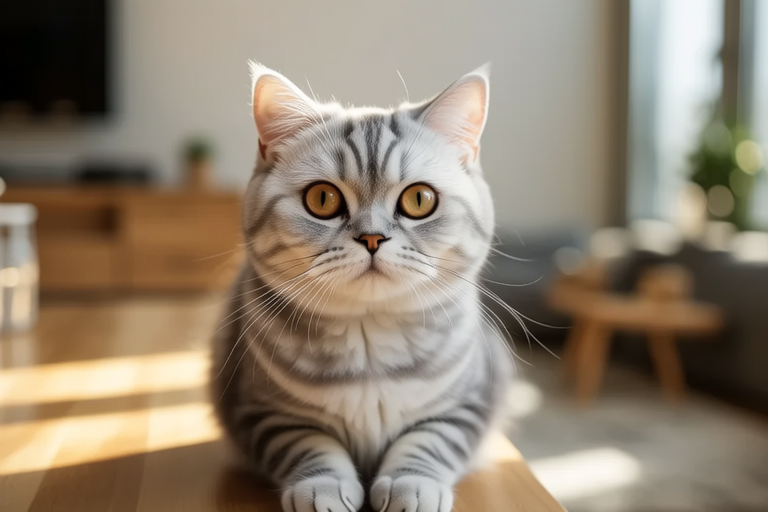
The British Shorthair: A Fluffy Silver Charm
The British Shorthair is one of the oldest cat breeds in Britain, known for its distinctive fluffy silver coat and charming personality. With a robust build, round face, and captivating copper eyes, this breed is truly unique. Their gentle demeanor and affectionate nature make them perfect companions for families and individuals alike. In this article, we will explore the key features, temperament, suitability for families, grooming needs, health considerations, and dietary requirements of the British Shorthair. We’ll also share some heartwarming anecdotes that highlight their endearing behavior, concluding with reasons why you should consider this breed as your next pet.
Distinctive Features
The British Shorthair’s most striking feature is its plush, silver coat. The dense, short fur gives these cats a distinctively chunky appearance. Their coat comes in various colors, but the silver variant is particularly popular. This breed has a broad chest, muscular body, and a short tail, which adds to their sturdy and powerful look. Their round faces, complete with expressive copper eyes, give them a sweet and innocent expression. Their large, round heads are adorned with small, pointed ears, adding to their overall adorable appearance.
Temperament and Personality
British Shorthairs are known for their calm and even-tempered nature. They are generally patient and gentle, making them excellent companions for children and other pets. These cats are not overly active, preferring to spend their time lounging around the house. They enjoy human interaction but are not demanding of attention, allowing them to be independent when necessary. Their friendly and relaxed demeanor makes them ideal for families looking for a low-maintenance, affectionate pet.
One of the most endearing traits of the British Shorthair is their curiosity. They have a natural inclination to explore their surroundings, often finding interesting nooks and crannies to investigate. One owner shared a story about her British Shorthair, named Luna, who would sit quietly beside her while she worked from home. Whenever Luna spotted something unusual, she would nudge her owner’s hand with her paw, as if to say, “Hey, check this out!” This gentle nudging became a daily ritual, showcasing the breed’s playful and curious side.
Suitability for Families
British Shorthairs are well-suited for family life due to their calm and friendly nature. They are patient with children and can tolerate rough play, provided they are treated gently. Their relaxed demeanor means they are less likely to become stressed in a busy household. Additionally, their affectionate nature makes them great companions for older adults who may need a comforting presence. Whether you’re a busy family or a single individual, the British Shorthair’s adaptable and loving nature ensures they will fit seamlessly into your lifestyle.
Grooming Needs
Despite their thick coats, British Shorthairs require minimal grooming. Their short, dense fur sheds moderately, so regular brushing once or twice a week is recommended to remove loose hair and prevent matting. Bathing is usually unnecessary unless the cat gets particularly dirty. It’s important to maintain good dental hygiene by brushing their teeth regularly and providing dental treats. Nail trimming should also be done every few weeks to prevent overgrowth.
Health Considerations
British Shorthairs are generally healthy cats, but like all breeds, they are prone to certain health issues. Polycystic kidney disease (PKD) is a common genetic disorder that affects this breed. Regular veterinary check-ups and genetic testing can help identify and manage this condition. Other potential health concerns include hip dysplasia, hypertrophic cardiomyopathy, and obesity. Maintaining a balanced diet and ensuring regular exercise can help mitigate these risks.
Dietary Requirements
A balanced diet is crucial for maintaining the health and vitality of your British Shorthair. High-quality cat food that meets the nutritional needs of your cat is essential. Wet food is preferable as it provides more hydration and can help prevent urinary tract issues. Dry food can be offered in moderation as a treat or topper. It’s important to avoid feeding your cat human food, especially those containing chocolate, onions, or garlic, as these can be toxic. Providing fresh water at all times is also vital.
Anecdotes and Stories
Many owners have shared delightful stories about their British Shorthairs’ quirky behaviors. One owner, Sarah, recounted how her cat, Oliver, had a peculiar habit of sitting on top of the washing machine during spin cycles. Oliver would wait patiently until the cycle ended, then jump down and stretch leisurely. Another owner, Tom, told the story of his cat, Bella, who loved to nap in the sunniest spots of the house. Bella would often find the warmest patches and curl up there for hours, occasionally waking up to give her humans a loving purr.
Conclusion: Why You Should Adopt a British Shorthair
The British Shorthair is a delightful addition to any home, offering a combination of charm, intelligence, and affection. Their distinctive silver coat, coupled with their round faces and copper eyes, make them visually appealing. Their calm and gentle temperament, along with their adaptability, ensures they will thrive in a variety of environments. While they require minimal grooming, it’s important to prioritize their health and dietary needs to ensure a long and happy life. With their playful curiosity and affectionate nature, the British Shorthair is sure to bring joy and companionship to your household. If you’re looking for a loyal and loving companion, consider adopting a British Shorthair – you won’t regret it!
