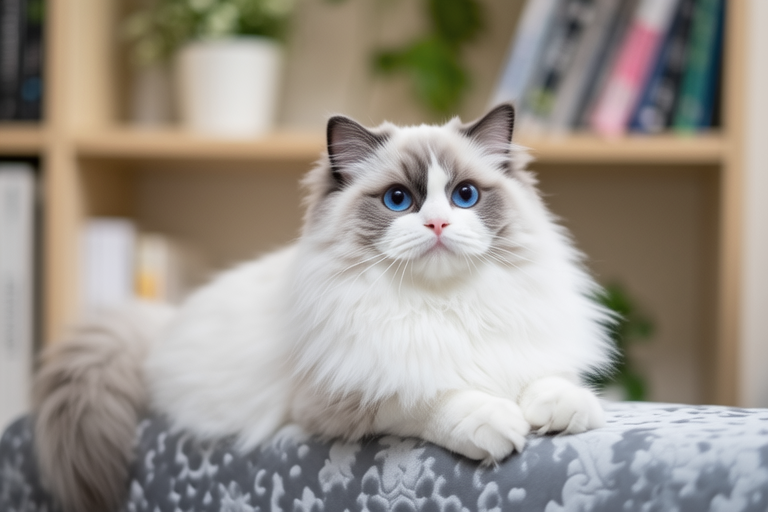
Pawsitively Perfect: Essential Tips for Caring for Your Persian Cat
Welcome to the world of Persian cats! These regal felines are known for their luxurious coats, expressive eyes, and gentle demeanor. Persian cats have been a favorite among cat enthusiasts for centuries, and it’s no wonder why. However, caring for a Persian cat requires some special attention to ensure they remain healthy, happy, and well-groomed. In this comprehensive guide, we’ll cover everything from grooming needs to dietary requirements, health considerations, living environment tips, and behavioral insights specific to Persian cats.
Understanding the Persian Cat
Persian cats are one of the oldest domesticated cat breeds, dating back thousands of years. They are characterized by their flat faces, large round eyes, and long, flowing coats. Their calm and affectionate nature makes them excellent companions for families and individuals alike. Persian cats are generally docile and enjoy lounging around, making them perfect for homes where peace and quiet are cherished.
Grooming Needs
One of the most distinctive features of Persian cats is their long, silky coat. While this coat is undeniably beautiful, it also requires significant grooming to maintain its luster and prevent matting. Regular brushing is essential to keep your Persian cat’s coat in top condition.
- Brushing Frequency: Aim to brush your Persian cat at least twice a week, but daily brushing is ideal. This helps remove loose hair, prevent tangles, and distribute natural oils throughout the coat.
- Choosing the Right Brush: Invest in a high-quality slicker brush and a wide-toothed comb. The slicker brush will help remove undercoat fur, while the comb will smooth out the top layer.
- Bathing: Bathe your Persian cat every four to six weeks or as needed. Use a mild, pH-balanced shampoo specifically designed for cats. Be sure to rinse thoroughly to avoid leaving any residue behind.
- Eyecare: Persian cats often have tear stains around their eyes due to their flattened faces. Wipe their eyes gently with a damp cotton ball or soft cloth to keep the area clean and prevent infections.
Dietary Requirements
A balanced diet is crucial for maintaining your Persian cat’s overall health and well-being. Persian cats can be prone to obesity, so it’s important to monitor their food intake and provide a diet that supports their specific needs.
- High-Quality Food: Choose a high-quality commercial cat food that meets all of your Persian cat’s nutritional requirements. Look for foods that are rich in protein, low in carbohydrates, and free from artificial additives.
- Portion Control: Feed your Persian cat measured portions to prevent overeating. Consult your veterinarian for guidance on the appropriate amount based on your cat’s age, weight, and activity level.
- Water Intake: Ensure your Persian cat has access to fresh water at all times. Some cats may benefit from a pet fountain, which encourages drinking by providing a continuous flow of water.
- Treats: Offer treats sparingly and choose ones that are healthy and appropriate for your cat’s dietary needs. Avoid giving human food, especially those containing chocolate, caffeine, or onions.
Health Considerations
Persian cats are generally healthy, but they are predisposed to certain health issues due to their genetics and physical characteristics. Regular veterinary check-ups and preventive care are essential to keep your Persian cat in optimal health.
- Respiratory Issues: Due to their flattened faces, Persian cats are more susceptible to respiratory problems. Keep their living environment clean and well-ventilated to minimize dust and allergens.
- Eye Problems: Tear staining and eye infections are common in Persian cats. Clean their eyes regularly and consult your vet if you notice any discharge or redness.
- Urinary Tract Health: Persian cats are prone to urinary tract infections and blockages. Provide plenty of fresh water and consider adding wet food to their diet to increase hydration.
- Dental Care: Dental hygiene is important for all cats. Brush your Persian cat’s teeth regularly or provide dental chews and toys to promote good oral health.
Living Environment Tips
Creating a comfortable and stimulating living environment is key to your Persian cat’s happiness and well-being. Here are some tips to ensure your Persian cat thrives in their home:
- Safe Spaces: Provide cozy, safe spaces for your Persian cat to retreat to when they need some alone time. Consider creating a designated area with soft bedding, a litter box, and a few toys.
- Vertical Space: Persian cats enjoy climbing and perching. Install cat trees, shelves, or window perches to give your cat opportunities to explore and exercise.
- Temperature Control: Persian cats prefer cooler temperatures. Ensure your home is comfortably cool, especially during hot summer months. Provide air conditioning or fans if necessary.
- Toys and Playtime: Engage your Persian cat with interactive toys and play sessions to stimulate their mind and body. Puzzle feeders and laser pointers are great options for mental and physical exercise.
Behavioral Insights
Persian cats are known for their calm and gentle demeanor, but like all cats, they have unique personalities and preferences. Understanding your Persian cat’s behavior can help strengthen your bond and ensure a harmonious relationship.
- Social Interaction: Persian cats enjoy companionship but are not overly demanding. Spend quality time with your cat through gentle petting, talking, and play. They thrive on routine and consistency.
- Playfulness: While Persian cats are generally relaxed, they still need mental and physical stimulation. Rotate toys regularly to keep them interested and engaged. Interactive play sessions are particularly beneficial.
- Training: Persian cats are intelligent and can be trained to use a scratching post or come when called. Use positive reinforcement techniques such as treats and praise to encourage desired behaviors.
- Mental Stimulation: Enrich your Persian cat’s environment with puzzle toys, treat-dispensing gadgets, and interactive games. Mental stimulation is just as important as physical exercise for keeping your cat happy and healthy.
Conclusion
Caring for a Persian cat is a rewarding experience that comes with its own set of challenges. By understanding their grooming needs, dietary requirements, health considerations, living environment tips, and behavioral insights, you can provide your Persian cat with the best possible life. With proper care and attention, your Persian cat will undoubtedly bring joy and companionship to your home for many years to come.
