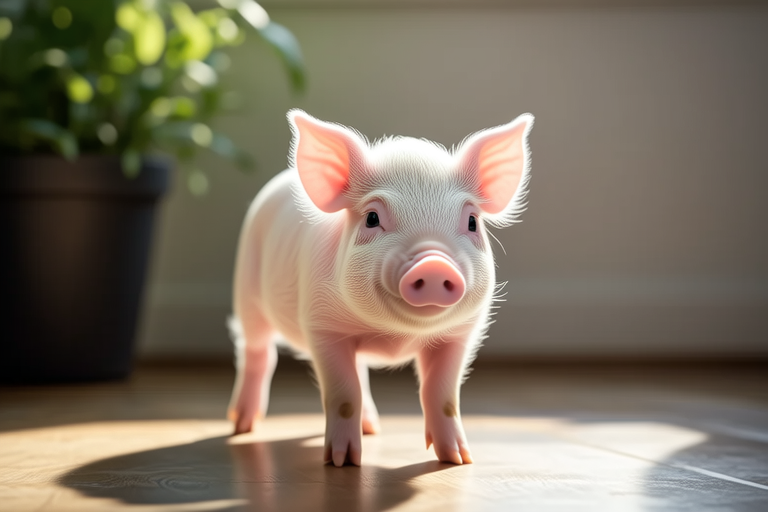
Adopting a Mini Pig: Everything You Didn’t Expect!
Welcome to the wonderful world of mini pigs! These adorable, intelligent creatures can make fantastic companions, but they come with a set of unique challenges that many potential owners may not anticipate. From dietary needs to space requirements, understanding these surprising aspects can help you prepare for a rewarding yet demanding experience. Let’s dive into everything you didn’t expect when adopting a mini pig.
Dietary Needs: More Than Just Apples
One common misconception about mini pigs is that they thrive on a diet of fruits and vegetables. While it’s true that pigs enjoy a variety of produce, their nutritional requirements are more complex than one might think. Mini pigs need a balanced diet rich in fiber, vitamins, and minerals to maintain optimal health. Commercial pig feed designed specifically for their nutritional needs is essential. It’s important to avoid overfeeding them, as mini pigs are prone to obesity, which can lead to serious health issues such as heart disease and joint problems.
Water is another critical aspect of a mini pig’s diet. Always ensure they have access to clean, fresh water at all times. Dehydration can be dangerous for these animals, so monitoring their hydration levels is crucial.
Space Requirements: Not Your Average Pet
Mini pigs, despite their name, can grow quite large—up to 75 pounds or more. They require ample space to move around comfortably. A spacious backyard with secure fencing is ideal, as pigs are curious and can dig under fences if given the chance. Indoor living spaces should also be carefully considered; pigs can be destructive if left alone too long, especially if they don’t have enough room to exercise.
In addition to physical space, mental stimulation is vital. Pigs are highly intelligent and need activities to keep their minds engaged. Providing toys, puzzles, and regular interaction helps prevent boredom and destructive behavior.
Behavioral Traits: Smart and Social Creatures
Mini pigs are known for their intelligence, making them quick learners. They can be trained to perform tricks, use a litter box, and even walk on a leash. However, this intelligence also means they can be manipulative and stubborn. Consistent training and positive reinforcement are key to establishing a strong bond and clear boundaries.
Socialization is another important factor. Mini pigs are social animals and often form strong bonds with their human families. They can become attached to specific individuals and may show affectionate behaviors like nudging or snuggling. However, they can also exhibit jealous tendencies, particularly around food or attention.
Health Issues: Common Concerns and Prevention
Like any pet, mini pigs are susceptible to various health issues. One of the most common is obesity, as mentioned earlier. Regular weigh-ins and a balanced diet are crucial for maintaining their health. Other concerns include skin conditions, parasites, and respiratory infections.
Veterinary care is essential. Regular check-ups, vaccinations, and deworming are necessary to keep your pig healthy. Early detection and treatment of health issues can prevent more serious complications down the line. Additionally, spaying or neutering your pig can reduce the risk of certain cancers and other health problems.
Time Commitment: A Full-Time Job
Owning a mini pig is a significant time commitment. They require daily interaction, exercise, and grooming. Feeding times, play sessions, and cleaning up after them can take several hours each day. Mini pigs also need routine vet visits and regular maintenance of their living environment.
It’s important to consider your schedule before bringing a mini pig into your home. If you work long hours or travel frequently, a mini pig may not be the right choice for you. These animals thrive on routine and companionship, and neglecting their needs can lead to behavioral problems and poor health.
Tips for Potential Owners
If you’re still considering adopting a mini pig, here are some tips to help you prepare:
- Research thoroughly: Learn as much as you can about mini pigs before making a decision. Understanding their needs and challenges will help you provide the best care possible.
- Find a reputable breeder or rescue: Avoid purchasing from backyard breeders or puppy mills. Reputable sources prioritize the health and well-being of their animals.
- Prepare your home: Ensure your living space is safe and secure for a mini pig. Remove any potential hazards and create a comfortable, stimulating environment.
- Be patient: Training and bonding with your new pig may take time. Patience and consistency are key to building a strong relationship.
Real Experiences: Insights from Owners
Let’s hear from some real mini pig owners about their experiences:
“I adopted a mini pig named Daisy two years ago. She has brought so much joy to our family, but she also requires a lot of attention. We had to adjust our schedules to accommodate her feeding and playtime. It was a big change, but we wouldn’t trade her for anything.” – Sarah M.
“Our mini pig, Charlie, loves playing outside in the yard. He’s very active and enjoys digging and exploring. We had to install a deep fence to keep him contained, but it was worth it to see him happy and healthy.” – John D.
“Mini pigs are incredibly smart, but they can also be quite stubborn. We’ve had to be very consistent with training and rewards to establish good behavior. It’s a bit of work, but it’s so rewarding when they finally understand what we want.” – Emily W.
Conclusion
Adopting a mini pig is a big decision that comes with its fair share of surprises. From their dietary needs and space requirements to their behavioral traits and health concerns, there’s much to consider. By being well-informed and prepared, you can ensure a happy, healthy life for your mini pig and yourself. With the right approach, these intelligent, social creatures can make wonderful additions to your family.
