Unleashing the Mystique of the Ragdoll: The Ultimate Lap Cat Companion
The world of feline companionship is vast and diverse, offering a myriad of breeds that cater to different preferences and lifestyles. Among the most cherished and sought-after companions are the Ragdolls, a breed known for their striking appearance, gentle demeanor, and unparalleled affection. This article delves into the unique characteristics, history, temperament, and care requirements of the Ragdoll cat, providing valuable insights for both current and prospective owners.
A Brief History and Distinctive Features
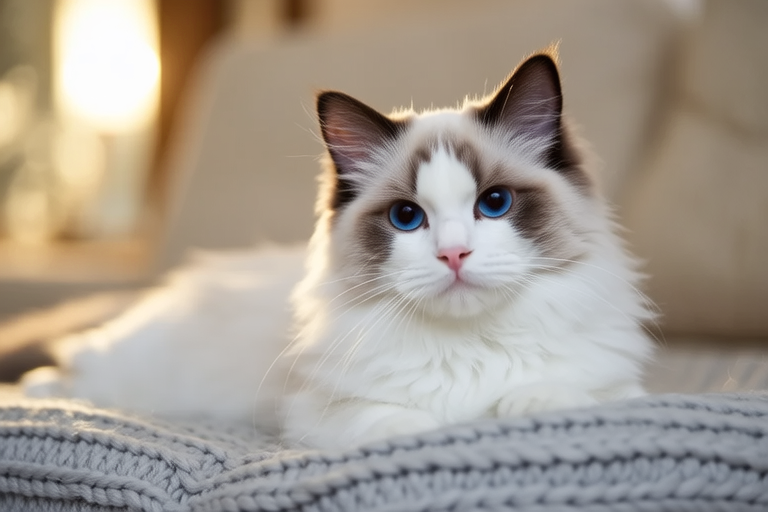
The Ragdoll breed originated in the United States during the 1960s, thanks to the efforts of a breeder named Ann Baker. She crossed a Persian and a Birman cat, resulting in a cat with a semi-longhair coat, striking blue eyes, and a docile temperament. The name ‘Ragdoll’ was coined due to the cat’s tendency to go limp when picked up, much like a rag doll. These cats have a soft, silky coat that comes in various colors and patterns, adding to their allure.
One of the most distinctive features of the Ragdoll is its large size and muscular build, which gives it a regal appearance. Their semi-longhair coats are plush and require regular grooming to keep them tangle-free and shiny. The Ragdoll’s coat is typically medium length, with a dense undercoat that provides insulation against cold weather. Their blue eyes, framed by their long, silky fur, add to their mystique and make them instantly recognizable.
Temperament and Personality
Ragdolls are renowned for their docile and relaxed demeanor, making them perfect companions for those seeking a calm and peaceful pet. They are highly social animals, often following their owners around the house and seeking out attention and affection. Their affectionate nature is one of their most endearing qualities; they enjoy being held and cuddled, making them ideal lap cats. Their gentle disposition also makes them excellent pets for families with children and other pets.
Despite their laid-back nature, Ragdolls are intelligent and playful, especially during their younger years. They enjoy interactive playtime with toys and can be trained to fetch or walk on a leash. Their adaptability and willingness to engage in activities make them enjoyable companions for people of all ages. One owner, Sarah Thompson, shares her experience: “Our Ragdoll, Luna, has become an integral part of our family. She loves to sit with us on the couch, and she even enjoys going for short walks outside. She’s incredibly affectionate and always seems to know when we need some extra love.”
Grooming Needs
Due to their semi-longhair coats, Ragdolls require regular grooming to maintain their coat’s health and appearance. Weekly brushing helps prevent matting and keeps the coat free of loose hair and debris. Owners should also pay attention to their cat’s nails, trimming them regularly to avoid overgrowth. Bathing may be necessary occasionally, but it should be done gently to avoid causing stress to the cat.
In addition to physical grooming, maintaining dental hygiene is crucial for Ragdolls. Regular tooth brushing and providing appropriate chew toys can help prevent dental issues. Owners should also ensure their cats have access to fresh water at all times and provide a balanced diet rich in essential nutrients.
Health Considerations
While Ragdolls are generally healthy cats, they are prone to certain genetic conditions that owners should be aware of. Hypertrophic cardiomyopathy (HCM) is a common heart condition that can affect Ragdolls, particularly males. Regular veterinary check-ups can help detect early signs of this condition, allowing for timely intervention.
Another concern for Ragdoll owners is obesity, which can lead to various health issues, including diabetes and arthritis. Providing a balanced diet and encouraging regular exercise can help maintain a healthy weight. Obesity can also exacerbate joint problems, so keeping your Ragdoll lean and fit is essential for their overall well-being.
Dietary Requirements
Ragdolls thrive on a high-quality, protein-rich diet that meets their nutritional needs. Cats are obligate carnivores, meaning they require animal-based proteins to thrive. A diet rich in meat, fish, or poultry can provide the necessary amino acids, vitamins, and minerals that Ragdolls need for optimal health. Owners should consult with their veterinarian to determine the best diet for their cat based on age, activity level, and any specific health concerns.
Feeding guidelines should be followed closely to avoid overfeeding, which can lead to obesity. Many owners find that feeding their Ragdolls several small meals throughout the day rather than one large meal can help manage their weight and energy levels. Fresh water should always be available, and owners should monitor their cat’s water intake to ensure they stay hydrated.
Anecdotes and Testimonials
Many Ragdoll owners attest to the strong bond they share with their cats. John Doe, a long-time Ragdoll owner, shares his story: “My Ragdoll, Oliver, has been with me through thick and thin. He’s always there to comfort me when I’m feeling down, and he never fails to brighten my day. His affectionate nature and unwavering loyalty make him an irreplaceable member of our family.” These personal accounts highlight the unique relationship that many people develop with their Ragdoll cats.
Ragdolls are often described as having a ‘dog-like’ personality, which adds to their appeal. They are known to follow their owners around the house, respond to their names, and even learn to come when called. Their intelligence and desire to please their owners make them easy to train, further enhancing the bond between human and feline.
Care and Interaction Tips for Prospective Owners
For those considering adopting a Ragdoll, it’s important to understand the commitment involved in providing a loving home. Ragdolls require regular grooming, attention, and affection to thrive. They also benefit from a stimulating environment that includes toys, scratching posts, and perches for climbing and exploring.
Prospective owners should research reputable breeders and visit catteries to meet the parents of the kittens they’re interested in. Meeting the parents can give you insight into the kitten’s temperament and help you choose a compatible companion. Once you bring your Ragdoll home, it’s essential to provide them with a safe and comfortable living space. A quiet area with cozy bedding and plenty of hiding spots can help them feel secure in their new environment.
Establishing a routine for feeding, playtime, and grooming can help your Ragdoll feel more at ease and reduce anxiety. Regular interaction and playtime can also strengthen the bond between you and your cat. Remember, Ragdolls are social animals that thrive on companionship, so spending quality time with them is vital for their emotional well-being.
In conclusion, the Ragdoll is a remarkable breed that combines beauty, intelligence, and affection into one captivating package. Their distinctive blue eyes, semi-longhair coat, and docile temperament make them the ultimate lap cat companion. By understanding their grooming needs, health considerations, and dietary requirements, owners can provide their Ragdolls with a happy and healthy life. With their unwavering loyalty and affection, Ragdolls are sure to bring joy and companionship to their human families for years to come.
