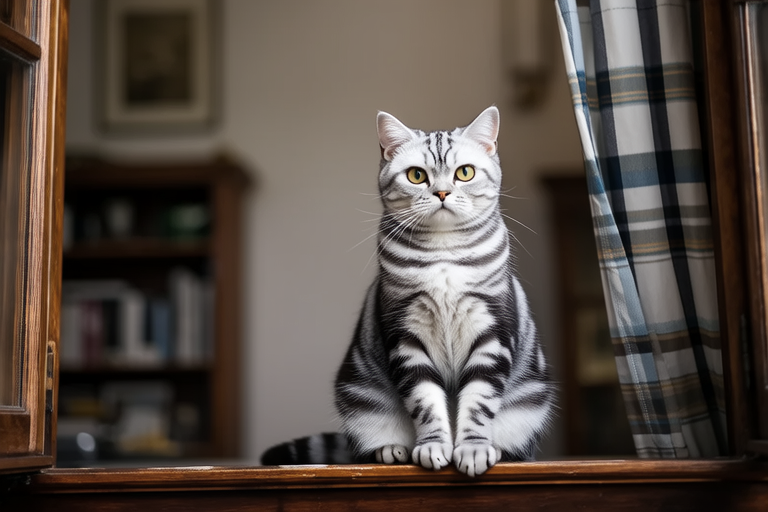
How the American Shorthair Became One of America’s Favorite Pets
The American Shorthair is a breed that has captured the hearts of many pet lovers across the United States. This cat has a rich history, evolving from its origins as a working cat to becoming one of America’s most beloved pets. This article delves into the breed’s historical origins, its evolution in America, notable characteristics that make it endearing to families, its role in pest control historically, its adaptation to modern households, popular culture mentions, and expert opinions on why it thrives as a pet.
Historical Origins
The American Shorthair traces its roots back to European cats that were brought over by early settlers to protect their crops and livestock from rodents. These hardy cats were essential companions for sailors and farmers alike, ensuring the safety of stored grains and preventing the spread of diseases carried by pests. Over time, these cats interbred with native felines, gradually developing into the robust and adaptable breed we recognize today.
Evolution in America
As America expanded westward, so did the presence of American Shorthairs. They accompanied pioneers on their journeys, serving as invaluable pest controllers. Their ability to thrive in various environments made them indispensable to settlers. In cities, they helped manage rodent populations, reducing health risks and preserving valuable resources.
The breed gained recognition in 1906 when it was officially recognized by the Cat Fanciers’ Association (CFA). Since then, selective breeding has refined the American Shorthair, enhancing its physical attributes while maintaining its inherent qualities. Today, it is one of the most popular cat breeds in the United States, cherished for its beauty and temperament.
Notable Characteristics
American Shorthairs are known for their muscular build, short, dense coats, and wide heads with expressive eyes. They come in a variety of colors and patterns, adding to their charm. Their calm and gentle nature makes them excellent companions for families with children or other pets. They are generally easygoing and adaptable, adjusting well to changes in their environment.
One of the most appealing traits of American Shorthairs is their intelligence and playfulness. They enjoy interactive toys and puzzles, which stimulate their minds and keep them engaged. Despite their playful demeanor, they are not overly demanding, making them ideal for busy households.
Role in Pest Control Historically
Before the advent of modern pest control methods, American Shorthairs played a crucial role in keeping rodent populations in check. Their sharp instincts and agile bodies allowed them to efficiently catch mice and rats, protecting food supplies and preventing disease outbreaks. Farmers and sailors relied heavily on these cats, recognizing their value as natural pest controllers.
In the 19th century, American Shorthairs were often kept in barns and stables, where they patrolled for vermin. Their presence ensured that grain stores remained safe from infestations, contributing significantly to agricultural productivity. Even today, some farms still maintain a few American Shorthairs for their pest control capabilities.
Adaptation to Modern Households
While American Shorthairs have adapted remarkably well to modern living conditions, they still retain many of their ancestral traits. They are independent yet affectionate, striking a balance between being self-sufficient and bonding closely with their human families. Their adaptability allows them to fit seamlessly into various household settings, whether it be an apartment or a spacious home.
Modern American Shorthairs enjoy the comforts of indoor living, but they also appreciate opportunities to explore outside under supervision. They tend to be more active during dawn and dusk, reflecting their heritage as hunters. Providing them with vertical spaces like shelves or cat trees can help satisfy their need for climbing and perching.
Popular Culture Mentions
American Shorthairs have made appearances in popular culture, further cementing their place in American society. They have been featured in literature, film, and television shows. For instance, in the classic children’s book series “The Berenstain Bears,” Sister Bear owns an American Shorthair named Honey. The breed’s portrayal in media helps raise awareness about its unique qualities and appeal.
Moreover, American Shorthairs have been showcased at prestigious cat shows, winning numerous awards for their appearance and temperament. Their consistent presence in such events highlights their significance within the feline community and contributes to their growing popularity among cat enthusiasts.
Expert Opinions
Veterinarians and animal behaviorists often praise American Shorthairs for their suitability as family pets. Dr. Emily Thompson, a veterinarian specializing in feline medicine, notes, “American Shorthairs are one of the best choices for families looking for a low-maintenance yet loving companion. Their even temperaments and minimal grooming needs make them ideal for households with young children.”
Behavioral expert Dr. Michael Davis adds, “What sets American Shorthairs apart is their ability to blend seamlessly into any home environment. They are not overly clingy but still form strong bonds with their owners. This balance makes them perfect for individuals who want a pet that will enrich their lives without requiring constant attention.”
Conclusion
The American Shorthair’s journey from a working cat to a cherished family member reflects its enduring appeal. Its historical contributions to pest control, combined with its adaptability and endearing personality, have solidified its position as one of America’s favorite pets. As more people discover the joys of owning an American Shorthair, it is likely that this breed will continue to grow in popularity, ensuring its place in American homes for generations to come.
