The Hidden World of Clownfish: What Owners Need to Know
Clownfish, with their vibrant colors and captivating behavior, have become one of the most popular choices for marine aquarium enthusiasts. Their striking appearance and relatively low maintenance requirements make them an ideal addition to many home aquariums. However, behind their playful demeanor lies a world rich with diversity, specific dietary needs, and complex environmental requirements that owners must understand to ensure their well-being. This article delves into the hidden world of clownfish, offering insights into their species diversity, natural habitat, dietary needs, tank setup requirements, common health issues, behavioral traits, and tips for maintaining a happy and healthy clownfish in a home aquarium.
Species Diversity
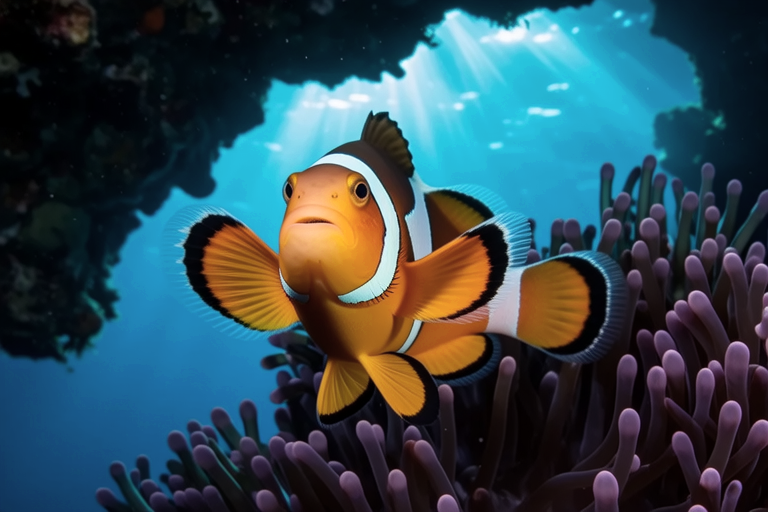
Clownfish belong to the genus Amphiprion, which consists of 30 recognized species. Each species exhibits unique color patterns and behaviors. For instance, the Ocellaris clownfish, also known as the false clownfish, boasts iconic white stripes against an orange body. The Percula clownfish, closely resembling the Ocellaris, features more pronounced black outlines around its stripes. Other species like the Maroon clownfish and the Tomato clownfish offer different shades of red and orange, making them visually distinct. Understanding the subtle differences between species can help potential owners choose the right clownfish for their aquarium.
Natural Habitat
In the wild, clownfish are found primarily in the shallow waters of coral reefs in the Indo-Pacific region. They form symbiotic relationships with sea anemones, which provide shelter and protection from predators. The clownfish’s unique mucus layer allows it to live among the stinging tentacles of the anemone without getting harmed. This symbiosis benefits both parties: the anemone gains nutrients from the clownfish’s waste, while the clownfish finds a safe haven. Replicating this environment in a home aquarium requires careful consideration of water parameters, filtration systems, and the presence of compatible tank mates.
Dietary Needs
Clownfish are omnivorous, meaning they consume both plant and animal matter. In the wild, their diet consists of algae, zooplankton, and small crustaceans. In captivity, a balanced diet should include a variety of foods such as high-quality flake food, frozen or freeze-dried brine shrimp, mysis shrimp, and spirulina-enriched pellets. It is essential to feed clownfish small amounts several times a day rather than large meals once daily. Overfeeding can lead to poor water quality and health issues. Additionally, providing occasional treats like live brine shrimp or fresh vegetables can enhance their diet and stimulate natural feeding behaviors.
Tank Setup Requirements
Creating an optimal living environment for clownfish involves careful planning and attention to detail. A minimum tank size of 30 gallons is recommended for a single clownfish, but larger tanks are preferable for multiple specimens. Clownfish thrive in tanks with ample hiding spots, such as caves, rocks, and live rock structures. These elements mimic their natural reef environment and promote stress-free behavior. Proper filtration is crucial to maintain clean water, and a protein skimmer is often necessary for saltwater setups. Regular water changes and monitoring of temperature, pH levels, and salinity are vital for the overall health of the aquarium.
Common Health Issues
Despite their hardiness, clownfish are susceptible to certain health problems if not properly cared for. One common issue is ich, a parasitic infection characterized by white spots on the fish’s body. Another prevalent condition is swim bladder disease, which affects the fish’s ability to maintain buoyancy. Both conditions can be treated with appropriate medications and adjustments to the tank environment. Regular observation and prompt action at the first sign of illness can prevent minor issues from becoming serious problems. Quarantine new additions to the tank for several weeks before introducing them to the main aquarium to avoid the spread of diseases.
Behavioral Traits
Clownfish exhibit fascinating behaviors that make them enjoyable to watch. They are generally peaceful and territorial, defending their chosen territory within the aquarium. Some species may display aggression towards other clownfish or similar-looking species, so it is advisable to introduce only one pair or a single individual per tank. Clownfish are also known for their parental instincts; they care for their eggs diligently, fanning them with their fins to ensure proper oxygenation. Observing these behaviors can be both educational and entertaining for aquarium owners.
Tips for Maintaining a Happy and Healthy Clownfish
To ensure your clownfish remains happy and healthy, consider the following tips:
- Provide ample hiding places: Ensure there are plenty of caves and rock structures for your clownfish to explore and feel secure.
- Monitor water quality: Regularly test and adjust water parameters to maintain optimal conditions for your fish.
- Offer varied diet: Feed a diverse range of foods to meet the nutritional needs of your clownfish.
- Introduce new fish carefully: Always quarantine new additions to prevent the introduction of diseases.
- Encourage natural behaviors: Provide live or frozen foods occasionally to stimulate natural feeding behaviors.
- Observe regularly: Keep an eye on your clownfish for any signs of distress or unusual behavior.
By understanding the unique characteristics and care requirements of clownfish, aquarium owners can provide a thriving environment for these delightful creatures. Whether you are a novice or an experienced aquarist, taking the time to learn about the hidden world of clownfish will enrich your experience and contribute to the well-being of your aquatic pets.
