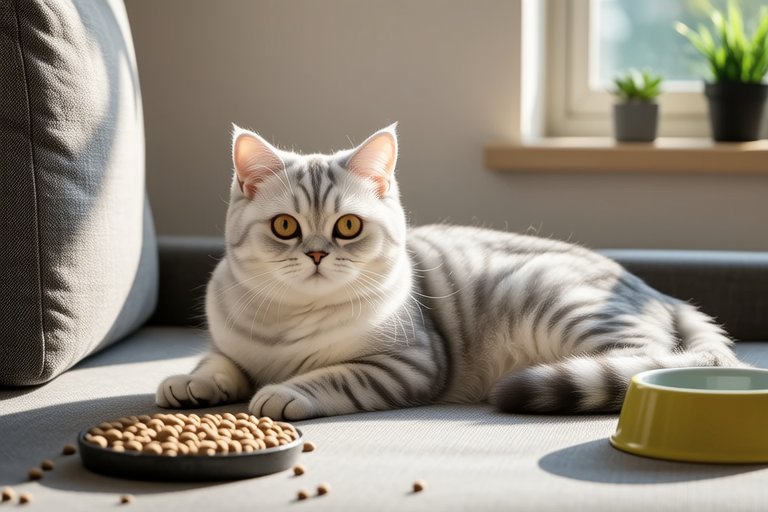
Adopting a Silver British Shorthair: Tips for First-Time Cat Owners
Welcome to the world of silver British shorthair cats! These beautiful felines have captured the hearts of many pet lovers with their striking appearance and gentle demeanor. With their plush, silvery coats and expressive green eyes, they are not only visually stunning but also known for their calm and affectionate nature. If you’re considering adopting a silver British shorthair, this guide will provide you with all the essential information and tips to ensure a smooth transition into cat parenthood.
Introduction: Popularity and Characteristics of Silver British Shorthairs
The silver British shorthair is a popular choice among cat enthusiasts due to its distinctive looks and amiable personality. Originating from Britain, these cats have been bred to maintain a robust and healthy physique. They are known for their muscular bodies, round faces, and dense, short fur that comes in various shades of silver. Their temperament is typically laid-back and friendly, making them excellent companions for families and individuals alike. However, like any other pet, they require proper care and attention to thrive.
Selecting the Right Breeder or Shelter
When adopting a silver British shorthair, it’s crucial to choose a reputable breeder or shelter. A good breeder will prioritize the health and well-being of their cats, providing a nurturing environment and ensuring that each cat receives appropriate medical care. They should be transparent about the breed’s history, health conditions, and any necessary vaccinations or treatments. If you opt for adoption from a shelter, inquire about the cat’s background, age, and any specific needs. Regardless of where you adopt your cat, make sure to meet the animal in person before finalizing the decision. This allows you to assess their behavior and compatibility with your family.
Grooming Needs
Silver British shorthairs have a thick, short coat that requires minimal grooming. Regular brushing once or twice a week can help remove loose hair and prevent matting. During shedding seasons, you may need to increase the frequency to manage excess fur. Bathing is generally unnecessary unless the cat gets particularly dirty, as their natural oils are beneficial for their skin and coat. Additionally, keep their nails trimmed to avoid discomfort for both you and your cat. Regular dental care is also important to maintain their oral hygiene and overall health.
Dietary Requirements
A balanced diet is vital for the health and longevity of your silver British shorthair. High-quality commercial cat food, either wet or dry, formulated for their age and activity level is recommended. Consult with your veterinarian to determine the appropriate portion sizes and feeding schedule. Avoid feeding them human food, especially those containing harmful ingredients like chocolate, onions, or garlic. Fresh water should always be available to keep them hydrated. Consider incorporating occasional treats as rewards during training sessions, but ensure they do not compromise the main diet.
Common Health Issues
While silver British shorthairs are generally healthy, they can be prone to certain genetic conditions. Hypertrophic cardiomyopathy (HCM), a heart disease, is one such issue. Regular veterinary check-ups can help detect early signs and manage the condition effectively. Polycystic kidney disease (PKD) is another concern, characterized by the growth of cysts in the kidneys. Genetic testing can identify carriers and affected cats, aiding in preventive measures. Other common health issues include obesity and dental problems, which can be mitigated through proper diet and regular dental care. Always consult your vet if you notice any unusual symptoms or changes in behavior.
Cat-Proofing Your Home
To ensure a safe living environment for your silver British shorthair, take steps to cat-proof your home. Secure windows with screens to prevent accidental falls or escapes. Install childproof latches on cabinets and drawers containing hazardous substances. Keep electrical cords out of reach to avoid chewing or electrical hazards. Remove small objects that could be swallowed, such as buttons or rubber bands. Provide ample vertical space with shelves, cat trees, or window perches to satisfy their climbing instincts. Creating a secure outdoor enclosure can also allow them to enjoy fresh air while remaining protected.
Basic Training Techniques
Training your silver British shorthair can enhance their behavior and strengthen the bond between you. Positive reinforcement, using treats and praise, is highly effective. Teach them basic commands like ‘come,’ ‘sit,’ and ‘stay’ by rewarding desired behaviors consistently. Encourage scratching on appropriate surfaces, such as scratching posts, by placing them near areas where they tend to scratch furniture. Redirect unwanted behaviors gently and offer alternatives. Patience and consistency are key in establishing routines and expectations.
Socializing Your New Cat
Socialization plays a crucial role in shaping your cat’s behavior and confidence. Introduce your silver British shorthair gradually to different environments, people, and animals. Start with familiar surroundings and gradually expand their exposure. Encourage gentle interactions with visitors and other pets under supervision. Provide opportunities for play and exploration to stimulate their senses and develop social skills. Establish a routine that includes playtime, cuddling, and interactive toys to foster trust and companionship.
Conclusion: Resources for Further Learning and Support
Adopting a silver British shorthair is an exciting journey filled with love and companionship. By following these tips, you’ll be well-prepared to provide a happy and healthy life for your new furry friend. For further learning and support, consider joining local cat clubs or online forums where fellow cat owners share experiences and advice. Many veterinarians offer educational materials and workshops on cat care. Remember, every cat is unique, so tailor your approach based on your pet’s individual needs and preferences. Enjoy the wonderful adventure of being a cat parent!
